

Woman Says Boyfriend Wants a Prenup, Then Rachel Cruze Hears His Salary: 'Get off Your High Horse'
Exploring the implications of keeping finances separate in marriage
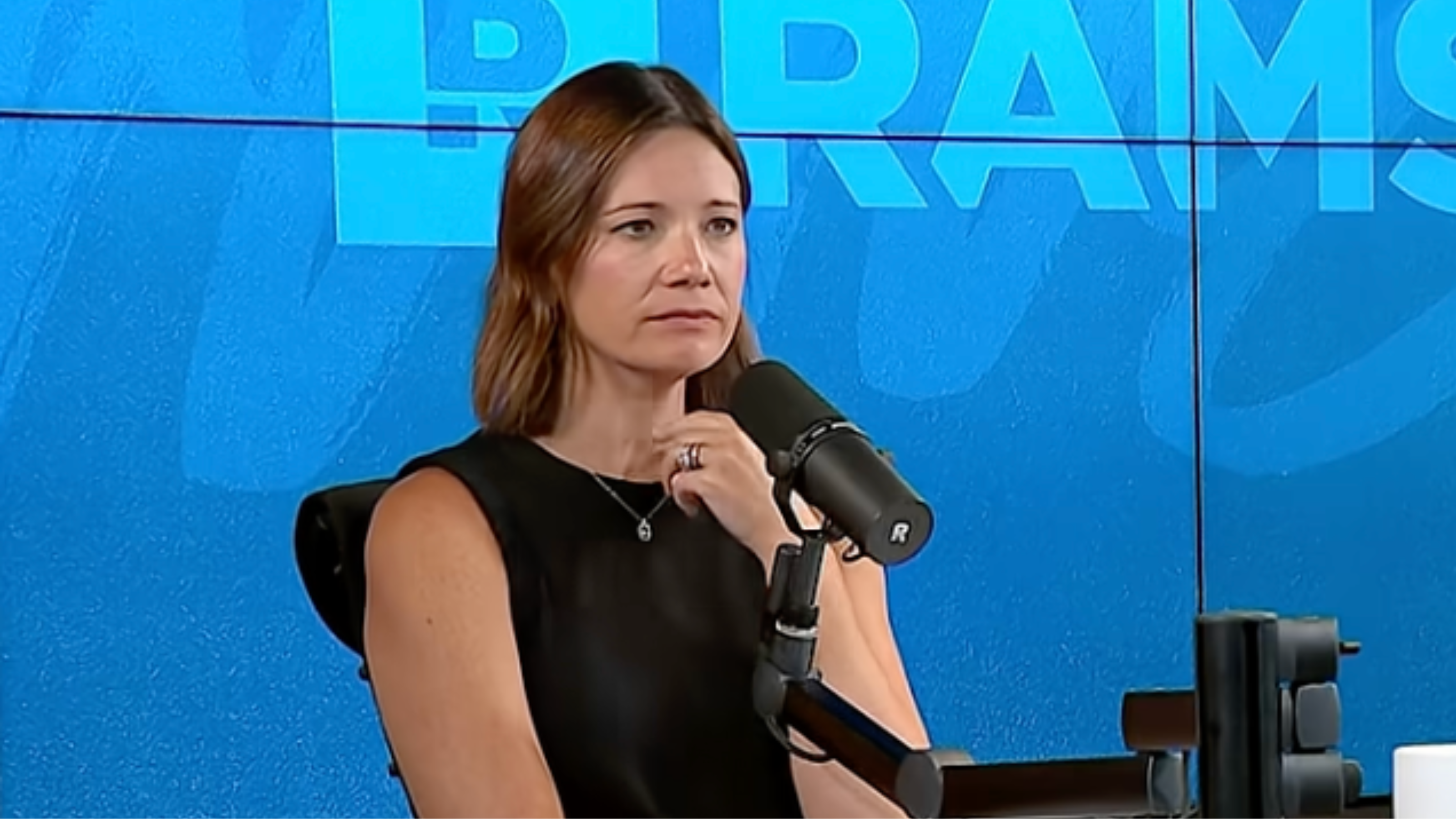
A two-minute clip from The Ramsey Show has reignited one of personal finance's oldest arguments: when two people marry, whose money is it?
At the centre of the exchange was Shelby, a caller about a year into her relationship and starting to weigh up marriage. Her boyfriend, an Australian who had just bought his first house, earns around $85,000 (£63,600) a year. That is a little over double her own income of roughly $30,000 (£22,400). He had raised the idea of a prenup and told her he wanted their money kept completely separate, even after a wedding.
Shelby's worry was not the prenup itself. It was what sat behind it.
'I just feel not secure,' she told hosts Rachel Cruze and George Kamel, explaining that her partner did not believe their earnings would ever become shared. As she described it, he saw the house and the salary as his, with marriage offering her little more than the chance to live there at a discount.
That framing did not land well.
Why Rachel Cruze Pushed Back on the Prenup
Cruze, a bestselling personal finance author and the daughter of personal finance expert Dave Ramsey, did not soften her response. She questioned why a man earning below six figures was casting himself as the household's financial authority. 'You're not even making six figures, dude,' she said. 'Get off your high horse.'
Her broader point was about what a marriage is supposed to be. 'You guys are about to share a bed,' Cruze said. 'You're going to have kids and share genetics that are running around in front of you like you're sharing every other part of your life.' Kamel added the line that travelled furthest online: 'And yet you have to Venmo him for Outback Steakhouse?'
Kamel, a financial commentator and author at Ramsey Solutions, said he had misjudged the situation completely. 'I thought this guy was a multimillionaire,' he admitted, having pictured a surgeon pulling in around half a million dollars (£374,000) a year rather than a man on $85,000. He then raised the question the setup seemed designed to avoid: 'What happens if you make more than him later on? Do you get control of the board?'
It was not an idle worry. Shelby said her boyfriend's job was physically demanding and that she could well out-earn him over time. The current arrangement, she conceded, left her fearing she would resent him if their fortunes ever flipped.
What the Separate Finances Debate Reveals
Cruze's verdict was blunt. Treating a marriage as two sealed ledgers, she argued, makes it 'a business relationship, not a romantic partnership.' Yet the boyfriend's instinct is far from rare, and that is what lifts the clip above a simple viral spat.
Most couples in committed relationships now keep at least some money in their own name. Around 62% do, according to a 2026 survey from Bankrate, and the divide grows sharply with age.
Among Gen Z, 51% keep their finances entirely separate, against just 15% of baby boomers. Households on lower incomes lean the same way, with 39% of couples earning under $50,000 (£37,400) a year keeping everything apart.
The motives tend to repeat: protecting independence, dodging arguments over spending, or shielding oneself from a partner's debt. A prenuptial agreement does something narrower. It sets out what each person brings into a marriage and how those assets are divided if it ends, rather than dictating how a couple runs its money day to day.
Cruze's objection was never that separate accounts exist. It was that this particular arrangement looked less like joint planning and more like one partner keeping score before the marriage had even begun. 'You're already going into scorekeeping,' she told Shelby, 'and you're not even married yet.'
For Shelby, the maths was never really the issue. A prenup can ring-fence a house and a salary. What it cannot settle is whether two people walking into a marriage truly see their future as shared, or merely running side by side.
© Copyright IBTimes 2026. All rights reserved.