

Delta Flight Emergency Landing After Squawk 7700 Distress Signal as Medical Emergency Unfolds at 36,000 Feet
Passengers reached Tel Aviv around three hours behind schedule
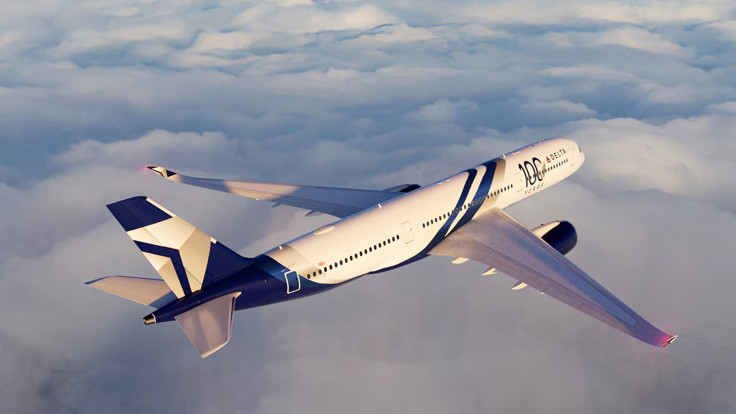
A transatlantic Delta Air Lines flight bound for Tel Aviv was forced into an emergency diversion after crews declared a general emergency at cruising altitude, triggering international aviation protocols and prompting a high-risk landing while the aircraft was still carrying heavy fuel. The incident, involving Delta flight 234 from New York to Israel, has drawn attention to how airlines respond to medical emergencies in the air and the pressures faced by flight crews when time is critical.
Emergency Declared Mid-Atlantic
Delta flight 234 departed John F. Kennedy International Airport in New York just before 4:00 p.m. local time on 2 February, operating an Airbus A330 900 on a scheduled transatlantic service to Ben Gurion International Airport near Tel Aviv.
However, according to aviation news outlet AirLive, about four hours into the journey, while cruising at approximately 36,000 feet, the flight crew transmitted a squawk 7700 distress signal, the standard code used to alert air traffic control to a general emergency.
The aircraft was flying between Ireland and the United Kingdom at the time. After the distress signal was issued, air traffic controllers prioritised the flight and coordinated an urgent diversion. The aircraft turned back over the Irish Sea and headed for Dublin, where emergency services were placed on standby.
What Squawk 7700 Means for Passengers
In aviation, a squawk 7700 is used to indicate any serious situation requiring immediate assistance. It can cover mechanical or technical faults as well as medical emergencies onboard. Once the code is transmitted, controllers clear airspace where possible and prepare runways and ground teams for an emergency landing.
Aviation experts note that the code is often misunderstood by passengers tracking flights online. While it signals a serious issue, it does not automatically mean the aircraft is in imminent danger. In this case, the emergency was linked to a serious medical situation involving one of the people onboard.
Heavyweight Landing Adds to the Risk
Because the diversion occurred relatively early in the transatlantic crossing, the aircraft was still carrying a large volume of fuel. According to aviation monitoring reports, the crew had to land despite the plane exceeding its maximum structural landing weight. This is known as a heavyweight or overweight landing and can place additional stress on the landing gear and aircraft structure.
In some situations, aircraft may dump fuel or remain airborne to burn off fuel before landing. However, in medical emergencies, pilots may decide that landing as soon as possible is the safest option. Industry guidance prioritises passenger health over operational considerations when time is a factor.
Medical Response in Dublin
A Delta spokesperson confirmed to People that the flight landed safely in Dublin following the onboard medical emergency. Medical personnel met the aircraft on arrival and attended to the affected passenger. The airline did not disclose further details about the individual's condition, citing privacy considerations.
After the medical situation was addressed and checks were completed, the aircraft was cleared to continue its journey. Delta said the flight later resumed its route to Tel Aviv.
Impact on Passengers and Schedule
There were 158 customers onboard at the time of the diversion. The unscheduled stop resulted in a delay of around three hours to the planned arrival in Israel. The flight eventually landed in Tel Aviv at approximately 12:10 p.m. local time.
In-flight medical emergencies are among the most common causes of unscheduled diversions on long-haul routes. Airlines train crews to manage such incidents, but the combination of a squawk 7700 distress signal, a medical emergency and a heavyweight landing underlines the complexity of decisions made at 36,000 feet.
© Copyright IBTimes 2026. All rights reserved.