

Disney Hit With Multi-Million Dollar Lawsuit Over Claims Families Were Scanned at Parks Without Clear Consent
Disney's park entry technology under fire for alleged biometric data collection without clear consent
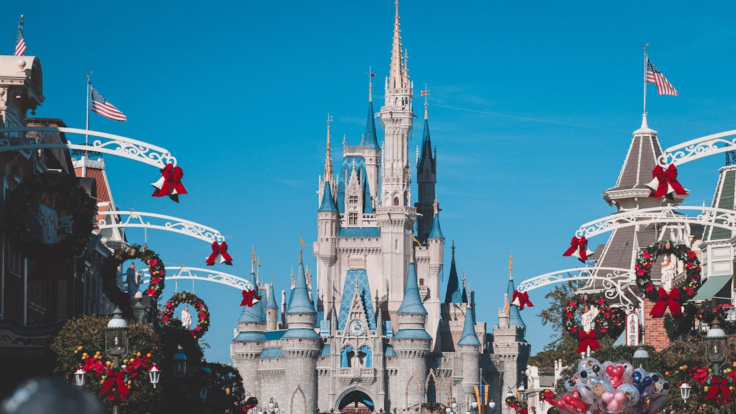
For millions of families, a trip to Disney is supposed to be about magical memories, beloved characters and escaping reality for a day. But a new lawsuit is threatening to cast a shadow over that image after allegations emerged that visitors, including children, may have had their faces scanned without fully understanding what was happening.
The legal battle centres on Disney's park entrance technology, which plaintiffs claim collected biometric information without obtaining clear and informed consent. Now, the entertainment giant finds itself facing a potentially costly class action lawsuit that has reignited a growing debate about privacy in the digital age.
Disney's Entrance Under Scrutiny
The controversy revolves around Disney's newer park entry process, which reportedly uses facial recognition style technology to verify guests entering certain attractions and locations.
According to the lawsuit, the system photographs visitors and converts facial features into biometric measurements. Plaintiffs argue that many guests were unaware of the extent of the data collection because information about the process was not presented prominently enough.
The complaint alleges that visitors were not actively asked to participate. Instead, families were expected to notice small signs explaining how to avoid the scanning lanes if they wished to opt out.
Critics argue that this approach places the burden on visitors rather than requiring Disney to obtain clear permission beforehand. In legal filings, plaintiffs claim this effectively reverses the traditional understanding of consent by making participation the default option rather than a voluntary choice.
The allegations have sparked concern because biometric information is considered highly sensitive. Unlike a password, a person's facial characteristics cannot simply be changed if data is compromised.
Why the Lawsuit Focuses on Children
The lawsuit claims that children visiting Disney parks may have been scanned through the same entry system used for adults. This has intensified public concern because privacy laws often provide additional protections for minors.
Parents involved in the legal action argue that they were not given sufficient information to make informed decisions regarding their children's biometric data. They contend that many families were focused on entering the park and enjoying their holiday rather than analysing signage positioned near entrance points.
Privacy advocates say the issue highlights a broader challenge facing modern technology. As biometric systems become increasingly common in airports, stadiums and entertainment venues, questions about informed consent continue to grow.
Across the world, businesses and organisations are adopting systems that can identify or verify individuals through facial features, fingerprints and other biological markers. Supporters argue these tools improve convenience, reduce fraud and streamline customer experiences.
However, critics warn that many people do not fully understand how much information is being collected or how long that data may be retained.
While the full details of Disney's legal defence have yet to emerge, the dispute is likely to focus heavily on whether visitors received adequate notice and whether the consent process met legal standards.
The lawsuit's outcome could have consequences far beyond Disney's parks. A ruling in favour of the plaintiffs may encourage greater scrutiny of biometric systems used throughout the entertainment industry and beyond.
© Copyright IBTimes 2026. All rights reserved.