

30 US States Now Suing Dollar General Over Allegedly Charging Shoppers More at Checkout Than Advertised
The FTC says the retailer received more than 29,000 complaints about prices ringing up higher than advertised, while Dollar General denies deliberately disregarding customers
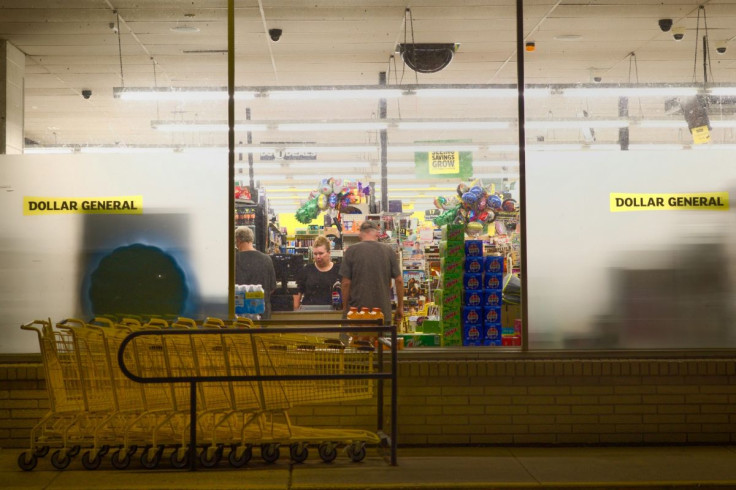
Thirty US states are now parties to the Dollar General lawsuit following an amended federal complaint filed in Tennessee on 20 November 2026. The Federal Trade Commission (FTC) alleges the discount retailer repeatedly charged shoppers more at checkout than advertised.
The news came after the FTC and 20 states initially sued Dollar General on 26 October 2026. Regulators allege the retailer failed to introduce adequate safeguards against overcharging despite repeated consumer complaints, failed inspections and previous enforcement actions.
The FTC alleges that the pricing practices cost American shoppers millions of dollars. Dollar General has challenged the allegations, rejecting suggestions that it deliberately disregarded customers' financial needs.
Dollar General Lawsuit Expands to 30 States Over Checkout Pricing
According to the FTC's announcement, Delaware, Georgia, Kentucky, Maine, Minnesota, New Mexico, Oregon, Rhode Island, South Carolina and South Dakota have joined the proceedings.
The original participants were Alabama, Arizona, Arkansas, California, Connecticut, Florida, Illinois, Iowa, Kansas, Louisiana, Michigan, Mississippi, Nebraska, New Jersey, North Carolina, Ohio, Oklahoma, Tennessee, Utah and Wisconsin.
The amended federal complaint alleges that Dollar General received at least 29,265 complaints categorised as 'Did Not Honor Marked Price' between 1 January 2023 and 31 March 2026.
Those complaints came from all 48 states where the retailer operates. They represent reported pricing discrepancies rather than individually proven violations.
According to the complaint, an Ohio shopper reported in August 2023 that milk advertised at $3.95 (£3.02) cost $4.25 (£3.25) at checkout.
The court filing also details government inspections. In Wisconsin, inspectors recorded overcharges on 662 of 7,344 products scanned in 2023, representing 9 per cent of the sample. Overcharged items cost an average of 17 per cent more than advertised, according to the complaint.
Regulators also identified nine pricing-related settlements with eight state enforcement authorities between 2019 and 2026. Payments under those agreements, which were separate from the current proceedings, exceeded $13 million (£9.93 million).
The FTC argues that inaccurate prices disproportionately affect low-income and rural households that rely on affordable everyday necessities.
Could the Dollar General Lawsuit Lead to Customer Refunds?
Several participating states are seeking consumer restitution, alongside civil penalties and permanent court orders addressing the alleged pricing practices.
The lawsuit alleges violations of the Federal Trade Commission Act, the Gramm-Leach-Bliley Act and various state consumer protection laws.
Dollar General, meanwhile, has defended its pricing policies and commitment to affordable shopping. In an updated statement issued on 20 November, the company acknowledged that occasional discrepancies can occur.
'Our goal is 100 per cent accuracy between shelf and register prices in every store,' the retailer said.
In a regulatory filing, Dollar General said it had cooperated with the FTC since early February 2026 following a civil investigative demand dated 30 January.
The company also confirmed receiving a draft federal complaint and proposed settlement order on 23 September 2026, before the original lawsuit was filed.
The amended complaint remains before the US District Court for the Middle District of Tennessee. The allegations have not been adjudicated.
The FTC's published case records list the proceedings as pending, with no customer refund programme or eligibility criteria announced in those records.
© Copyright IBTimes 2026. All rights reserved.