Prichard Colón Dies at 33 After 11 Years of Severe Brain Injury as 'Euthanasia' Claims Spread
Prichard Colón's injury influenced boxing safety measures as unverified claims surround his death
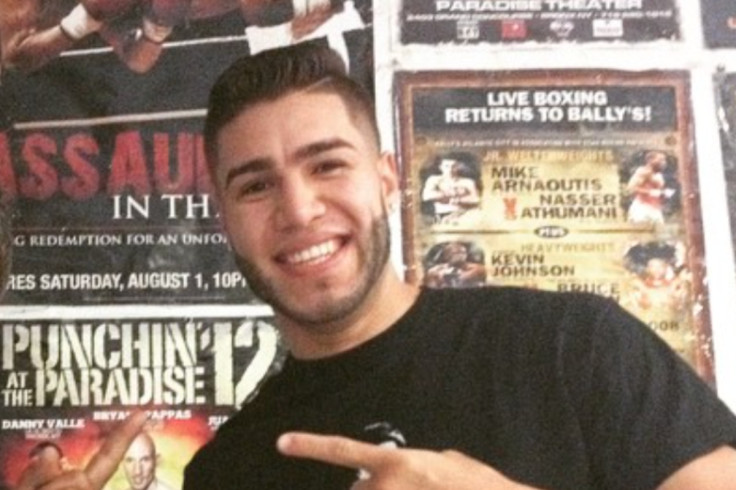
Former professional boxer Prichard Colón has died at the age of 33, nearly 11 years after suffering a severe brain injury during a 2015 fight that ended his professional career.
Colón's father, Richard, confirmed that his son had died on 13 August 2026. The Puerto Rican boxer spent 221 days in a coma before waking with severe and permanent neurological damage and requiring extensive care from his family for the years that followed.
His death has since been accompanied by unverified social media claims that he was euthanised because of the demands of his long-term care. There is no evidence supporting the allegation, while an official cause of death has not been publicly released. The claims have added another element to renewed attention on Colón's life after the injury and the boxing safety measures associated with his case.
Euthanasia Claims Remain Unverified
Some social media users have speculated that Colón was euthanised because of his condition following news of his death. Available reporting confirms that he remained under long-term family care before his death, but does not establish euthanasia as a cause or circumstance of his passing.
We're deeply saddened to learn of the passing of Prichard Colón at the age of 33.
— Boxing News (@BoxingNewsED) August 13, 2026
The Puerto Rican warrior suffered a subdural hematoma following his 2015 bout with Terrel Williams.
Colón spent 221 days in a coma. After awakening, he was cared for by his family for the rest of… pic.twitter.com/vjeeKHFBJ7
The World Boxing Organization paid tribute to Colón following the announcement, describing his courage and fighting spirit as having extended beyond the ring.
Colón's family had remained closely involved in his care since the injury. The WBC previously said his mother, Nieves Meléndez, helped with his care and rehabilitation and later recognised Colón as an honorary champion.
Yo creo que lo matxron pq se aburrieron de cuidarlo como un bebé, pq con ese estado con muchos cuidados puedo durar mucho más, pero la gente se cansa, aunque sus familiares lo amen querrán también vivir sus vidas...
— Anny (@anny_star2) August 13, 2026
The lack of an officially released cause of death means the circumstances surrounding his passing remain unclear.
WBC Introduces Colón Rule
Colón's case became associated with efforts to enforce boxing's existing prohibition on rabbit punches more strictly.
In 2020, the WBC urged referees to adopt a zero-tolerance approach and referred to its directive as the 'Prichard Colón Rule.' The guidance allows referees to warn fighters, deduct points or disqualify them for offences involving punches behind the head.
The WBC said the approach was intended to reduce the risk of serious injuries associated with rabbit punches and had previously cited Colón's case as an example of their potential consequences.
The safety measures became part of the legacy of an injury that ended Colón's professional career while he was still an undefeated prospect.
The 2015 Fight and Colón's Injury
Colón entered his 17 October 2015 bout against Terrel Williams in Fairfax, Virginia, with an undefeated 16-0 record and 13 knockouts. He was regarded as a promising prospect before the fight ended his career.
During the bout, Colón complained about repeated blows to the back of his head, known in boxing as rabbit punches. Such strikes are prohibited because blows to the lower back of the head and neck can cause severe neurological injuries.
Colón was unable to answer the bell for the 10th round. His corner mistakenly removed his gloves after the ninth round, and he was subsequently disqualified. His professional record ultimately stood at 16-1.
He later collapsed in the dressing room and was taken to hospital, where he underwent emergency surgery for bleeding on the brain. He remained in a coma for 221 days before regaining consciousness with severe and permanent neurological injuries.
The injury left Colón dependent on long-term care and brought lasting attention to the risks associated with illegal blows in boxing.
© Copyright IBTimes 2026. All rights reserved.
- Recommended For You