

Elon Musk Warns 2028 Democratic Sweep Means 'End of Democracy' and a Permanent One-Party US State
A billionaire's warning about America's political future collides with election results and a challenge from Mark Cuban
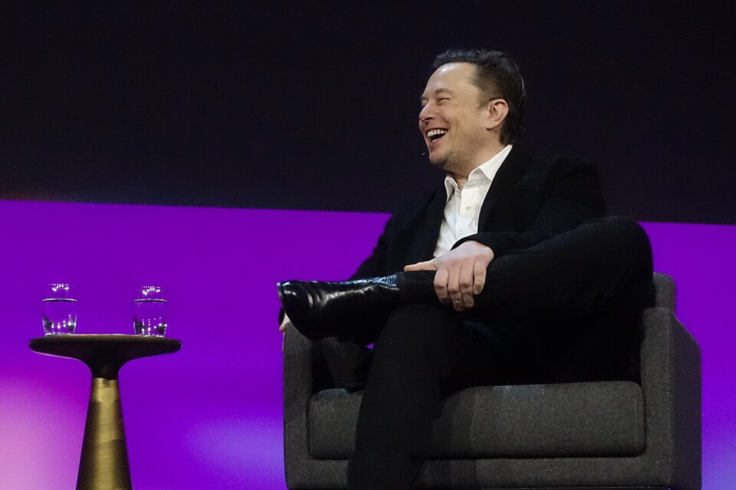
Elon Musk's warning that a Democratic sweep in 2028 could end American democracy has gained new significance after Democrats won control of both houses of Congress in the US midterm elections on Tuesday, 3 November.
The billionaire made his prediction four days earlier, urging voters to elect Republican senators.
The result, confirmed by the Associated Press, will give Democrats control of Congress when newly elected lawmakers take office in January. President Donald Trump remains in the White House, however, and the 2028 presidential election has yet to take place.
In an X post on 30 October, Musk predicted that Democrats could reshape the political system if they captured the presidency, the House, and the Senate in 2028. He claimed that would bring 'the end of democracy in any meaningful sense of the word'.
My biggest concern is that if there is a clean sweep by Democrats of the House, Senate and Presidency in 2028, they will:
— Elon Musk (@elonmusk) October 30, 2026
1. Make DC and Puerto Rico states to gain a strong majority in the Senate.
2. Open the borders and legalize everyone living in America illegally to cement…
Elon Musk's Warning Takes on New Meaning After Midterm Defeat
The Tesla and SpaceX chief described three changes he believed Democrats would pursue. He claimed they would grant statehood to Washington, DC, and Puerto Rico to gain Senate seats, liberalise immigration rules to secure political support and increase the number of Supreme Court justices.
Musk argued that Republicans needed at least 51 Senate seats in 2029 to prevent those changes. His post was an election appeal built around possible future decisions, not proof that Democratic leaders had agreed to pursue them.
The scale of the Democrats' latest victory makes his intervention particularly striking. According to the Associated Press, the party gained ground in traditionally Republican states, including Texas, Kansas and South Carolina. Voter frustration over living costs, the Iran war and concerns about government corruption helped shape the contest.
Still, winning Congress in 2026 is not the same as winning the presidency in 2028. Nor would the election of senators from any newly admitted state guarantee their future party affiliations.
What Elon Musk's Predictions Leave Out About Democratic Policies
Some Democrats have supported elements of the changes Musk criticised. On 13 October, former Vice President Kamala Harris said on the Baby, This Is Keke Palmer podcast that she favoured expanding the Supreme Court. She also backed statehood for Washington, DC, and Puerto Rico if residents wanted it.
House Minority Leader Hakeem Jeffries took a different position when questioned about the Supreme Court in August. He called for stronger judicial ethics oversight but stopped short of endorsing an increase in justices.

President Trump has also opposed the ideas. In a 21 April social media post, he criticised Democratic strategist James Carville over proposals involving new states and 13 Supreme Court justices. Trump warned that the changes could give Democrats an advantage for a century.
Musk's immigration claim requires another distinction. The Democratic National Committee's published position supports secure borders and fair enforcement, rather than the unrestricted-border policy Musk described.
Granting someone lawful immigration status also does not automatically confer voting rights. USAGov says noncitizens, including permanent residents, cannot vote in federal elections. That rule complicates Musk's claim that legalisation would itself cement a permanent electoral majority.
Mark Cuban Challenges Elon Musk's One-Party State Prediction
Businessman Mark Cuban disputed the idea that the proposed changes would secure lasting Democratic rule. Replying to Musk on X, he said he opposed the measures but argued that independent voters could punish Democrats for attempting them.
I’m against all of these.
— Mark Cuban (@mcuban) October 30, 2026
The new force in politics and elections is independents.
The fact independents are NOT an organized party, means we can individually do what we think is right, without regard to party politics. That is a force we have not seen before. And it is… https://t.co/wqdianWiPF
'Pushing these would backfire on Democrats,' Cuban wrote. His response challenged Musk's electoral forecast without supporting the policies under discussion.
University of Kentucky political scientist D. Stephen Voss also questioned Musk's portrayal of immigration policy. He told Newsweek that Democrats had not advocated opening the borders or granting widespread amnesty. Support for statehood proposals among mainstream congressional Democrats, he said, remained uncertain.
Musk made a similar prediction in 2024, when he suggested that a victory by then-Vice President Harris would threaten the competitiveness of elections. After Tuesday's result, Democrats are preparing to exercise congressional power during the final two years of Trump's presidency. Whether the party pursues any of the changes Musk fears remains a separate political question.
© Copyright IBTimes 2026. All rights reserved.