

Supply of ACs and Fans Reportedly Running Low in UK as Another Heatwave Sparks Buying Frenzy
Currys reports unprecedented demand for fans and air conditioners as UK braces for another heatwave.
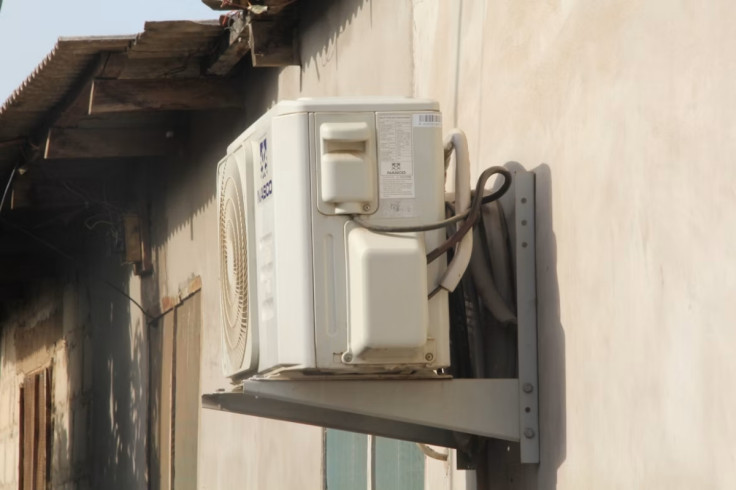
Air conditioners and electric fans are reportedly running low across the UK as retailers race to replenish stock ahead of another forecast heatwave. Currys said supplies of cooling products are now 'pretty tight' after demand surged during England's record June temperatures, with shoppers snapping up fans and portable air conditioning units at an unprecedented pace.
The warning comes after the latest spell of hot weather triggered a sharp spike in demand for cooling appliances, leaving retailers scrambling to secure fresh stock before temperatures are expected to climb again next week.
Currys Says Cooling Products Are 'Flying Off The Shelves'
Alex Baldock, chief executive of Currys, said cooling products had been 'flying off the shelves' during June's heatwave. Sales of electric fans surged by nearly 3,000% over the most recent heatwave weekend compared with the previous week, while sales of air conditioning units jumped 330%.
Although the retailer has been working to replenish inventory, Baldock acknowledged that supplies remain under pressure. 'We are working incredibly hard to make sure we have got a healthy level of stock,' he said, adding that supplies were 'pretty tight.'
Baldock said Currys' position as the UK's largest electrical retailer had helped it manage the surge in demand.
'We are benefiting from being number one in the market and if anyone is going to have it we are going to have it,' he said.
The retailer also reported a 3% increase in sales across established UK stores despite weakness in the consumer electronics market. Growth was supported by expansion into categories including coffee machines and AI-powered laptops, alongside stronger repair, installation and small business services.
Demand has also been boosted by the ongoing football World Cup, with customers spending more on products linked to watching matches and entertaining at home.
Rising Demand as Another Heatwave Looms
The UK is bracing for another heatwave just days after England recorded its hottest June on record, with forecasters expecting temperatures to climb steadily from 5 July before peaking at around 34°C in parts of southern and southeastern England later in the week.
The Met Office said a high-pressure system moving in from the Azores is set to bring prolonged sunshine, dry conditions and light winds across much of England and Wales, while the UK Health Security Agency has issued Yellow Heat Health Alerts for several regions until 11 July, warning that the hot weather could place additional pressure on health and social care services.
Although meteorologists expect this spell to be less intense than the record-breaking heat seen in late June, the sustained high temperatures are forecast to meet official heatwave criteria in many areas, prompting a fresh rush among shoppers to buy cooling appliances such as fans and portable air conditioners.
Deadly Heatwave Continues in Europe
Despite the UK escaping the widespread fatalities seen elsewhere in Europe so far, health experts continue to warn that prolonged hot weather can have serious consequences even when temperatures are lower than those recorded on the continent.
During recent heatwaves, emergency services have responded to a rise in heat-related illnesses, while firefighters have dealt with more grass and wildfires sparked by dry conditions. Across Europe, the latest extreme heat has proved far more deadly.
French authorities have reported more than 2,000 excess deaths linked to the recent heatwave, with older adults accounting for the majority of fatalities, while hospitals across several countries have treated thousands of people for dehydration, heat exhaustion and other heat-related conditions. Public health specialists say these events highlight how periods of sustained high temperatures are becoming an increasing health risk, even in countries where extreme heat was once considered relatively uncommon.
© Copyright IBTimes 2026. All rights reserved.