

Why Did a TUI Flight to Malaga Turn Back? Here's What We Know About Flight BY2786 and Passenger Rights
Exploring the reasons behind TUI flight BY2786's return and the implications for affected passengers
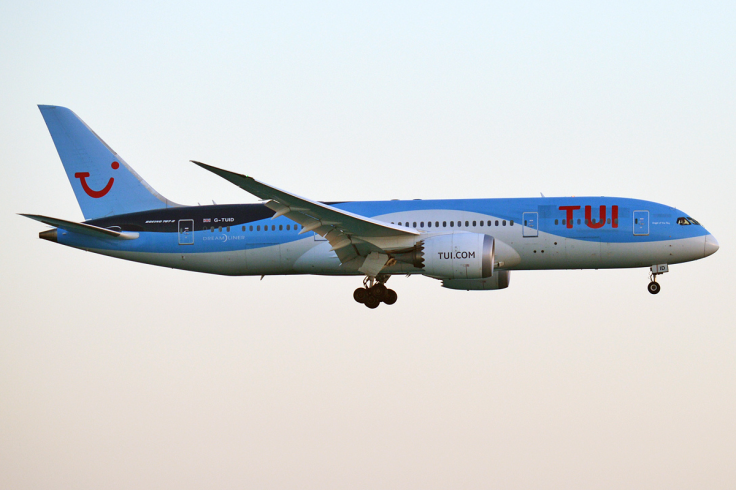
A TUI Airways Boeing 787-8 Dreamliner flying holidaymakers from Manchester to Malaga abandoned its journey on Sunday 19 July 2026 and turned back near the western coast of France, with flight BY2786 landing safely back at Manchester Airport around two hours and 20 minutes after take-off and no injuries reported.
The aircraft, registration G-TUIP, left Manchester's runway 05L at about 7.45am BST, bound for Spain's Costa del Sol on what should have been a routine three-hour flight.
Flight-tracking data shows the 12-year-old Dreamliner climbing normally to around 41,000 feet, crossing the English Channel and heading south over the Atlantic off France before the crew reversed course. The plane taxied to the terminal under its own power and passengers disembarked via the usual gates.
What We Actually Know So Far
Aviation sites including AIRLIVE noted the turnback and described 'operational indications' of a possible technical issue, though neither the outlet nor TUI cited official confirmation of a specific fault.
Publicly available data confirms only a handful of hard facts: the date, flight number, route, aircraft type, the turnaround near France and the safe landing back in Manchester. There is no evidence of a mayday call, emergency landing, runway closure or serious injury.
Pilots can choose to return to base for reasons that never make headlines, including a cockpit warning, an issue with a non-critical system, a cabin problem, a medical situation, or an operational concern easier to assess at the airline's home base.
A mid-air U-turn looks dramatic on a map, but does not automatically mean the aircraft was in immediate danger. TUI had not released a detailed public statement on the incident at the time of writing.
Knock-On Effects For Holidaymakers
BY2786 was part of a standard rotation, with the Dreamliner scheduled to arrive in Malaga before turning around as the return service to Manchester later that day. Because G-TUIP never reached Spain, both legs of that rotation were thrown out of sync.
Flight-status feeds initially flagged BY2786 as cancelled, then indicated another TUI aircraft, reportedly a Boeing 737-800, had been lined up to operate a replacement service.
For passengers on the original Dreamliner, it meant more than two hours in the air only to end up back where they started, with hotel check-ins, car hire and transfers disrupted.
Travellers already waiting in Malaga for the inbound aircraft faced an aircraft shortage and the usual knock-on effect on crew duty times, slots and baggage handling.
What Passenger Rights Apply Under UK261
Because the flight departed from Manchester, affected customers fall under the UK's retained air-passenger regulations, known as UK261. There are two separate considerations: care and assistance on the day, and possible compensation later.
If a flight is significantly delayed or cancelled, airlines generally must provide reasonable food and drink, a way to communicate, and hotel accommodation if an overnight stay becomes necessary.
Where that support is not provided directly, passengers can pay for what they reasonably need, keep receipts, and later ask the airline to reimburse the costs.
Compensation is separate. Fixed compensation may be payable when a short-notice cancellation or long delay is within the airline's control and arrival at the destination is at least three hours late.
Whether any cash is due will depend on how TUI formally categorises the disruption, when passengers eventually arrived in Malaga, and whether the airline argues 'extraordinary circumstances' apply.
The UK Civil Aviation Authority advises passengers to submit claims directly to the airline first, then consider approved dispute-resolution schemes if the case is not resolved.
For now, the central facts are simple: BY2786 left Manchester for Malaga, turned back near France, and landed safely where it started. What exactly went wrong, and who will be compensated, remains unclear.
© Copyright IBTimes 2026. All rights reserved.