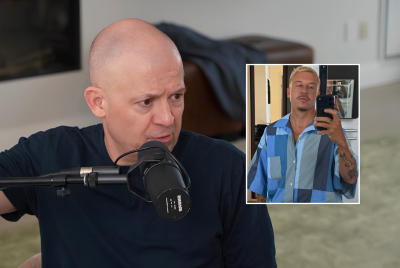
Martina McBride, the Commodores, and Morris Day All Pull Out of Trump's Freedom 250 Concert
From a nostalgic celebration to a political storm, the Freedom 250 lineup unravels as artists exit over claims of miscommunication and Trump-linked associations.
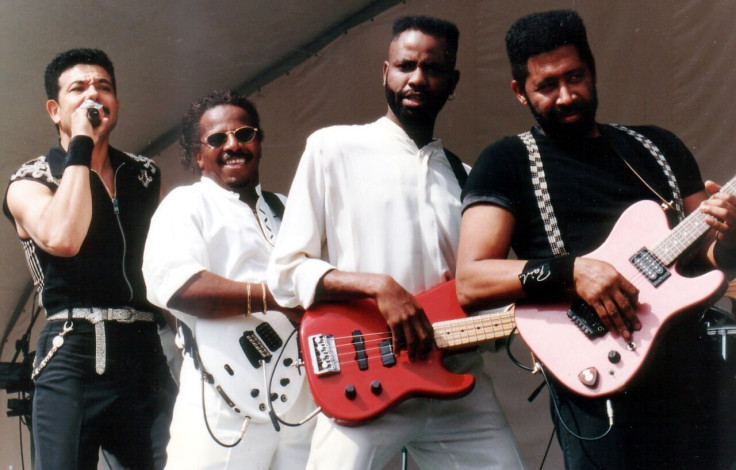
The Freedom 250 concert controversy has erupted into a full-blown entertainment firestorm after a wave of major artists abruptly pulled out of what was meant to be a patriotic celebration in Washington, D.C., with claims emerging that some were never fully aware of its political ties.
What was pitched as a nostalgic, star-studded retro concert series has now spiralled into accusations, confusion, and last-minute exits from big names including Martina McBride, The Commodores, and Morris Day.
And the question everyone is now asking is uncomfortable... were they misled?
Behind The Scenes
Behind the scenes, tension reportedly began building only days after the Freedom 250 lineup was announced.
Artists and fans alike started digging into the event's background, and that's when things allegedly took a turn.
While organisers publicly promoted the series as a nonpartisan celebration tied to America's 250th anniversary, backlash quickly erupted online after reports linked the event to a Donald J. Trump-founded initiative.
That single detail changed everything.
Suddenly, what had looked like a harmless nostalgia tour was being described across social media as a backlash against a Trump-linked concert series, and the pressure started building almost instantly.
One by one, artists began stepping away.
First Domino Falls, Then Everything Unravels
The Commodores were among the first major acts to confirm their exit.
In a social media statement, the group made it clear they would not be participating, stressing that their music has always been about unity, not political alignment. The message was calm, measured... but unmistakable in tone.
Then came Morris Day, who posted a brief but definitive message confirming that his act would not be performing at the event. No long explanation. No political language. Just a firm 'no'.
And then Young MC followed, stating directly that he had informed his team he would not be performing after learning more about the event's reported political associations.
That's when the story stopped being a scheduling issue and became something much bigger.
A pattern.
A protest.
Or something else entirely?
Artists are already pulling out of the Trump-backed 250th US anniversary concert
— The Independent (@Independent) May 28, 2026
‘It’s a no for me,’ said one musician
Read more: https://t.co/bg8DGPTHv0 pic.twitter.com/Yl2yhk90K5
Martina McBride and The Widening Fallout
As more names were added to the list of withdrawals, including Martina McBride, speculation exploded online about what artists were told before signing on.
Was this truly a nonpartisan celebration, or a politically branded event wrapped in patriotic packaging?
That question has now become the centre of the Freedom 250 artist withdrawals, with fans split between disappointment, outrage, and disbelief.
And on social media, the reactions have been relentless.
Some accuse the artists of overreacting.
Others say they were intentionally kept in the dark.
Neither side is backing down.
Martina McBride, Morris Day among wave of cancellations at Trump-linked Freedom 250 concerts https://t.co/U3WZba5I9c
— The Associated Press (@AP) May 29, 2026
The Confusion Behind The Curtain
Adding even more fuel to the chaos is the strange uncertainty surrounding some of the legacy acts still associated with the lineup.
In the case of the Commodores, only one original member remains, raising questions about how modern touring versions of iconic bands are being represented in major national events.
But the real confusion comes from acts like Milli Vanilli and C+C Music Factory, where internal disputes and conflicting claims about who actually has the right to perform under those names have spilt into public view.
At one point, Freedom Williams, associated with C+C Music Factory, posted an emotional, profanity-laced video addressing backlash from fans, while Robert Clivillés, a co-founder of the group, publicly pushed back, disavowing any authority to represent the brand in that context.
What should have been a simple concert lineup suddenly looked like a legal and identity minefield.
'Nonpartisan' or Not? The Debate Explodes
Organisers have insisted the Freedom 250 events are nonpartisan, framing them as part of a broader national celebration leading up to America's 250th anniversary.
But critics aren't convinced.
The involvement of politically connected figures and the growing perception of alignment with Donald J. Trump have intensified debate over whether a truly nonpartisan concert can even exist in Washington, D.C., in today's climate.
And now, with multiple artists walking away, that question is no longer theoretical.
It's unfolding in real time.
What Happens Next
With high-profile exits stacking up and public pressure mounting, the Freedom 250 series now faces a very different kind of spotlight than it expected.
Instead of headlines about nostalgia and celebration, it's now dominated by cancellation notices, fan outrage, and political speculation.
And the biggest mystery remains unanswered.
Did the artists misunderstand what they were signing up for... or did the event change once the backlash began?
Either way, the fallout is already reshaping the conversation around artists' withdrawal from political events, and the entertainment industry is watching closely.
Because if one thing is clear, it's this...
This story is far from over.
© Copyright IBTimes 2026. All rights reserved.
- Recommended For You