

The Future of Contactless Transport in UK Smart Cities
Exploring the Role of Data and Technology in Shaping Smarter Urban Transport Systems
The world is changing at an incredible rate, and the big driver behind this change is how we collect and use data. Take our cities, for example: millions of people living in urban areas need to travel within the city for economic growth, each producing their own subset of data every day.
Cue all of those people travelling at once on suboptimal public transport networks, and you end up with one thing: bottlenecks. But surely there is a way to manage this?
Enter the rise of the smart city
As our urban populations increase, expectations for convenience grow in tandem. Transport networks are put under pressure to become faster, more efficient, easier to use, and somehow, not overcrowded.
Thankfully, technology and data collection will come to the rescue for our urban centres of industry and business, but how exactly will this come to pass?
From integrated ticketing systems to real-time travel information, technology is beginning to shape how our cities operate, with a central focus on making public transport systems smarter, more connected, and removing friction from our journeys.
For city planners, transport operators and tech providers, the question is no longer whether digital transformation will influence transport, but how quickly it can be implemented into our daily lives, at scale.
Let's take a look at the solutions that could well be making your city smarter already.
Contactless Travel Payments
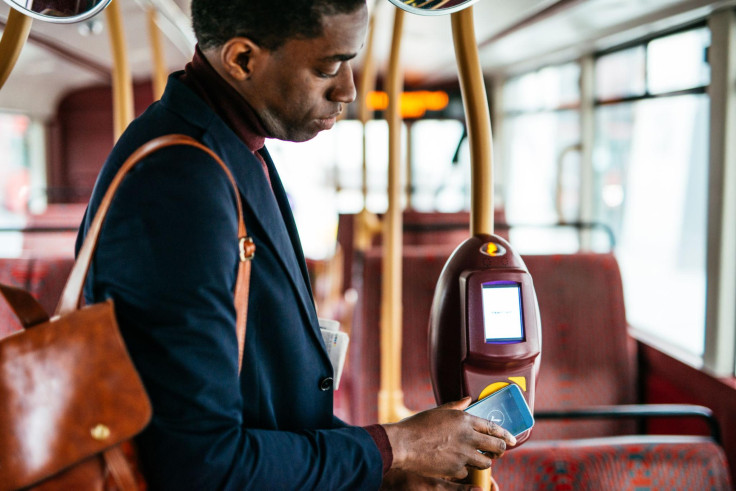
One of the biggest developments in modern transport has been the adoption of tap-and-go payment systems. Instead of relying on paper ticketing systems, cash transactions, separate travel cards, and long-winded procedures for paying, a simple tap of a bank card or mobile device will do.
This shift towards contactless transport has been a long time in the making; it's not exactly a new sight to many of us. However, the speed and ease with which these systems now operate is a thing to behold. Solutions such as contactless EMV payments mean that passengers can pay with absolute ease, and they no longer need to carry extra tickets or concession passes, or worry about receipts.
There is no need to seek the best deal across multiple apps thanks to fare-capping systems, and travellers don't need to worry about season passes or rail cards. Everything is managed by a system that tracks your usage and tailors a personal service just for you.
The UK as a whole has become a leader in contactless travel adoption, embracing this way of thinking and ensuring that approximately 96% of buses in the country are equipped with contactless payment systems. These systems remove tens of thousands of seconds every day, all over the network for millions of commuters; it's easy to see how positive these figures are for efficiency.
The Rise of Connected Cities
The future of smart cities depends entirely on connectivity. Different services need to work together seamlessly, and transport is a key element in any city's network. It holds influence over everything, from economic activity to environmental performance.
Not only will a connected transport network help to reduce congestion and provide more reliable journeys for passengers, but it will also increase usability and accessibility.
By using smarter urban mobility solutions, cities can remove cars from the road whilst still offering residents and commuters the ability to move seamlessly through every stage of their journey.
Part of the problem with a train or bus transport system is that it's very fixed in its format. It can only go where it is intended to go. These systems move a huge number of people from A to Z, but what if you need to go past S but not to T?
Travellers are left with a 'journey gap' most of the time, as they still have to go from the train station or bus stop to their end destination. For decision makers, this means one thing: public transport is no longer about simply building infrastructure.
It's about creating ecosystems that adapt to changes, expand to meet future demands, and also allow people to travel with flexibility. The future of travel within a city surely lies in the arms of personal devices that are small, transportable, adaptable, and can go anywhere. Think e–scooters, e-bikes, personal taxi systems and any other micro-mobility solution available. The current problem is that these systems are on offer within a city, but they require a different payment method or app, restricting their usability, efficiency and accessibility.
A truly connected city will help its inhabitants make every stage of their journey, from front door to office, all on one unified system.
Data & Urban Planning
As we know, data has become one of the most valuable resources available to city planners and will likely influence all plans going forward.
Technology in cities is becoming increasingly important as the main method to utilise that data and maximise an urban area's efficiency. By understanding travel patterns, congestion points, and passenger behaviour, better decisions can be made about infrastructure and services.
Sensors, connected devices, traffic monitoring systems, and GPS location services can all contribute to powerful data sets that would previously have been impossible to acquire.
Now, with the right systems in place, cities can respond in real time to traffic issues, emergencies, and overly busy transport services.
They can improve timetables, identify areas requiring additional services and create better connections between new and different modes of transport.
A great example of how tech is already being used to create smart cities is in personal vehicle parking systems. Small sensors installed in parking spots around a city can detect a car's presence, or lack thereof, and notify users of a space before directing them to it. This sounds simple, but could achieve a staggering 30% reduction in inner-city traffic simply by helping drivers find somewhere to park.
There is, however, a catch. As cities become more connected and more populated and generate more data, maintaining public trust around privacy and responsible data use will become essential.
The importance of Trust & Data
As technology improves and creates significant opportunities for progression, smart cities must be developed around people, not around harvesting data.
Data collection is already a growing issue and city-wide data collection systems are in great danger of being abused by the powers that be. It is essential that data privacy becomes a part ofdeveloping smart cities; otherwise, we are at risk of autocratic-style power plays within the industry.
Public confidence around data collection and digital systems will influence adoption, and we know that data collection is crucial in advancing smart city development; thus, there has to be some kind of equilibrium achieved where our policymakers and the authorities in control are not abusing the data that is developed by a city's inhabitants.
The cities that succeed will be those that can work together with a trusted network, crunch the right data, and wield the power in the right way. For the better of the people, not the better of advertising agencies.
What Comes Next for UK Smart Cities?
Automation, connectivity, personalisation, and sustainability are all in the future for the UK's smart cities; however, infrastructure, policy, and flexibility are all needed to make any system work properly.
Contactless payments are just a small part of what can be achieved in a wider transformation. Seamless journeys will rely upon business and public sector leaders investing in digital transport solutions as a strategic priority.
Cities that embrace innovation and transparency will be far better positioned to support economic growth, improve urban quality of life, and meet future challenges. The future of smart cities is a bright and exciting one, but it will require responsible planning and support from the tech sector to realise its full potential.
Building Smarter & More Connected journeys
The transition towards the smart cities of the future is already well underway; contactless payments, data-driven planning and connected infrastructure systems are changing how people traverse cities. But we have a long way to go. The challenge for the UK's cities, as it is with many cities around the world, is ensuring that technology is implemented in a way that is accessible, practical, inclusive, and beneficial to everyone.
As our urban environments continue to evolve and become more and more populated, success stories will not simply involve new technologies. Instead, the story needs to speak of advancement through data, sustainability through technology, and more connected journeys brought about by data analysis and forward planning.
The cities that use innovation for the people within their urban areas, and the people who rely on them day in and day out, will be the true success stories.
© Copyright IBTimes 2026. All rights reserved.