From Packed Hospitals to Decreased Productivity: The Hidden Toll of the UK's Extreme Heat
As temperatures soar, the UK prepares for health risks and economic disruptions

An Amber Alert has been issued by the Met Office, as the UK is set to possibly experience a record-breaking heat index of up to 38°C (100F), and the aftermath goes well beyond discomfort.
@metoffice ⚠️🔴 Red weather warning issued 🔴⚠️ An exceptional spell of hot and humid weather is expected across parts of central / southern England and Wales, with impacts to general population highly likely. Wednesday 0900 - Thursday 2100 Please keep across the latest warnings and forecast via our YouTube channel, website and app. #UKHeatwave #ExtremeHeat #UKWeather #RedWarning
♬ How You Like Me Now - The Heavy
The prolonged heat announced for the upcoming week poses health risks that may have already happened in a similar case earlier this year.
According to the National Health Service (NHS) England, the Accident and Emergency (A&E) Department saw an all-time high of 2.45 million patients in May 2026, the highest ever for that month.
At the time, officials attributed the sudden spike to the month's heatwave, with Professor Francesca Swords, National Medical Director for the NHS, stating: 'A&E staff bore the brunt of the heatwave in May, as the hot weather took its toll on the public.'
Prof Liz Bentley of The Royal Meteorological Society confirms the similarities between last month's heatwave pattern and the upcoming one, explaining that it's 'due to a high-pressure system where the air aloft descends and is compressed, leading to significant warming.'

A report done by the BMJ in 2025, which states that 90% of NHS Buildings in England are prone to overheating, also raises concerns about whether hospitals are prepared to accommodate patients comfortably during the upcoming heatwave.

Aside from the facilities themselves, ambulances also face mountainous pressure as 832,089 incidents were recorded in last month's heatwave.
Economic Effects of the Heatwave
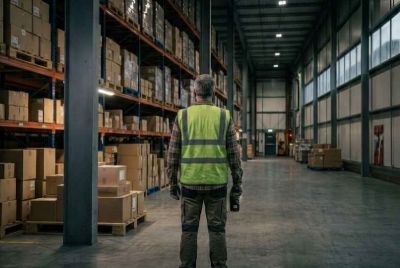
The looming 38°C weather can also disrupt the workforce and reduce the overall productivity of citizens from the UK. It's especially alarming for more physically demanding professions, where heat stress is most likely to occur.
Getting from home to work and vice versa will also pose a challenge during the heatwave, as several rail operators have already issued warnings regarding changes to their services over the coming days.

For instance, Great Western Railway released a statement on its website explaining that severe heat causes its railways to expand, forcing operators to drive the trains more slowly to avoid buckling.
GWR reaffirms that there will be 'fewer trains and slightly longer journey times during the warmest periods of each day'. On top of that, operators advise citizens to expect delays, while pre-booked rides may also be moved.
NHS Shares Several Ways to Cope With The Heat

For now, the NHS is urging citizens to stay indoors, especially during the peak hours. Additionally, homeowners are encouraged to keep their windows open, wear loose-fitting clothes, and stay hydrated, recommending 1.5 to 2 litres of water per day.
Heading to the waterfronts is also recommended, but experts discourage citizens from jumping directly into the water, as it could lead to cold shocks.
National Water Safety Partner from the Royal National Lifeboat Institution, Samantha Hughes, stated, 'With warmer weather approaching, it's important to remember that the water is still cold. Entering it unexpectedly can lead to cold water shock, causing a sudden increase in breathing and heart rate, which may trigger panic.'
Is the Heatwave Still Ignorable?
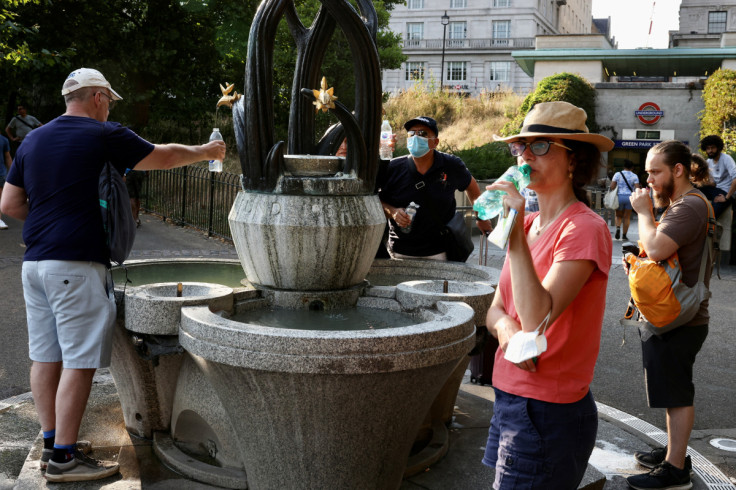
The consequences of Britain's heatwaves are becoming increasingly difficult to ignore. From overcrowded emergency rooms to heat stress and delayed transportation, they're starting to seep into basic aspects of daily life.
Is it time to accept heatwaves as part of the UK's summers? If so, the ball is in the court of policymakers to make sure the country's healthcare, infrastructure, and transportation systems are well-prepared.
© Copyright IBTimes 2026. All rights reserved.
- Recommended For You