UK Heatwave to Worsen Dramatically: Brits May Sleep Outside And Groceries Become Unaffordable for Most in 2052
Projections indicate rising temperatures may impact housing, health, and infrastructure
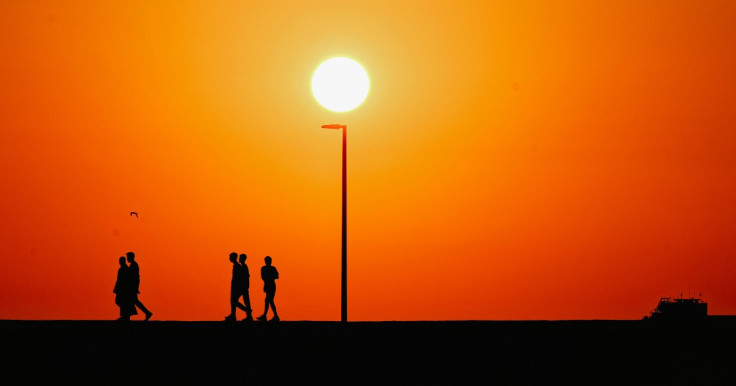
Climate analysis highlighted that the United Kingdom could face more frequent and prolonged extreme summer heatwaves by 2052, with scientists warning that continued warming trends may significantly intensify conditions across the country.
A recent commentary outlines potential long-term impacts of rising temperatures on housing, infrastructure, public health, and essential services in the UK.
The analysis forms part of wider discussions on climate adaptation and mitigation, drawing on established scientific projections that indicate a continued increase in the frequency and intensity of heatwaves across Europe, including the United Kingdom.
Increased Frequency Of Extreme Heat Events
The commentary suggests that heatwaves comparable to recent record-breaking summers could become more common in future decades. While such projections depend heavily on emissions trajectories and policy responses, climate models consistently indicate a warming trend that is likely to affect seasonal temperature patterns.
In scenarios where extreme heat becomes prolonged and recurrent, indoor temperatures in many UK homes, particularly older housing stock and urban flats, could remain elevated for extended periods.
During peak heat events, this may make some properties difficult to inhabit safely throughout the day and night, particularly where ventilation is limited and cooling systems are not available or affordable.
As a result, periods of extreme heat could increasingly shift daily behaviour, with households seeking alternative ways to cope during the hottest nights, including spending extended time outdoors or in cooler public spaces when indoor conditions become intolerable.
Potential Pressures On Food And Water Systems
The analysis also highlights possible risks to water availability during prolonged dry spells, particularly if periods of low rainfall coincide with sustained high temperatures. Although the UK currently maintains a stable water supply infrastructure, climate variability may increase pressure on regional systems during peak demand in the summer months.
Agricultural output may also be affected by more frequent and intense heatwaves. Higher temperatures, soil moisture loss, and irregular rainfall patterns can reduce crop yields and increase the cost of production. Over time, these pressures may feed into higher food prices across supply chains, particularly for heat-sensitive crops and imported goods affected by global climate conditions.
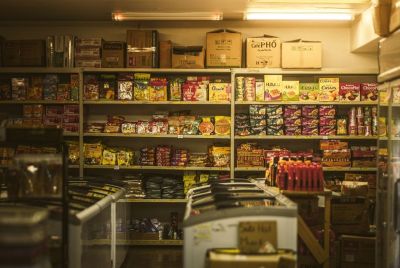
This combination of domestic and international supply pressures could contribute to sustained increases in grocery prices, placing additional strain on household budgets, particularly among lower and middle-income families.
Health and Infrastructure Considerations
Public health impacts remain a key concern in climate projections. Heat-related illnesses, including dehydration and heatstroke, are expected to become more common during extreme temperature events, particularly among older people, young children, and those with underlying health conditions.
Transport infrastructure may also require adaptation. Rail networks are vulnerable to heat-related expansion of materials, while road surfaces can soften or deform under prolonged high temperatures. These conditions may lead to increased maintenance requirements and occasional disruption across transport networks during peak summer heatwaves.
Long-Term Adaptation Outlook
While the scenarios described are not immediate forecasts, they reflect a broader scientific consensus that the UK is likely to experience significantly warmer summers and more frequent heat extremes in the coming decades.
Policy discussions continue to focus on adaptation measures, including heat-resilient building design, improved ventilation standards, expanded urban cooling strategies, and strengthened water resource management, alongside long-term efforts to reduce greenhouse gas emissions.
© Copyright IBTimes 2026. All rights reserved.
- Recommended For You