

Mark Cuban Now Fights for $20 Minimum Wage for Employees, Says It's 'Smart'
Mark Cuban says his employees must have access to equity ownership in his companies

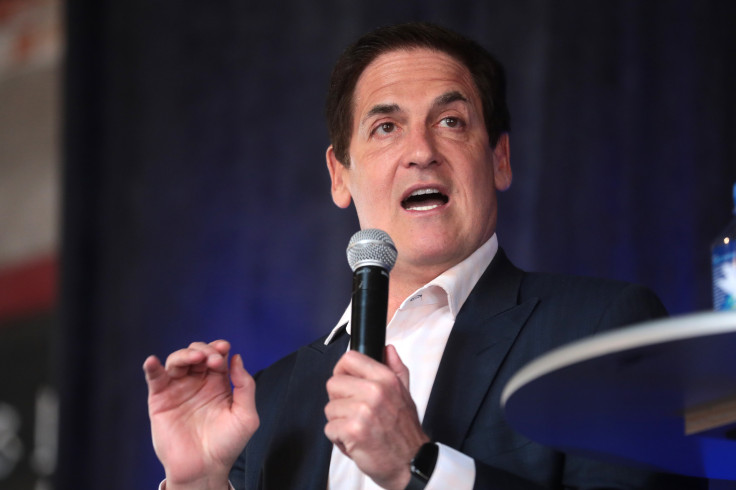
Shark Tank's Mark Cuban is known for his successful business ventures over the past few decades. His top business transaction was the sale of Broadcast.com to Yahoo! for $5.7 billion during the height of the dot-com bubble.
The billionaire's business philosophy is based on the belief that employees are happier and are more effective when they hold equity ownership in the company. He believes that your chances of success increase by many folds when you give your employees access to company ownership.
'If you remember what I said about Broadcast.com, when we sold the company, out of 330 employees, 300 own shares of stock and became millionaires,' Cuban had stated in a podcast earlier. When Yahoo acquired Broadcast.com for $5.7 billion, more than 90% of employees held equity, meaning the payout extended beyond senior management.
More recently in June, Cuban reignited the debate of employee finances. He said in an X post that raising the minimum wage to $20 per hour is the 'smart' choice for businesses as well as taxpayers. His view stems from a personal experience during his time as the majority owner of the Dallas Mavericks.
He recalled being embarrassed after discovering that some full-time employees working at the team's arena were heavily relying on government assistance programmes just to get by every month. Instead of accepting that reality for his employees, Cuban immediately approved raises for every hourly employee and their managers.
What about all the entrepreneurs that risked everything and failed ?
— Mark Cuban (@mcuban) June 20, 2026
Or the ones that are grinding it out, trying to build a business ? You know, the ones that create more than 60 pct of the new jobs in this country.
The more successful they are, the more you hate them?… https://t.co/qg3qdzmuUg
The billionaire entrepreneur believes that no employee working full-time for one of his businesses should have to rely on public assistance simply to cover living expenses. He reiterated his stance that a $20 hourly minimum wage is a practical benchmark for many employers, even if it exceeds current federal standards.
While the federal minimum wage has remained unchanged at $7.25 per hour since 2009, many states and cities have enacted much higher wage floors in recent years.
Low Wages Ultimately Cost Taxpayers
For Cuban, the issue extends beyond employee compensation. He argues that when big companies pay wages so low that workers qualify for programmes like Medicaid or food assistance, taxpayers effectively subsidise those companies' labor costs.
'All of us pay for the fact that you're not paying that person enough,' Cuban has said earlier, while adding that businesses should bear the responsibility of providing livable wages instead of shifting those costs onto public assistance programmes.
The billionaire has also said that there are 'greedy, blood sucking business people that will do anything for a dollar' while employees struggle financially, but there are still entrepreneurs and business who could afford meaningful wage increases if they accepted slightly lower profit margins or adjusted shareholder expectations.
Cuban has suggested that investors would ultimately benefit from a healthier, more productive workforce with lower turnover and higher morale. Better-paid employees are often more engaged, more loyal, and less likely to leave, reducing hiring and training costs over time.
Several states now require employers to pay well above the federal minimum, and some industries—including California's large fast-food chains—have already adopted $20-per-hour minimum wages. Supporters argue higher wages help workers keep pace with rising housing, healthcare, and food costs, while critics warn they could increase operating expenses for businesses or reduce hiring.
Cuban's stance also reflects a broader philosophy about capitalism. Cuban has long argued that successful businesses should create value not only for shareholders but also for employees and the communities in which they operate. Raising wages, he believes, strengthens the economy by putting more money into workers' pockets, increasing consumer spending, and reducing the burden on taxpayers.
© Copyright IBTimes 2026. All rights reserved.