

53 Incoming House Democrats Snub Harvard Orientation Over Grad Students' Strike to 'Never Cross a Picket Line'
Incoming lawmakers refuse to cross picket line as Harvard graduate workers strike
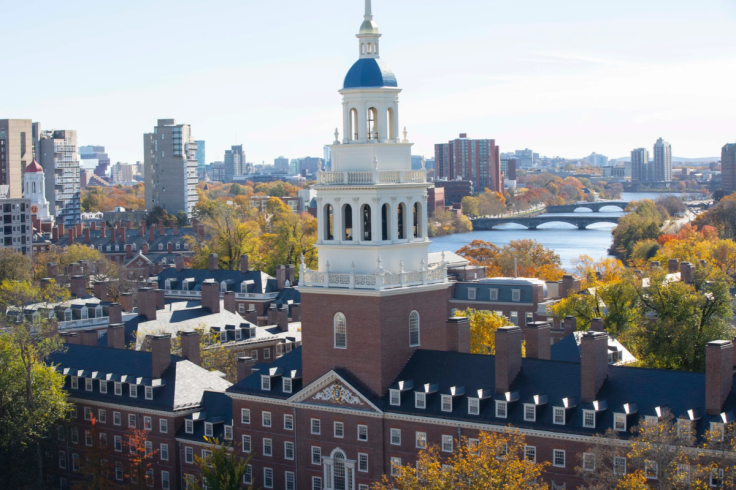
Fifty-three incoming House Democrats have snubbed a prestigious Harvard University orientation programme, refusing to attend unless the university reaches an agreement with striking graduate student workers.
The newly elected lawmakers say they will not cross a union picket line to participate in the December event, turning a longstanding congressional tradition into a high-profile show of support for university employees demanding better pay and workplace protections.
The boycott puts pressure on one of America's wealthiest universities as thousands of graduate student workers continue their strike over contract negotiations. The lawmakers have also challenged Harvard to address workers' concerns before welcoming the incoming congressional class to its Kennedy School.
Why 53 House Democrats Are Boycotting Harvard
In a letter sent to Harvard administrators on Tuesday, 24 November, the 53 Democrats said they would not attend the Bipartisan Program for Newly Elected Members of Congress while the labour dispute remained unresolved.
The programme, organised by Harvard's Institute of Politics at the Kennedy School, is scheduled for 6 to 8 December and has welcomed more than 800 members of Congress since its establishment in 1972.
The lawmakers said attending would require them to cross a picket line formed by members of the Harvard Graduate Students Union (HGSU-UAW Local 5118).
'While we appreciate the invitation to Harvard's Institute of Politics, we will not cross a picket line,' they wrote. 'So long as these workers are on strike, any trip we take to Harvard would be to stand in solidarity with our striking union siblings.'
The Democrats also urged university administrators to negotiate in good faith and reach a fair contract with the workers before the orientation begins.
Harvard Graduate Students Strike
The Harvard graduate students' strike began on 27 October after prolonged contract negotiations between the university and HGSU-UAW, which represents approximately 4,500 student workers.
The union is seeking improved wages and benefits, stronger protections for international workers, and an independent process for handling workplace harassment and discrimination complaints. The dispute follows more than 20 months of negotiations, with the union arguing that some graduate student workers earn as little as $26,300 (£20,066) annually.
Harvard Academic Workers (HAW-UAW), a separate union representing non-tenure-track academic employees, also staged a week-long strike earlier in November while negotiating its first contract.
However, those workers subsequently voted to return to work after Harvard increased its proposed salary rise to 7 per cent. The graduate student union remains on strike.
Democrats Challenge Harvard Over $68 Billion Fortune
Three incoming lawmakers, Sam Forstag of Montana, Clare Valdez of New York and Bob Brooks of Pennsylvania, have also publicly explained their decision to support the striking workers.
In a social media video, Forstag highlighted demands for basic workplace protections, safeguards against harassment and discrimination, and a cost-of-living increase that would bring some workers' annual pay to $50,000 (£38,000). He also questioned why Harvard had not reached an agreement with employees despite its reported $68 billion (£52 billion) endowment.
'Harvard has an endowment of $68 billion; they can afford to pay people a living wage. Our brothers and sisters there deserve a fair contract,' Forstag said. He added that if he and other incoming lawmakers travelled to Harvard in December, they would join workers on the picket line rather than attend the orientation.
Valdez echoed that position, writing on social media that the incoming freshman class stood with working people and supported demands for living wages, workplace protections and dignity on the job.
© Copyright IBTimes 2026. All rights reserved.