

Texas US Attorney Aaron Reitz Draws Ethics Complaint Over Warning Letters To Democratic Lawmakers
Aaron Reitz says his record-preservation letters defend private citizens' rights, while Democrats and legal scholars accuse him of trying to chill congressional investigations
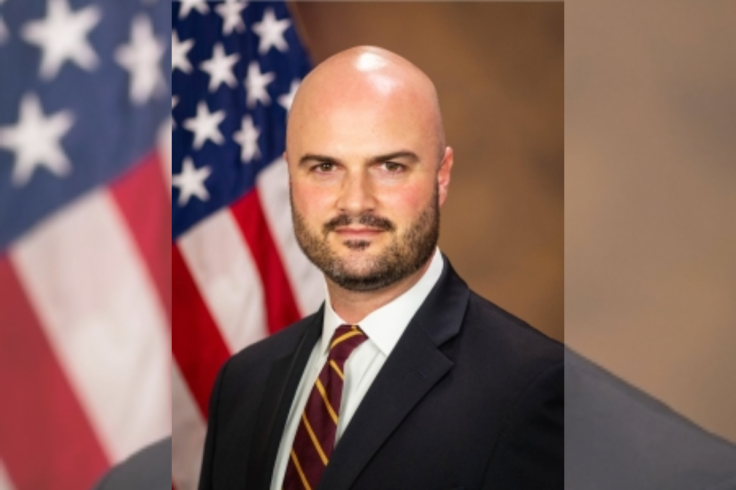
A top federal prosecutor in Texas has ignited a sharp constitutional dispute by sending formal warning letters to Democratic lawmakers regarding their plans to investigate associates of former President Donald Trump. Aaron Reitz, the US Attorney for the Southern District of Texas, now faces a bar ethics complaint accusing him of abusing his office to intimidate members of Congress ahead of a new congressional term.
Reitz has forcefully rejected the complaint as 'baseless' and politically motivated, insisting he acted professionally. Legal scholars, however, argue that his threats carry little real force against constitutionally protected congressional oversight.
Record-Preservation Notices Target Incoming Chairs
Following Democratic midterm gains that position the party to assume committee chairmanships in January, Reitz dispatched record-preservation demands to Senators Elizabeth Warren and Richard Blumenthal, in addition to Representative Elissa Slotkin and Representative Robert Garcia.
The letters referenced lawmakers' public pledges to scrutinise Trump allies, business associates and private donors, including Blumenthal's inquiries into undisclosed contributors to Trump's White House ballroom project, and warned of 'significant legal consequences' if relevant records were not retained.
In his letter to Warren, who is expected to chair the Senate Banking Committee, Reitz accused her of preparing to wield her gavel 'like a tomahawk' against Trump's private associates and financial supporters. He framed the notices as part of a preliminary inquiry into whether lawmakers' planned investigations infringe upon the First Amendment rights of private citizens.
However, legal experts interviewed by Politico and The Guardian noted that record-preservation letters from a US Attorney carry no independent legal compulsion and raised concerns about the Constitution's Speech or Debate Clause, which shields legitimate legislative activity and oversight from executive branch interference.
Ethics Complaint and Fierce Pushback
Watchdog organisation Campaign for Accountability filed a formal ethics complaint against Reitz with state bar authorities, contending that a federal prosecutor cannot lawfully threaten members of Congress for exercising their constitutional duty of oversight.
Blumenthal dismissed Reitz's warning as unconstitutional intimidation and issued a counter-demand ordering the prosecutor to preserve his own communications with the White House and Justice Department leadership. Meanwhile, incoming Texas Democratic congressman Colin Allred argued that lawmakers must fulfil their oversight responsibilities alongside addressing everyday voter concerns such as the cost of living.
Despite the pushback, Reitz and the Justice Department stood firm. A department spokesperson brushed off the watchdog filing as 'selective barfare' aimed at administration officials, while Reitz told CBS News Texas that he had read the complaint in full. Dismissing the allegations as driven by partisan donors, he invited critics to challenge his law licence if they wished, while maintaining that his actions remained within professional bounds.
A Broader Clash Over Accountability
Even senior Justice Department leadership has offered a mixed public picture of the episode, with Attorney General Todd Blanche noting that there are no active criminal investigations into lawmakers' remarks while defending the authority of federal offices to review potential overreach.
Ultimately, the confrontation underscores deepening friction between the Trump administration and incoming Democratic committee leaders ahead of January's power shift in Congress. While Reitz portrays his letters as a defence of citizens' constitutional rights against political targeting, legal scholars and Democrats view them as an unprecedented effort to chill legislative oversight before a single subpoena has even been issued.
© Copyright IBTimes 2026. All rights reserved.