CNN, MSNBC and Major US Newspapers Accused of 'Pro-Israel' Bias in Gaza Coverage Following Analysis of 17,000 Reports
Massive study accuses top US media of Gaza bias via uneven casualty portrayals
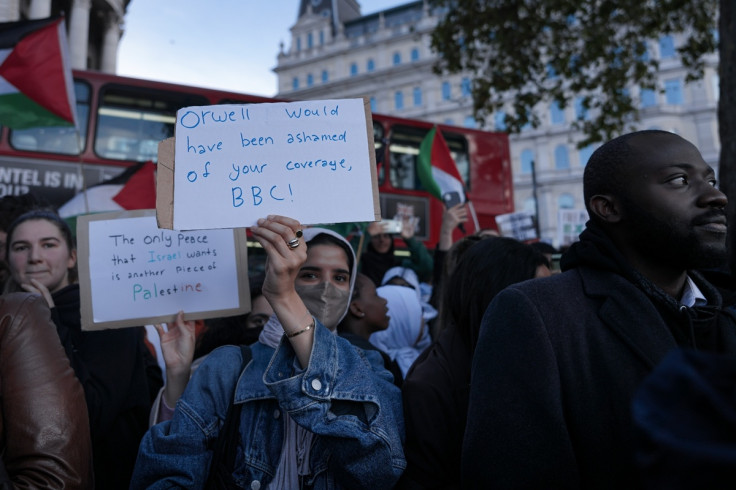
An analysis of more than 17,000 news items has revealed strong pro-Israel bias in coverage from CNN, MSNBC and prominent US newspapers of the Gaza crisis, with researchers claiming a clear double standard in the framing of Palestinian and Israeli losses. The results threaten to erode trust in America's most-watched outlets as the death toll increases, including 262 journalists killed since the war began.
The data shows tendencies that critics say represent a systematic distortion of Gaza media coverage, where Palestinian losses are given less emphasis than Israeli losses, stoking accusations of ingrained media bias. The findings come as public faith in journalism faces sustained pressure, with fresh claims of 300 infractions against reporters in 2026 alone.
Gaza Media Violations Mount
The Palestinian Journalists Syndicate has documented 300 Israeli violations against media workers in 2026 alone, describing them as 'systematic', according to Anadolu Agency. It records 262 journalists killed since the Gaza war began — a toll that underscores the deadly risks faced by those reporting from the front lines. The group is urging international organisations to offer protection and ensure accountability.
Such incidents amplify wider concerns about the Western media's Gaza coverage. Studies show Western media downplaying Palestinian fatalities alongside amplified Israeli narratives. Outlets routinely challenge Gaza health ministry tallies yet rarely probe Israel's numbers with equal vigour, according to Al Jazeera's investigation.
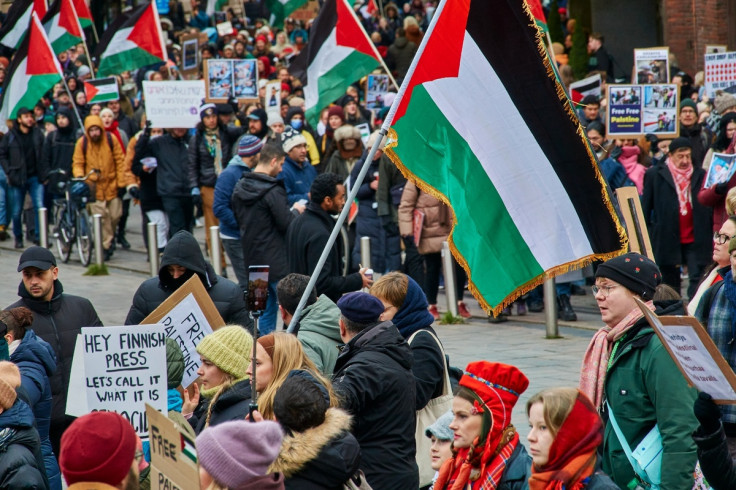
These violations include direct attacks on press facilities, equipment destruction, and harassment of reporters attempting to document the conflict's impact. The syndicate emphasised that such actions create a chilling effect, limiting independent verification of events on the ground. International press freedom groups have echoed these concerns, noting Gaza's status as the deadliest conflict zone for journalists in decades.
The Intercept analysed 17,000 pieces from CNN, MSNBC and key US dailies, uncovering selective language use. 'Killed' appeared far more frequently with Israeli victims; Palestinian deaths drew softer terms like 'died' or vague phrasing. 'The gap stems from editorial choices, not chance,' said a researcher involved in the review. Analysts see this as evidence of deeper media bias tilting the scales.
Western Media Double Standard Exposed
Washington and European figures have dismissed local health ministry data while accepting Israeli claims without question — a double standard, observers note, according to a detailed Al Jazeera investigation. These habits, critics contend, entrench bias in Gaza coverage and chip away at credibility for CNN, MSNBC and their peers.
CNN has maintained a policy of routing all Israel-Palestine coverage through its Jerusalem bureau, where reporters operate under Israeli military censor rules. A CNN spokesperson previously said the policy exists to ensure reporting is 'as precise and accurate as possible' and that the IDF censor has a 'minimal' impact. Separately, CNN's News Standards and Practices issued a memo directing staff to label the Gaza Health Ministry as 'Hamas-controlled' on every casualty reference. CNN and other named outlets have denied allegations of bias arising from these practices.
The Palestinian union's estimates nearly match UN tallies of reporter deaths, while exact counts remain disputed in chaotic conditions. As the conflict enters its third year, claims of media bias and double standards are gaining momentum, accompanied by increasing requests for independent audits of Western media practices. Press freedom advocates have warned that without reform, public trust in global media could be permanently damaged.
© Copyright IBTimes 2026. All rights reserved.
- Recommended For You