

Hyundai Motor Company Fire Risk Recall Update: What Caused the HPCU Overheating Issue and Which Models Are Affected?
Check engine warning and reduced-power mode linked to recall issue
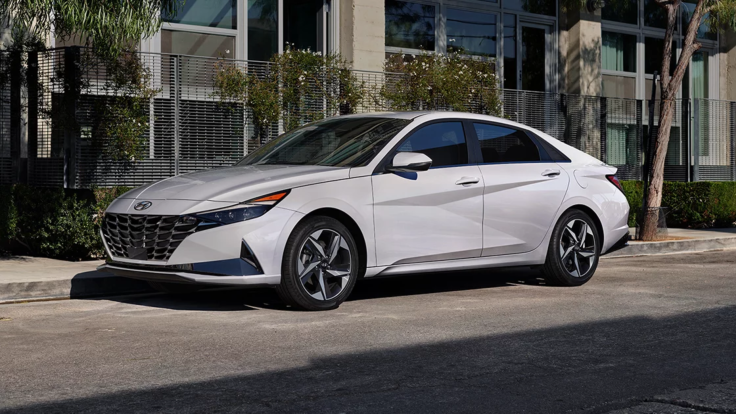
Hyundai is recalling more than 54,000 hybrid vehicles in the United States after regulators identified a potential fire risk linked to overheating in a key electrical component. The recall affects certain Hyundai Elantra Hybrid models from the 2024 to 2026 model years and centres on a fault that could cause vehicles to lose power, fail to start, or, in some cases, suffer thermal damage inside the hybrid system.
The US National Highway Traffic Safety Administration, or NHTSA, said the issue involves the hybrid power control unit, commonly known as the HPCU. Hyundai will provide affected owners with a free software update intended to reduce the risk of overheating and improve the system's cooling performance.
More Than 54,000 Vehicles Affected
According to recall documents filed with the NHTSA, the action covers 54,337 Hyundai Elantra Hybrid vehicles sold in the United States. The affected models include a subset of 2024, 2025, and 2026 Elantra Hybrid cars.
The recall adds to growing regulatory attention on electrical systems used in hybrid and electric vehicles, particularly components exposed to high electrical loads and heat generation.
Hyundai dealers and affected owners are expected to receive official notification about the recall by 13 July. Owners will then be instructed to bring their vehicles to authorised dealerships for inspection and software updates at no cost.
What Is Causing the Hyundai HPCU Overheating Issue?
The recall centres on the hybrid power control unit, a major component responsible for managing electrical power flow in Hyundai's hybrid system.
Recall documents state that the HPCU contains a metal-oxide semiconductor field effect transistor, known as a MOSFET. Under high electrical loads, the MOSFET can overheat if the cooling protection within the existing software is insufficient.
The NHTSA said overheating in the HPCU could lead to localised thermal damage affecting the assembly and internal components. In more serious cases, the overheating issue may increase the risk of a vehicle fire.
The regulator also noted that affected vehicles could enter a reduced-power operating condition, often referred to as 'limp mode,' as the system attempts to protect itself from further damage.
Symptoms Drivers May Notice
Drivers of affected Hyundai Elantra Hybrid models may experience several warning signs linked to the overheating issue.
According to the recall documents, vehicles may illuminate the check engine warning light if the HPCU begins overheating. Some drivers could also notice reduced engine performance as the vehicle shifts into reduced-power mode.
In certain situations, the vehicle may fail to start altogether. Hyundai and the NHTSA have advised owners to respond promptly to recall notices to minimise potential safety risks associated with the fault.
While the recall notice references thermal damage and fire risk concerns, the primary purpose of the software remedy is to prevent overheating before more severe damage develops within the hybrid system.
Hyundai Software Update Aims to Reduce Fire Risk
Hyundai said dealers will install updated software for the affected hybrid power control units free of charge.
According to the recall filing, the revised software is designed to improve MOSFET cooling performance while also limiting maximum current delivery during high electrical demand. The changes are intended to reduce the likelihood of overheating inside the HPCU.
The carmaker also said it will reimburse owners who previously paid out of pocket for repairs related to the defect before the recall was announced.
Vehicle owners can also check their recall status through Hyundai customer support channels or the NHTSA recall database once notification letters are issued.
© Copyright IBTimes 2026. All rights reserved.