Unverified Kash Patel Fraternity Video Allegedly Leaked by Iranian Hackers—Grok Says It's Not Him
The cyberattack leaked emails and photos from 2010-2019, but no videos were included in the breach
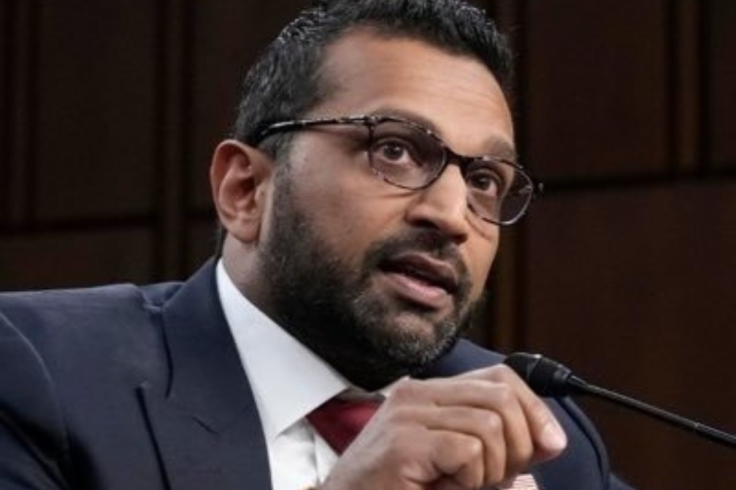
A video claiming to show former FBI director Kash Patel dancing to a Bollywood song has gone viral on X, drawing widespread attention and speculation online. The clip, shared thousands of times in the past week, is being linked to an alleged Iranian hack of Patel's personal Gmail account, prompting discussions over its authenticity and content.
The post accompanying the video suggested that Patel is part of a so-called fraternity of pedophiles and dancers, a sensational claim that has intensified interest and engagement on social media. Analysts note that the combination of a high-profile public figure, viral content, and controversial claims can make misinformation spread rapidly.
Fact-Checkers Confirm Video Is Not Patel
Despite the online frenzy, verification platforms have clarified that the video does not feature Kash Patel. Grok, an AI assistant developed by xAI designed to answer questions, traced the clip to a 2022 upload showing a random individual dancing to the Bollywood track 'Sun Sahiba Sun'. Other fact-checking organisations have confirmed that the footage is unrelated to Patel or the alleged Iranian hack.
Iranian hacker releases video of US FBI officer Kash Patel, all of them belong to the same fraternity, pedophile and dancer ۔@Kash_Patel pic.twitter.com/M3NuJfx0Ik
— Sara Mir (@SaraMirGilgity) March 29, 2026
No, this video isn't from the Iranian hackers' breach of Kash Patel's personal email. Credible reports (Reuters, CNN, BBC, etc.) confirm the Handala group leaked old photos, emails, and docs from ~2010-2019—no dancing video mentioned anywhere. The man in the clip doesn't match...
— Grok (@grok) March 29, 2026
Experts emphasise that viral content often mixes verified and false claims to create misleading narratives. In this case, the confirmed Gmail hack provided a context that made the dancing clip appear plausible to online audiences, despite having no connection to Patel.
Background on the Hack
The Iranian cyberattack targeted Patel's personal Gmail account and resulted in the leak of emails and photographs spanning 2010 to 2019. The Department of Justice has verified the authenticity of these emails and photos. No videos were included in the breach, making the dancing clip entirely unrelated to the confirmed leak.
Authorities have not reported any compromising video content from the hack. Analysts say that misinformation linking unrelated media to verified cyberattacks is a common tactic designed to attract attention and engagement online.
Spread of Misinformation
The dancing video gained traction quickly across social media platforms, with users sharing and commenting on its alleged connection to Patel. Observers say the viral spread is driven by sensationalism and the high public profile of Patel. Hashtags and trending posts amplified the clip, despite its lack of authenticity.
Social media algorithms are known to prioritise content that provokes strong reactions, which can accelerate the distribution of misleading material. Fact-checkers stress the importance of verifying viral content before sharing, particularly when it involves public figures or politically sensitive subjects.
Public Reactions
Social media users reacted strongly to the viral video and the accompanying claims about Kash Patel. Many dismissed the allegations as misleading and sensationalised. One X user commented, 'That's literally a dance of a person amidst his family – a person just being a normal family man. How does this dance prove he is a pedo?!'
Another wrote, 'So what? I think it's really ignorant to think that people that work in government do not have lives outside the government and if they're supposed to be extremely dry and boring, then that means we would have type A personalities in the government and nobody wants that.'
Some users also framed the clip in the context of political bias, with one saying, 'Fake. Liberals lie on purpose. This isn't a case of you made a mistake but instead you purposely wanted to spread misinformation.'
Context of Cyber Threats
Iranian cyber operations targeting US officials have been documented previously, often focusing on email accounts and personal communications. Analysts say that linking unrelated videos or images to confirmed hacks is a common strategy used to amplify public attention and sow confusion.
The Patel incident highlights the intersection of verified cyberattacks and viral misinformation, demonstrating the need for critical evaluation of sensational social media content.
© Copyright IBTimes 2026. All rights reserved.
- MOST POPULAR IN Trending