Israel Lobby Has Shaped Every US President Since Truman, New Book Claims
New book explores the impact of pro-Israel advocacy on American foreign policy decisions
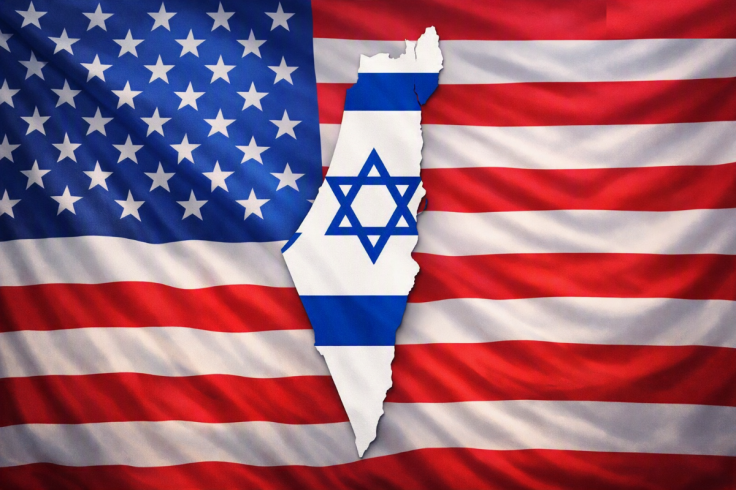
A newly published book argues that pro-Israel advocacy groups have influenced the foreign policy decisions of every American president since Harry Truman, often pushing leaders away from positions favoured by their own top security advisers.
The book, titled Israel's Lobby: America in the Grip of a Foreign Power, is by Quincy Institute senior adviser Eli Clifton and University of Pennsylvania political science professor emeritus Ian Lustick. In an essay adapted from the book and published in The Guardian, the authors trace what they describe as a pattern stretching from 1948 to the present day.
Truman's 1948 Reversal
The authors point to Truman's decision to recognise the state of Israel in May 1948 as the starting point. According to Lustick and Clifton's account, secretary of state George C Marshall led a unanimous recommendation from Truman's top foreign policy and national security officials to prevent the establishment of a Jewish state, warning it would trigger regional war and damage US relations with the Arab world.
Marshall reportedly told Truman that recognising Israel before it was formally established would be a 'transparent dodge to win a few votes' and would leave the presidency diminished. Truman initially agreed, the authors write, but reversed course within 48 hours and ordered US recognition of Israel regardless.
At the time of the decision, Israel had already declared independence. Truman's recognition effectively confirmed a fait accompli.
I’m excited to announce that my forthcoming book, coauthored with Ian Lustick, is now available for preorder!
— Eli Clifton (@EliClifton) June 9, 2026
Israel's Lobby: America in the Grip of a Foreign Power exposes the networks of US and Israeli oligarchs capturing the policymaking process.https://t.co/J3CEXtwNo3 pic.twitter.com/cNkW0zHihE
The Ford Letter That Changed Course
A similar pattern is described during Gerald Ford's presidency. Ford and secretary of state Henry Kissinger had launched a policy review, later known as the 'reassessment', aimed at pressuring Israel to withdraw from the West Bank and Gaza Strip as part of a broader peace push.
The initiative collapsed after 76 US senators signed a letter urging Ford to stand firmly behind Israel in future negotiations. According to the Jewish Virtual Library's archived text of the letter, the senators wrote that they wished to 'urge you to make it clear ... that the United States, acting in its own national interests, stands firmly with Israel'. Lustick and Clifton write that Ford was privately furious, citing accounts from the period, but ultimately unwilling to defy the pressure.
From Dayan's Threat to Biden's Resistance
The authors extend the argument through subsequent administrations. They describe a 1977 meeting in which Israeli foreign minister Moshe Dayan reportedly warned Jimmy Carter that without assurances of continued military and economic aid, he would 'go ... to the American Jews'. The book argues this threat softened Carter's push for a Palestinian homeland.
Barack Obama is described as having abandoned a settlement freeze initiative after backlash from Israel's government and lobby groups, later reassigning a peace envoy seen as sympathetic to Palestinians. Lustick and Clifton write that Biden resisted advice from his own officials to pressure Israel over civilian casualties in Gaza following the 7 October 2023 attacks.
Implications for Trump's Middle East Policy
The book's final chapters connect this history to Donald Trump, arguing his decision to join Israel's war against Iran earlier this year followed a sustained lobbying campaign and came despite reported opposition from senior advisers. The authors cite polling showing 45 percent of Republicans hold an unfavourable view of Israel, suggesting a widening gap between lobby influence and grassroots party sentiment.
If accurate, the pattern the authors describe would mean US Middle East policy has repeatedly been shaped less by strategic consensus among security officials and more by domestic political calculation, a dynamic with consequences for how future administrations approach the region.
The book arrives amid a broader American debate over Israel's standing in domestic politics. Public opinion has shifted sharply in recent years. According to polling cited in the book, a majority of Americans now tell pollsters they hold an unfavourable view of Israel, a reversal from historical trends. Whether that shift translates into reduced political influence for pro-Israel advocacy groups, or provokes a harder pushback, is likely to shape US foreign policy debates well beyond the 2026 midterms.
© Copyright IBTimes 2026. All rights reserved.
- Recommended For You