

Pentagon Says Israeli Spy Threat Has Reached 'Critical,' Claiming It Eavesdropped on US-Iran Peace Talks
US intelligence reports highlight increased Israeli surveillance on American officials involved in Iran peace talks.
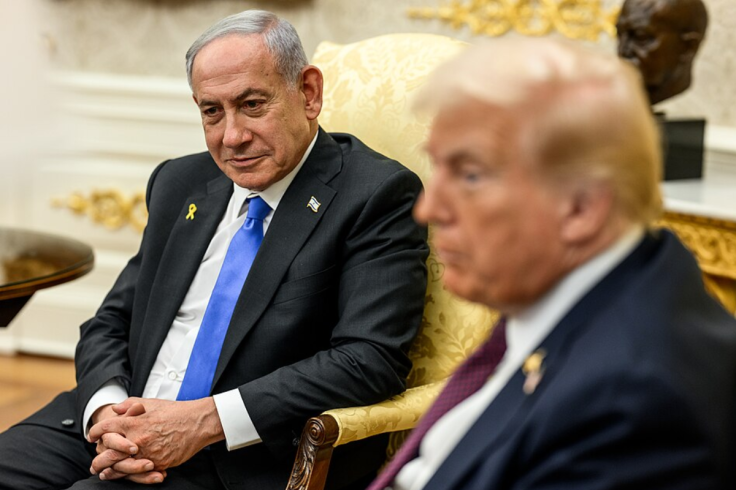
The Pentagon says Israeli spy activity targeting US officials involved in negotiations with Iran has reached a 'critical' level, according to intelligence assessments cited by The New York Times. It was also alleged that Israel may have eavesdropped on senior American negotiators, including those working on US-Iran peace discussions led by President Donald Trump's administration.
The findings came after a series of internal US intelligence reports reviewed by defence and counterintelligence agencies, which reportedly raised concerns about increased surveillance activity directed at American officials.
For years, the United States and Israel have historically maintained a complicated intelligence relationship, cooperating closely on security while also engaging in routine espionage against one another. The Pentagon's alleged classification of the Israeli counterintelligence threat marks a rare public escalation in between the two long-standing allies.
Israeli Spy Threat Claims Focus on US-Iran Peace Talks
The Pentagon's concern, according to the intelligence reports, is the possibility that Israeli agencies intercepted communications linked to US negotiations over a potential peace deal with Iran.
The reports cite senior officials including Steve Witkoff, President Trump's top negotiator, along with Elbridge A. Colby, the Pentagon's under secretary for policy, and his deputy Michael P. DiMino IV, as individuals whose communications may have been targeted.
One defence intelligence assessment reportedly elevated Israel's counterintelligence risk rating from 'high' to 'critical,' placing it above any other US ally and in some categories closer to adversarial states. Officials familiar with the matter, speaking on condition of anonymity due to the sensitivity of the subject, described an environment in which intelligence collection efforts had become more aggressive in recent years, particularly as US-Iran negotiations intensified.
The Pentagon has not publicly confirmed the details of the assessments. A White House official, speaking separately, dismissed the account as false, while the Israeli embassy in Washington rejected the claims outright, stating that Israel does not spy on US officials or institutions. The Defence Department also declined to comment on the reported findings.
Despite the denials, US intelligence officials cited in the reports say concerns are not entirely unexpected. Israel has long conducted intelligence operations targeting both allies and adversaries, as does the United States.
Pentagon Spy Threat Raises Tensions
US and Israel are still closely working together on military operations in the Middle East, including coordination related to Iran. However, US intelligence officials say growing concerns about Israeli surveillance and possible interference with communications could force Washington to limit what sensitive information it shares in the future.
Reports also point to earlier alleged incidents involving attempts to access or monitor US systems, which have contributed to a tougher internal Pentagon assessment.
Despite the tensions, cooperation continues through joint command centres where US and Israeli personnel work side by side. But intelligence officials now see these shared spaces as possible security risks, especially where political or diplomatic information is discussed.
The Pentagon has not confirmed what evidence led to the warning, and it is still unclear whether any new restrictions on intelligence sharing will be introduced.
Updates on the US-Iran Negotiations
The US–Iran peace talks are currently stuck, with both countries still talking but also continuing military strikes and pressure on the ground. In early June 2026, tensions in the Gulf have disrupted negotiations, including Iranian attacks on US allies like Kuwait and Bahrain, and US retaliatory strikes on Iranian coastal areas.
A major issue is money and sanctions. Iran wants relief and access to frozen funds worth about $24 billion (£19bn), but the US is refusing to ease sanctions unless a full deal is reached. President Trump has said there will be no sanctions relief until an agreement is finalised, which has slowed progress further.
Despite the fighting, limited diplomatic contact is still happening under a fragile 'ceasefire-with-violations' arrangement that has been in place since April 2026. Both sides continue occasional strikes while still keeping back-channel talks open. Mediators, including Pakistan, are trying to restart formal negotiations, but there is no clear timeline.
© Copyright IBTimes 2026. All rights reserved.