'It's Just Not Working': Trump's Iran Talks Under Fire as Insider Warns on Netanyahu's Political Future
Political commentator Armstrong Williams critiques the Trump administration's approach to Iran
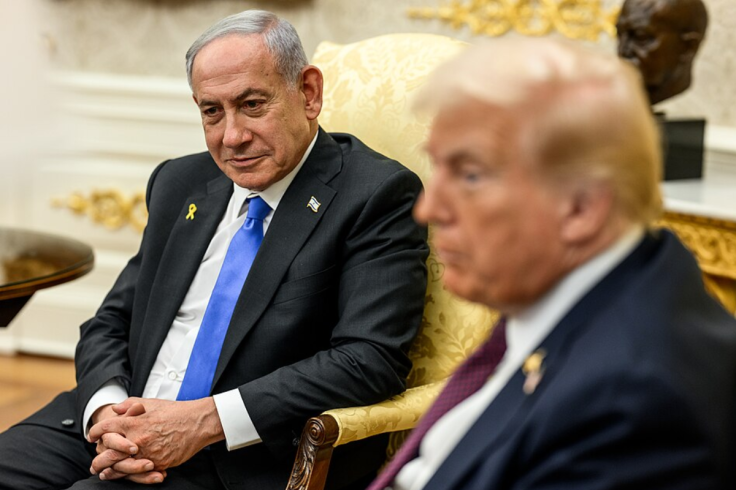
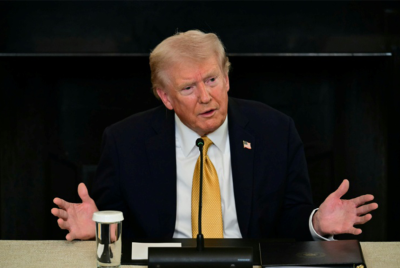
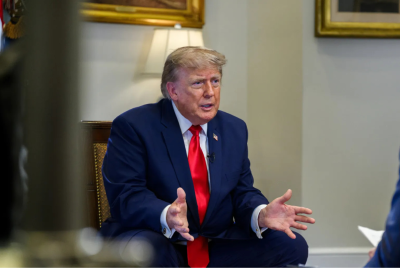
President Donald Trump's push to secure a lasting agreement with Iran has come under renewed scrutiny after a veteran Washington insider claimed the administration's diplomatic approach is failing. He also claimed that any breakthrough could dramatically reshape Israeli politics, particularly for Prime Minister Benjamin Netanyahu.
Speaking in a recent interview, political commentator Armstrong Williams argued that the White House's strategy is proving ineffective despite recent ceasefire efforts, insisting that Iran continues to hold the upper hand in negotiations.
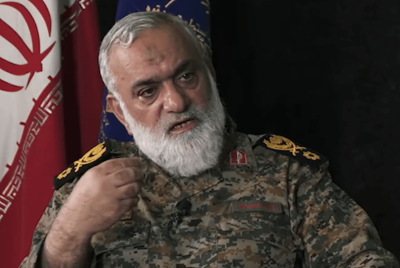
The comments come as the Trump administration attempts to capitalise on recent military pressure against Iran by reviving diplomatic efforts. With tensions over Iran's nuclear programme, shipping through the Strait of Hormuz and regional security still high, any breakthrough or collapse in negotiations could have consequences far beyond Washington.
Insider Says Trump's Iran Strategy Is Falling Short
Williams delivered a blunt assessment of the administration's approach, arguing that diplomacy alone is unlikely to produce a lasting agreement.
'The more we talk about peace and fragile agreements, the worse it becomes. I don't think this administration quite understands the language of Iran in the way they're thinking,' he said.
His remarks come as the Trump administration seeks to build on a fragile ceasefire agreed earlier this month, following weeks of military tensions involving Iran and Israel. While US officials have expressed optimism that negotiations could prevent another escalation, Williams suggested Tehran remains unconvinced by Washington's approach and warned the administration could be overestimating its leverage.
The Trump administration has consistently argued that combining military pressure with diplomacy offers the best chance of securing a durable agreement while preventing Iran from advancing its nuclear programme. Supporters say keeping negotiations alive reduces the risk of a wider conflict while preserving pressure on Tehran to make concessions.
Why Netanyahu Could Have the Most to Lose
Williams also suggested that a successful US-Iran agreement could carry significant political consequences for Netanyahu.
The Israeli prime minister has long framed Iran as Israel's greatest national security threat and repeatedly opposed agreements he believes leave Tehran's nuclear programme insufficiently constrained.
If Trump were to broker a deal widely viewed as a diplomatic success, it could undermine one of Netanyahu's central political arguments that sustained pressure, rather than negotiation, is the most effective way to contain Iran. Observers say such an outcome could invite renewed scrutiny of his influence over Washington's Middle East policy and his government's broader security strategy.
The debate also highlights a growing question facing both Washington and Jerusalem: whether military pressure can ultimately be converted into a lasting diplomatic settlement. While recent military action may have pushed Iran back to the negotiating table, many foreign policy experts caution that turning a temporary ceasefire into a comprehensive, enforceable agreement is significantly more difficult than reaching a short-term pause in fighting.
'Be Careful What You Pray For'
Williams also warned against assuming that a change in Israeli leadership would necessarily improve the country's position.
'You have to be careful what you pray for because what you may get is not what you're looking for,' he said.
His comments reflect a broader debate over whether any successor would pursue a more conciliatory approach towards Iran or continue Israel's long-standing hard-line security policy. Political analysts note that regardless of who leads Israel, concerns over Iran's nuclear ambitions are likely to remain central to the country's foreign and defence agenda.
© Copyright IBTimes 2026. All rights reserved.
- Recommended For You