Special Privilege Revealed as IRS Halts Decades of Mandatory Presidential Tax Audits Exclusively for Trump
Legal and Political Implications of Trump's Unprecedented IRS Settlement
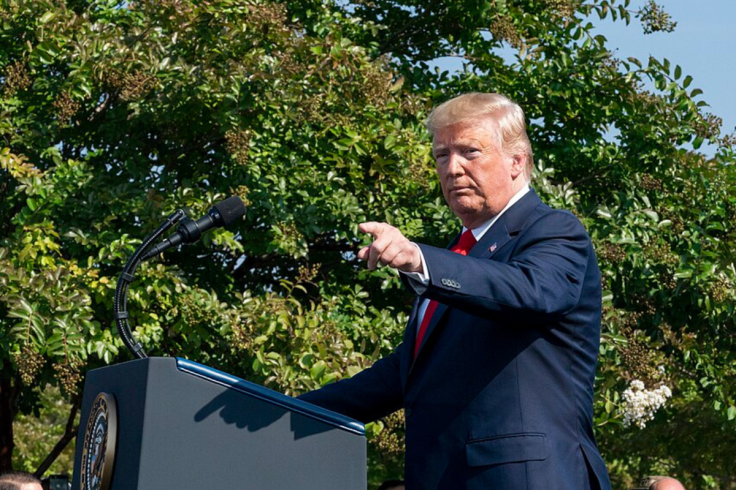
An Internal Revenue Service settlement barring audits of President Donald Trump's past tax filings remains largely intact, despite last-minute changes meant to satisfy two Republican senators blocking his attorney general nominee.
Acting Attorney General Todd Blanche narrowed part of the settlement this week to win over Senators John Cornyn and Thom Tillis, but the core protection covering years of past returns has not been withdrawn.
The arrangement grew out of a lawsuit Trump and his sons filed against the tax agency over a leak of his financial records. Tax lawyers and former IRS officials call the shield without precedent in the agency's history.
A Settlement Born From a $10bn Lawsuit
Trump, along with sons Donald Jr and Eric, sued the IRS and the Treasury Department in January 2026, seeking £7.7bn ($10bn) in damages over a leak of tax materials. The Justice Department settled the case in May 2026 with a document signed by Blanche, which said the IRS would be 'forever barred and precluded' from auditing returns filed before 18 May 2026 by Trump, his family, trusts, and related businesses and affiliates.
The settlement's release coincided with details of a separate £1.37bn ($1.776bn) fund intended to compensate people who say they were targeted by federal 'weaponisation', including some individuals convicted over the 6 January 2021 Capitol riot.
Trump later said publicly that this fund is 'dead', though the audit immunity provision embedded in the same document remained in place through subsequent revisions.
The New York Times has estimated that ending the long-running audits could save Trump roughly £77m ($100m), a figure tied in part to a disputed £56.1m ($72.9m) refund claim dating back to around 2010.
Danny Werfel, who served as IRS commissioner from 2023 to 2025, told Politico he was unaware of any precedent for the agency agreeing in advance to permanently forgo examining a taxpayer's past filings.
Federal Judge Voids the Deal, but an Appeal Keeps It Alive
US District Judge Kathleen Williams ruled on 13 July 2026 that the settlement's audit immunity provisions were void, finding in a 56-page order that the underlying lawsuit had been brought for an 'improper purpose' and that Trump and the government were never genuinely adverse parties to begin with. Trump filed a notice of appeal on 31 July 2026.
That appeal means the legal status of the audit shield is unresolved even as the political fight over it continues in the Senate. Nina Olson, founder of the Center for Taxpayer Rights, has separately sued the administration over the IRS's sharing of taxpayer data with immigration enforcement and called the broader settlement one of the lowest points for the agency.
A federal statute enacted after Watergate, when President Richard Nixon discussed using the IRS against political opponents, makes it unlawful for a president or presidential staff to direct the agency to open or close an audit.
The law does, however, give that authority to the Attorney General, a carve-out some legal and tax experts say could let Blanche intervene directly in an audit involving the president who nominated him once he is confirmed.
Republican Holdouts Force Blanche to Narrow, Not End, the Shield
Cornyn and Tillis withheld their confirmation votes over the audit provision, prompting Blanche to send lawmakers a document this week stating that the immunity applies only retroactively to claims that were open at the time of the settlement, and would not protect the president from examination of future tax filings.
For the two holdout senators, that assurance appears to have been enough to clear the way for Blanche's confirmation to proceed, according to wire reports.
Critics, including Senate Finance Committee Chairman Ron Wyden, argue the underlying mandatory presidential audit programme, which dates to a 1977 internal IRS policy rather than any act of Congress, was already broken well before this settlement, pointing to a 2022 House Ways and Means Committee finding that the process was 'dormant, at best' during Trump's first term, when only one mandatory audit was opened and none completed.
Tax Law Center policy director Brandon DeBot has said the IRS could in theory seek to void the immunity agreement by showing fraud, malfeasance or misrepresentation of a material fact, though any future administration attempting that would face the Trumps' ability to fight back in court, along with the practical problem of expiring statutes of limitations.
With the appeal pending and Blanche's confirmation advancing regardless, the fight over Trump's tax records looks set to outlast his current term in office rather than resolve alongside it.
© Copyright IBTimes 2026. All rights reserved.
- Recommended For You