ICC War Crimes Dispute: White House Official Reportedly Calls International Criminal Court 'Insane'
Escalating tensions with the International Criminal Court highlight fears of prosecution and international legal challenges.
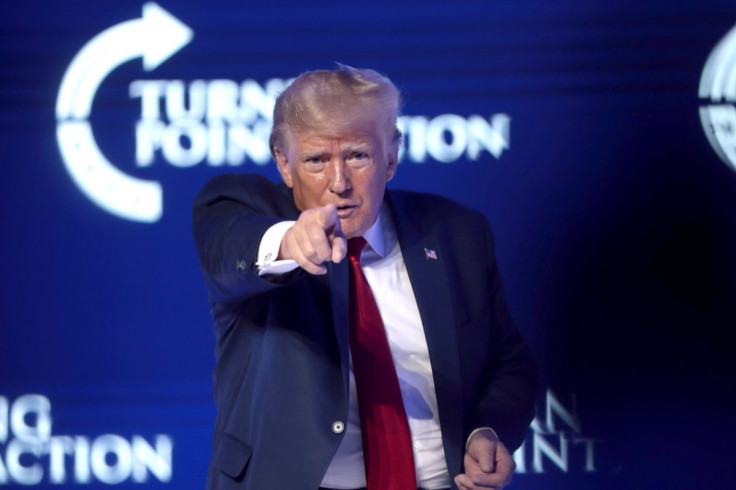
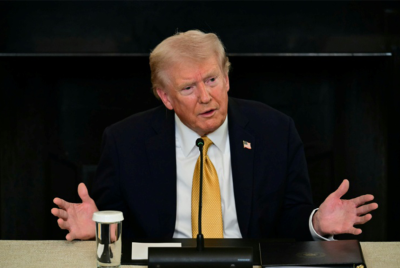
The Trump administration's escalating campaign against the International Criminal Court (ICC) has intensified debate among legal experts, former officials and human rights organisations over its motivations, with supporters describing the effort as a defence of US sovereignty and critics warning it could weaken international accountability.
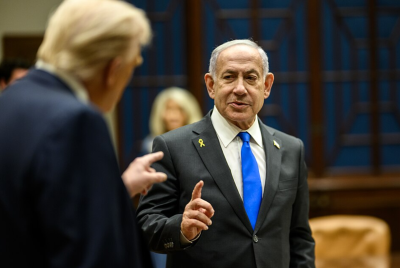
The administration has expanded sanctions against ICC officials, criticised the court's jurisdiction and increased diplomatic pressure on member states, particularly following the court's arrest warrant for Israeli Prime Minister Benjamin Netanyahu.
Critics Say Campaign Could Undermine International Accountability
Several former government officials and human rights advocates argue that the administration's efforts risk weakening international institutions designed to investigate alleged war crimes, crimes against humanity and genocide.
'They are doing everything they can to evade accountability as they attack the very institutions and advocates charged with holding rights abusers to account,' said Uzra Zeya, former US undersecretary of state and current president of Human Rights First.
The White House and State Department reject that characterisation.
Anna Kelly, a White House spokesperson, said the administration's actions are consistent with President Donald Trump's 'America First' foreign policy agenda.
'All of the administration's actions are lawful and in line with the agenda that President Trump was elected to implement,' Kelly said.
Can the ICC Prosecute Americans?
Despite the administration's criticism of the ICC, legal experts note that the court's ability to prosecute US nationals is limited.
The United States signed but never ratified the Rome Statute, the treaty that established the ICC, and does not recognise the court's jurisdiction over its citizens.
However, under the Rome Statute, the ICC maintains that it may investigate alleged crimes committed on the territory of member states, even when the accused comes from a country that is not party to the treaty. That principle formed the basis of previous ICC investigations involving Afghanistan and the court's arrest warrant for Netanyahu.
Some legal scholars argue that the court's practical ability to pursue American officials remains limited because it depends heavily on cooperation from member states.
Netanyahu Warrant Remains Central to Washington's Opposition
The ICC's November 2024 arrest warrant for Netanyahu has become a central point of contention between Washington and the tribunal.
The United States has consistently opposed the warrant, arguing that the court lacks jurisdiction over Israeli nationals because Israel is not a member of the ICC.
Some analysts believe the administration's broader campaign against the court has been strengthened by concerns over investigations involving Israel, while the White House maintains its actions are intended to prevent politically motivated prosecutions of US personnel and allies.
One administration official, when asked whether US officials could face prosecution under international law, replied, 'Maybe,' before describing the court as 'insane' and 'woke.'
Republican strategist Bill Cortese said some officials were concerned about the long-term legal consequences of future international investigations.
'There is a concern that, if Democrats come into power, that an unchecked ICC and other international institutions are going to unleash a wave of litigation against this administration and anyone associated with it,' Cortese said.
Secretary of State Marco Rubio has also argued that US military personnel, Border Patrol agents and other government officials could become targets of politically motivated investigations.
Human Rights Allegations Continue to Draw Scrutiny
Human rights organisations have raised concerns over several Trump administration policies, including deportation practices, military operations and sanctions policy.
Those groups argue that some actions may warrant international investigation, while the administration maintains its policies comply with both US and international law.
Questions have also been raised over US military strikes targeting suspected drug-trafficking vessels and deportations involving asylum seekers. However, no international court has found US officials criminally liable for those actions.
Separately, some organisations have criticised US support for Israel's military campaign in Gaza, while others have questioned recent military operations involving Iran. Those allegations remain politically and legally contested.
The ICC prosecutes only the most serious international crimes, including genocide, crimes against humanity and war crimes, and operates as a court of last resort when national judicial systems are unwilling or unable to investigate.
Changes to Domestic Oversight Also Draw Criticism
Critics have also questioned the administration's restructuring of several federal oversight bodies.
They point to changes affecting Pentagon offices responsible for assessing civilian casualties, reductions in inspector general roles across government agencies and leadership changes within the Department of Justice.
Supporters of the administration argue those reforms improve efficiency and strengthen executive authority, while opponents contend they reduce independent oversight.
Brian Finucane, a senior adviser at the International Crisis Group and former State Department lawyer, said future legal risks could extend beyond the ICC.
'People involved in unlawful activity under this administration, 20 years down the line, if they happen to travel to Europe, it might catch up with them,' he said.
Finucane was referring to the possibility of prosecutions under national laws based on the principle of universal jurisdiction rather than direct ICC action.
Future of the ICC Remains Uncertain
More than 120 countries are parties to the Rome Statute, although the United States has never joined the court.
Opposition to the ICC has existed across multiple US administrations, with concerns over sovereignty expressed by both Republican and Democratic governments, albeit through different policies.
Supporters of the tribunal argue it plays an essential role in holding perpetrators of the world's gravest crimes accountable when domestic courts fail to act. Critics maintain that the ICC has expanded its jurisdiction beyond what its founders intended and risks politicising international justice.
Legal experts say the administration's campaign could influence how other countries engage with the court in the future. Some warn it may encourage governments to distance themselves from the ICC, while others argue the dispute has increased global attention on the tribunal and its role in enforcing international criminal law.
© Copyright IBTimes 2026. All rights reserved.
- Recommended For You