

Rape Myths in Court: What Alex Norris's Call for Tougher Barrister Rules Could Mean for Victims
Norris condemns harmful assumptions about complainants, while the Bar Council stresses defendants' rights and independence
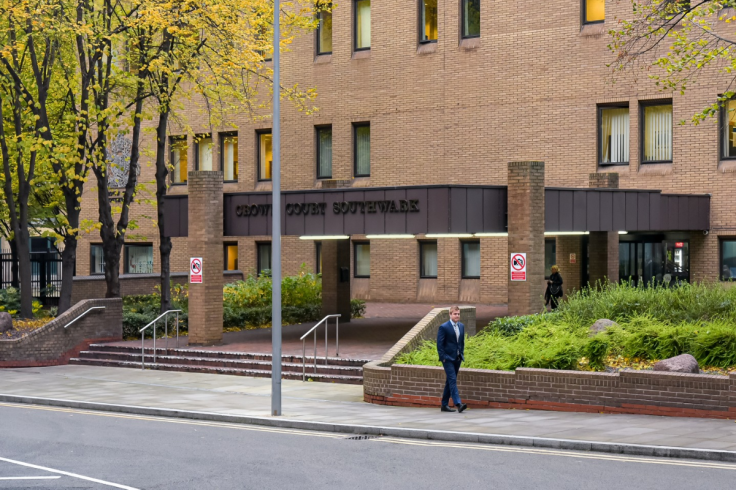
Justice Secretary Alex Norris has urged the Bar Standards Board (BSB) to strengthen professional standards for barristers handling rape and sexual assault cases, describing the use of harmful myths about complainants in court as 'unacceptable'.
In a letter to the regulator, he called for a stronger message to the legal profession and warned that barristers who breach professional standards could face disciplinary action.
His intervention follows Russell Brand's conviction and subsequent 10-year-and-six-month prison sentence for one count of rape and three sexual assaults.
During the trial, Brand's defence barrister, Ian Winter KC, questioned why the complainants had not physically resisted. His closing speech included the statement that 'not one of them [Brand's accusers] resisted or screamed or even tried to leave'.
The proposals could lead to clearer expectations for barristers questioning complainants in sexual offence trials. However, no new rules have been announced. The debate also involves defendants' right to challenge evidence and the regulator's independence.
Alex Norris Calls for Stronger Barrister Standards on Rape Myths
Norris said the BSB must send a strong signal about the harm caused by rape myths, arguing that perpetuating such misconceptions in court was unacceptable.
The regulator had established an expert reference group in May 2026, before Brand's conviction, to advise on strengthening standards for barristers handling rape and serious sexual offence cases. It includes representatives from the Bar Council, Rape Crisis, the Crown Prosecution Service and other organisations.
A BSB spokesperson said such cases 'must be decided on the basis of the evidence and not prejudice'. The regulator warned that prejudice could discourage people from coming forward and undermine public confidence in the criminal justice system.
Rape Crisis says it is 'really common' for people experiencing rape or sexual assault to find they cannot move or speak, challenging assumptions about how complainants might react.
Bar Council Questions Need for Further Compulsory Training
Kirsty Brimelow KC, chair of the Bar Council of England and Wales, said the BSB must remain 'independent of the government'.
She questioned whether a 'regulatory gap' had been demonstrated, arguing that existing professional rules already allow disciplinary action against barristers who breach their obligations.
Brimelow said specialist training for vulnerable witnesses was already undertaken, although making further training compulsory could be problematic. She also warned that additional requirements could push more barristers out of rape and sexual assault work, where she said there was already a shortage of defence lawyers.
The Bar Council maintains that defendants have a 'right to have evidence tested in court'. The issue for regulators is how to address harmful stereotypes without restricting legitimate challenges to prosecution evidence.
What Tougher Rape Myth Rules Could Mean for Victims
The debate extends beyond barristers' professional conduct. Metropolitan Police Commissioner Sir Mark Rowley said some comments made during Brand's trial that he had seen reported were 'getting very close to victim blaming'.
He also supported a legal change requiring judges to direct juries on rape myths and misconceptions in every rape trial.
The Ministry of Justice said judges already have the power to give directions addressing harmful assumptions. A spokesperson said rape myths have 'absolutely no place in our courts' and stressed that complainants must never feel as though they are the ones on trial.
For complainants, stronger professional standards could provide clearer safeguards against questioning based on assumptions about resistance, distress or delayed reporting. But the precise measures remain undecided, and the regulator has not announced a timetable for changes.
The BSB's work will help determine how professional expectations develop. Any new requirements will need to address courtroom stereotypes while preserving defendants' right to a fair trial and the opportunity to challenge evidence.
© Copyright IBTimes 2026. All rights reserved.