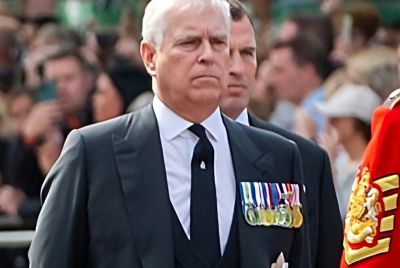
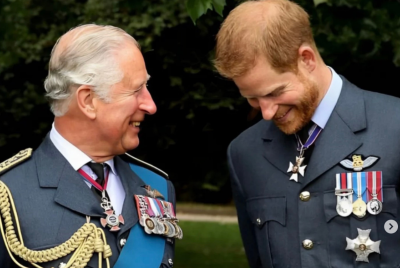
Prince Andrew Fallout Lingers as King Charles Declines Meeting With Epstein Victim's Brother, With Palace Offering No Comment
The refusal highlights the monarchy's ongoing struggle with the fallout from Prince Andrew's ties to Jeffrey Epstein.

King Charles III's refusal to meet the brother of Jeffrey Epstein accuser Virginia Giuffre has reignited scrutiny over the monarchy's handling of the long-running scandal surrounding Prince Andrew.
The decision, confirmed ahead of the monarch's 27 April 2026 state visit to the United States, underscores the enduring sensitivity of the case and its legal implications. Buckingham Palace said any such meeting risked interfering with ongoing police inquiries and potential legal proceedings.
The move comes a year after Giuffre's death at age 41 and amid renewed calls from her family for accountability. It also places King Charles III under intensified public and political pressure as he navigates diplomatic duties alongside a persistent royal crisis.
Palace Cites Legal Risks In Refusal To Meet Victim's Brother
Buckingham Palace issued a rare and unusually detailed statement explaining why the King would not meet Sky Roberts, Giuffre's brother, during his US visit.
A palace spokesperson said that while there was 'full understanding' of survivors' concerns, any engagement risked affecting 'ongoing police inquiries and assessments' as well as 'potential legal action'. Officials argued that even a small risk of interference could ultimately undermine survivors' pursuit of justice.
The statement emphasised the monarch's constitutional constraints, noting that King Charles III must remain neutral in matters that could intersect with judicial processes. It added that public comments or private meetings could inadvertently influence legal outcomes, a scenario the Palace said it 'simply can't take'.
Despite the explanation, the refusal has drawn criticism from campaigners who argue that symbolic gestures from senior royals can play a crucial role in supporting survivors of abuse.
King Charles’s lawyers denied my request for the King to meet with Epstein survivors next week.
— Ro Khanna (@RoKhanna) April 22, 2026
The British Monarchy can be seen as a relic of colonialism & imperialism, or it can be a modern force for standing up for women's rights & human rights. I hope he will reconsider. https://t.co/WZdYE4LR39
Family Seeks Recognition As Campaign For Reform Continues
Sky Roberts has publicly appealed for a meeting, framing it as a moment of acknowledgement rather than political intervention.
In an interview, Roberts said he wanted the King to 'look me in the face' and recognise his sister beyond headlines. He described the meeting as an opportunity for the monarch to demonstrate leadership and solidarity with survivors of sexual abuse.
Roberts also indicated that his visit to Washington would focus on lobbying efforts tied to 'Virginia's Law', proposed legislation aimed at removing statutes of limitations in sex trafficking cases. He argued that such reforms would prevent future offenders from evading accountability.
His sister, Virginia Giuffre, was among the most prominent voices accusing Prince Andrew and Jeffrey Epstein of abuse. She alleged she was trafficked at 17, claims that became central to global scrutiny of Epstein's network.
Prince Andrew's Legal And Public Fallout Remains Unresolved
The controversy surrounding Prince Andrew continues to cast a shadow over the monarchy years after initial allegations emerged.
Andrew settled a civil lawsuit with Giuffre in 2022 without admitting liability, agreeing to a financial settlement reported to be in the millions. While he has consistently denied wrongdoing, the settlement effectively ended the case without a trial.
In 2025, Andrew was stripped of his royal titles and withdrew from public duties, marking one of the most dramatic royal downfalls in modern British history. He has not faced criminal charges related to Giuffre's allegations, but authorities have continued to examine aspects of his association with Epstein.
Epstein, who died in custody in 2019 while awaiting trial on federal sex trafficking charges, remains a central figure in the broader scandal. Investigations into his network and alleged enablers have continued to generate legal and political consequences across multiple jurisdictions.
Members of the United States Congress have repeatedly called for Andrew to testify about his connections to Epstein, though he has not complied with those requests.

Diplomatic Visit Overshadowed By Persistent Royal Crisis
The King's upcoming state visit to the United States was intended to highlight diplomatic ties, including commemorations linked to the 250th anniversary of American independence.
The trip, which includes engagements in Washington and New York alongside Queen Camilla, is also seen as an effort to strengthen relations with the US administration following policy disagreements on international issues.
However, the refusal to meet Roberts has shifted attention back to the unresolved reputational damage stemming from Andrew's ties to Epstein. Critics argue that the monarchy cannot fully separate its diplomatic role from lingering questions about accountability and transparency.
Roberts, meanwhile, plans to meet US lawmakers during the visit, positioning his advocacy in direct proximity to the King's official engagements. This parallel presence underscores the continuing tension between royal protocol and public demands for justice.
For King Charles III, the episode illustrates the delicate balance between constitutional restraint and moral leadership, as the institution he leads remains entangled in one of the most damaging scandals in its recent history.
The monarchy's attempt to maintain legal neutrality has done little to quiet calls for accountability, ensuring that the fallout from the Epstein scandal continues to follow the Crown across borders.
© Copyright IBTimes 2026. All rights reserved.
- Recommended For You