

Trump 'Flat Out' Told Pam Bondi to Withhold Epstein Files to Protect 'Mar-a-Lago Friends,' MTG Claims
Greene alleges Trump intervened to prevent the release of sensitive Epstein documents, raising questions about transparency and political influence.

A fresh allegation from Marjorie Taylor Greene has reignited scrutiny over the handling of the Jeffrey Epstein case, with claims that President Donald Trump personally intervened to block the release of sensitive files.
The claim surfaced during a broadcast interview and has rapidly circulated online, raising questions about transparency, political influence, and the extent of undisclosed material tied to the late financier Jeffrey Epstein.
Greene alleged that Trump directly instructed former Florida Attorney General Pam Bondi not to release documents related to Epstein, citing concerns that 'people are going to get hurt'. The remarks, if substantiated, could have far-reaching implications for ongoing public demands for accountability in one of the most scrutinised criminal cases in recent US history.
Greene's Claims And The Interview Record
Speaking in an interview with the programme hosted by Shannon Joy, Greene stated that Trump 'flat out' told Bondi to withhold the Epstein files.
She further claimed that Trump privately acknowledged the potential fallout of disclosure, saying, 'My friends will get hurt... People at Mar-a-Lago, they're going to get hurt.'
The interview is publicly accessible via a livestream archive, where Greene also asserted that Trump discouraged broader internal discussions about releasing documents tied to Epstein's network.
In a separate clip shared on social media, Greene alleged that Trump 'was blocking everybody' and communicated similar warnings to senior Republican figures, including House Speaker Mike Johnson.
These statements have not been independently verified, and no official transcript from a government proceeding corroborates Greene's account at the time of writing.
NEW: Marjorie Taylor Greene says that Trump "flat out" told Pam Bondi "do not release the Epstein Files."
— Sense Receptor (@SenseReceptor) April 21, 2026
"[Trump] was blocking everybody... he said, 'My friends will get hurt.'... People at Mar-a-Lago, they're going to get hurt.'"
"His reasoning was 'people are going to get… pic.twitter.com/LHYpjItFKs
What Epstein Files Exist — And What Has Been Released
The 'Epstein files' broadly refer to a collection of court documents, depositions, financial records, and investigative materials linked to Epstein's trafficking operation.
Several batches of documents have already entered the public domain through litigation, most notably via the defamation case brought by Virginia Giuffre against Ghislaine Maxwell, unsealed in stages by US courts.
Court filings from the US District Court for the Southern District of New York (Giuffre v Maxwell, Case No. 15-cv-7433) include sworn depositions and witness testimony. These records detail Epstein's network, alleged co-conspirators, and victims' accounts.
The US Department of Justice has also released materials tied to Maxwell's 2021 criminal trial, including indictments and evidentiary summaries, which are publicly accessible through official court databases.
However, significant portions of investigative records remain sealed or heavily redacted. These include grand jury materials, FBI investigative files, and certain financial transaction records.
Legal experts note that such documents are often protected due to privacy concerns, ongoing investigations, or evidentiary rules governing grand jury secrecy.
Bondi's Role And Past Connections
Pam Bondi served as Florida's Attorney General from 2011 to 2019 and later joined Trump's legal defence team during his first impeachment trial.
Her office did not prosecute Epstein directly, as his controversial 2008 plea deal was negotiated earlier under federal prosecutors led by then-US Attorney Alexander Acosta.
That agreement, formally known as a non-prosecution agreement, has been widely criticised. A 2019 ruling by US District Judge Kenneth Marra found that federal prosecutors violated the Crime Victims' Rights Act by failing to notify victims before finalising the deal.
Bondi has not publicly confirmed Greene's allegation. There is no documented directive, memo, or court filing indicating that she was instructed by Trump to suppress Epstein-related records.
Requests for comment from Bondi and Trump representatives, where made by various journalists in similar reporting contexts, have historically been met with denials of wrongdoing regarding Epstein.
BREAKING: President Trump reportedly told Pam Bondi not to release the Epstein files, according to Marjorie Taylor Greene.
— Patrick Webb (@Patrickwebb) April 21, 2026
Transparency, Victims, And Political Fallout
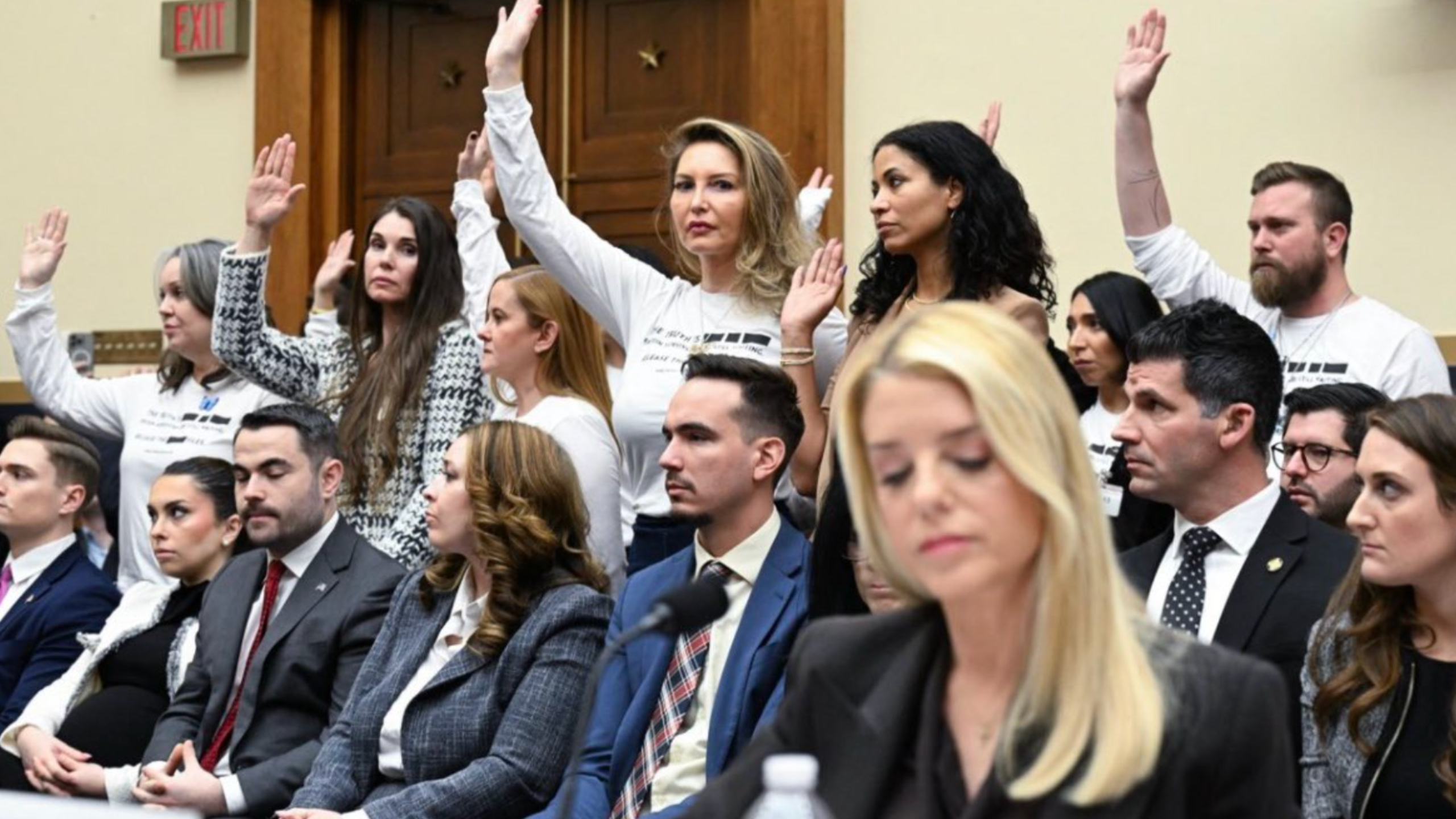
Greene's claims also extend beyond document suppression. She alleged that Trump 'flat-out refused' to host Epstein victims in the Oval Office.
This assertion contrasts with broader public pressure from victims' advocates, who have long called for greater transparency and direct engagement from political leaders.
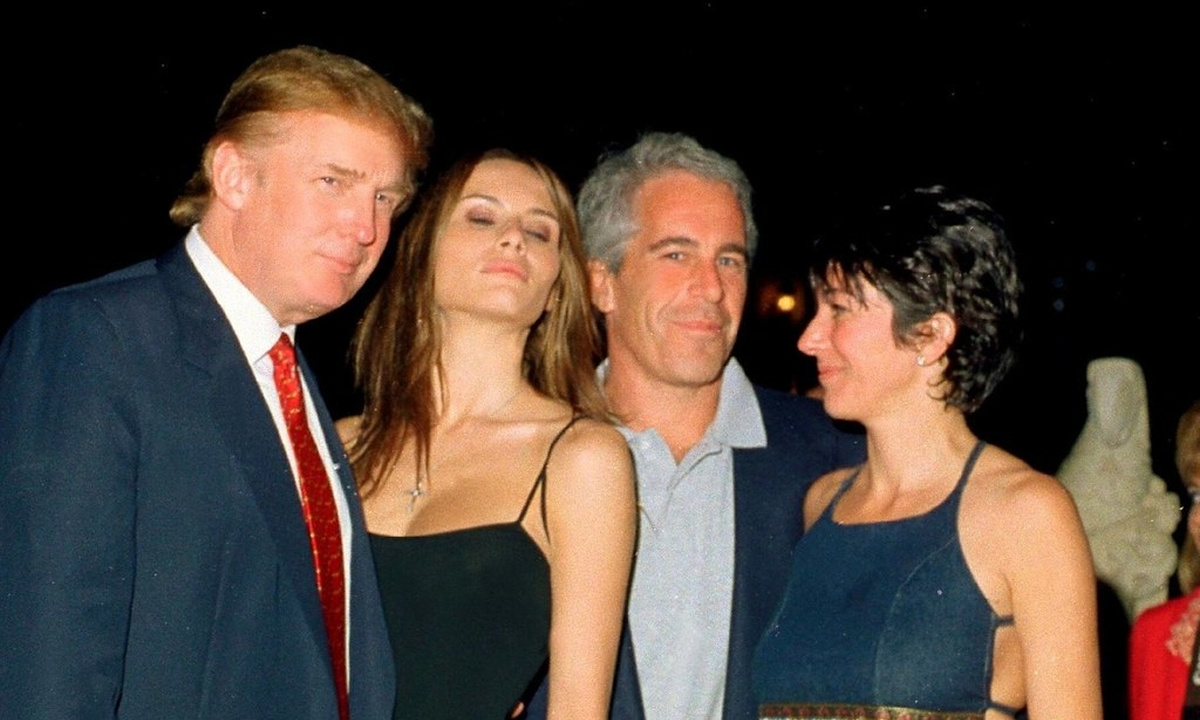
The Epstein case has become a touchstone for debates over elite accountability. Figures across political and business spheres have faced scrutiny due to past associations with Epstein, though association alone does not imply wrongdoing.
Greene's remarks have triggered renewed calls from lawmakers and advocacy groups to declassify or unseal remaining records where legally permissible.
The Broader Question: What Remains Hidden?
The central issue raised by Greene's allegation is not only whether Trump intervened, but what information remains inaccessible to the public.
Unreleased materials could include investigative leads that never resulted in charges, identities of unindicted individuals, and sensitive victim testimony.
The FBI has acknowledged, in past public statements and court filings, that Epstein-related investigations involved 'numerous potential victims and witnesses across multiple jurisdictions'.
Some records may remain sealed indefinitely due to these complexities.
Without verifiable documentation supporting Greene's claims, her statements remain allegations. Yet they underscore persistent concerns about transparency in a case that continues to draw global attention.
The controversy highlights an enduring tension between public accountability and legal restraint in one of the most consequential criminal investigations of the past two decades.
© Copyright IBTimes 2026. All rights reserved.
- Recommended For You


