

K‑Pop Contract Wars: Stars Speak Out as Fan Protests Erupt Over Restrictive Deals
EXO‑CBX and NewJeans legal battles spark global protests, reigniting debate over "slave contracts" in K‑Pop.
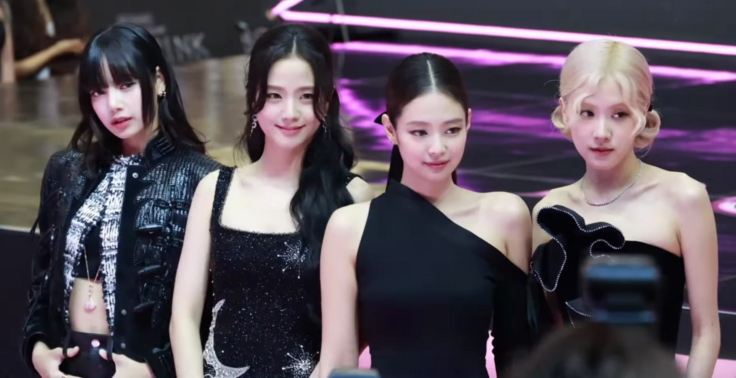
The K-Pop industry is facing one of its most turbulent reckonings in years as idols publicly challenge the restrictive contracts that have long controlled their careers.
Recent legal battles involving EXO members Chen, Baekhyun and Xiumin (CBX) and rising girl group NewJeans have ignited a fierce debate over labour rights, artist autonomy and the future of Korea's star-making system.
According to The Korea Times, courts have sided mainly with entertainment agencies in high-profile rulings, deepening tensions and fuelling a wave of outrage across global fan communities.
The Return of the 'Slave Contract' Debate
K-Pop contracts—often running 10 to 13 years—have long faced scrutiny for being rigid, demanding and deeply invasive. Trainees endure years of controlled diets, limited personal freedom and strict surveillance of their public image.
Outlets, including OtakuKart, note that even global titans like BTS and BLACKPINK have navigated restrictive obligations despite their massive international influence.
Fans argue that the system prioritises corporate profit over idol well-being, with terms that can limit artistic control, restrict schedules and dictate everything from styling to dating. As anger grows online, the term 'slave contract' has resurfaced—reflecting fan frustration at what they see as unjust labour practices in a billion-dollar industry.
Agencies defend the arrangements, insisting long-term contracts protect their investment in years of training, choreography, vocal coaching and global marketing.
Fan Protests Spread Across Seoul and Social Media
The dispute has triggered an explosive reaction from fandoms. Supporters of EXO and NewJeans have flooded TikTok, Instagram and X with hashtags demanding contract transparency and fair treatment, as petitions calling for reform gain momentum worldwide.
Offline, the backlash has spilt into the streets. Fans have staged protests outside agency headquarters in Seoul, holding banners accusing companies of unethical conduct. These demonstrations highlight the unusually intense emotional and financial investment fans place in idol welfare—transforming what were once internal entertainment disputes into broader cultural debates about labour rights.
Industry Fallout: Legal, Economic and Global Consequences
The controversy carries wide-ranging implications for the K-Pop ecosystem:
Global image risk: Western audiences, now central to K-Pop's success, expect modern labour standards. Restrictive deals threaten the genre's reputation.
Legal pressure: Courts are increasingly asked to arbitrate contract disputes, setting precedents that may reshape idol management.
Corporate backlash: Agencies, including SM Entertainment, face renewed criticism and reputational damage.
Economic disruption: Conflict between idols and companies can derail tours, album campaigns, endorsements and streaming performance.
Industry insiders warn that without meaningful reform, both domestic loyalty and international audiences may begin to fracture.

Calls for Structural Reform Grow Louder
Experts argue that the time has come for shorter, fairer contracts that balance agency investment with idol autonomy. Proposals include:
- Limiting contract length to 5–7 years.
- Ensuring idols retain rights over personal branding and creative output.
- Providing mental health and labour protections.
- Establishing independent oversight bodies to monitor contracts.
Such reforms could help sustain K‑Pop's global momentum while protecting the artists who drive its success. Without change, the industry risks undermining the very talent that made it a worldwide phenomenon.
Historical Context and Global Fan Solidarity
This is not the industry's first contract crisis. In the late 2000s, members of TVXQ sued SM Entertainment in a case that reshaped public awareness of idol rights. Later battles involving B.A.P., Highlight and others revealed systemic patterns of control.
But 2025's contract wars feel different—larger, louder and truly global. Fans from Latin America to Europe have joined solidarity campaigns, highlighting K-Pop's international reach and the growing power of global fandoms to shape narratives.
Disclaimer
IBTimes UK cannot independently verify the full scope of these disputes. Reports are based on court rulings, agency statements, and media coverage.
© Copyright IBTimes 2026. All rights reserved.