Netflix Cancels Controversial Series Amid Criticisms, Outrage Over 'Offensive' Humour
Netflix axes the rebooted series following massive viewer backlash, petitions, and criticism
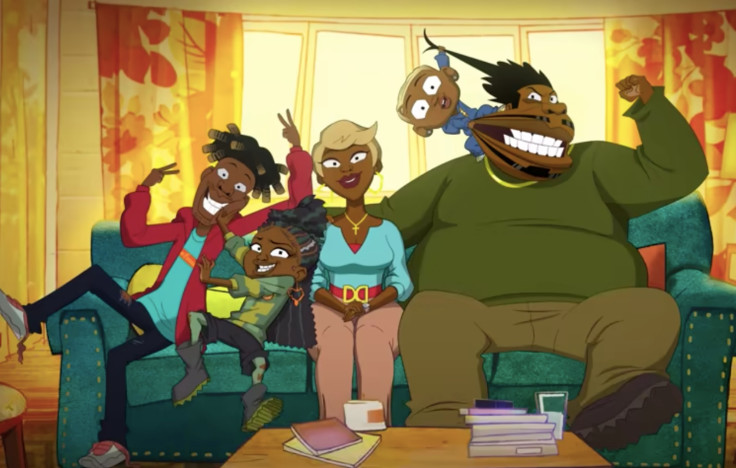
Netflix has officially pulled the plug on Good Times: Black Again, the animated reboot of the beloved live-action sitcom Good Times, which originally aired on CBS from 8 February 1974 to 30 January 1980. The reboot, which premiered on Netflix on the 12th of April 2024, aimed to reimagine the classic series for a new generation, spotlighting the fourth generation of the Evans family.
Good Times: Black Again briefly made it into Netflix's US Top 10 and reportedly amassed around 5.4 million streams. Despite these seemingly impressive figures, the streaming platform chose not to renew the series for a second season. Industry analysts suggest that a mix of ongoing controversy, viewer backlash, and a decline in engagement after the initial excitement played a major role in Netflix's decision to drop the show.
Why Netflix Was Forced to Axe the Reboot Sitcom After Just One Season
Netflix has officially announced the cancellation of the controversial adult animated sitcom following a wave of backlash from viewers and observers. They flooded social media with unpleasant comments, and review platforms have mostly criticised the rebooted show, calling it 'horrible.'
Critics also accused the producers of distorting the legacy of the original series. The intense public reaction, combined with complaints about offensive humour and exaggerated stereotypes, ultimately led the streaming giant to pull the series from its lineup.
'The least surprising of all the cancellations - is Good Times,' Kasey More of What's On Netflix said on a post. 'Whether you fall into the camp that it was deeply misunderstood, or in the larger camp that suggested the series fell into unsavory stereotypes or was offensive, it is hard to argue that it was a wise idea to try to bring back a rebooted version of the well-known sitcom of the same name.'
Controversy from the Start
From the very first release of trailers and promotional materials, Good Times: Black Again faced intense backlash. Although it was marketed as a modern reinvention of a beloved classic, many viewers and critics argued that the reboot disrespected the legacy of the original series.
The original Good Times in the 70s was widely praised for its heartfelt depiction of a working-class Black family in Chicago, skilfully blending humour with meaningful social commentary. In contrast, the animated reboot's tone and content were seen as a sharp departure from the values that made the original show iconic.
Moreover, critics felt the reboot leaned heavily on exaggerated stereotypes, crude humour, and caricature-driven storylines. They further said the jokes about violence, drug dealing, and other controversial subjects undermined the show's intended message, prompting outrage among fans, civil rights advocates, and some of the original cast members.
Netflix's Good Times Reboot Is So Bad Thelma Had To Speak Out pic.twitter.com/zjDrlHJBtw
— RealTimBlack (@RealTimBlack) April 14, 2024
Petitions to Take Down the Show
Petitions to remove the series were also started on Change.org. In one of the petitions, a petition starter, Anne Murray, explained, 'As a Black American, I have witnessed the long history of our fight for equal rights and against racial discrimination. It is disheartening to see that in this day and age, we still face misrepresentation in the media.'
She added, 'One such instance is the animated show Good Times on Netflix. This show harms the self-image and esteem of Black American culture in the United States by perpetuating a false narrative of criminality and lack of economic progress.'
In the end, the controversy and cancellation of Good Times: Black Again reinforce a broader message for the entertainment industry: honouring the legacy of iconic shows and respecting the communities they portray is essential for both critical and commercial success. It also shows that public scrutiny can directly influence programming decisions, signalling to producers that cultural sensitivity and authenticity are crucial in storytelling today.
© Copyright IBTimes 2026. All rights reserved.
- MOST POPULAR IN Entertainment