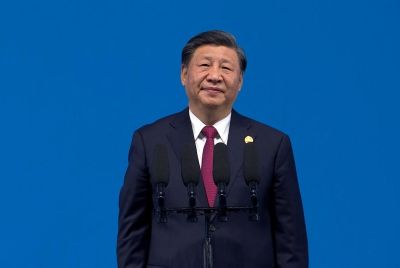
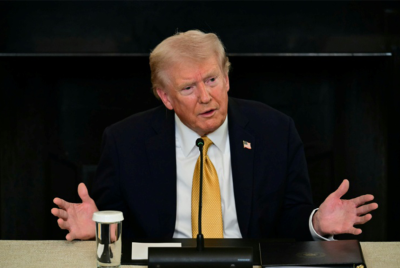
Kremlin's WW3 Threat: Russia Warns US Support For Taiwan Will Trigger World War III
Moscow's ultimatum highlights escalating tensions in the Indo-Pacific region
The Kremlin has issued a stark warning that United States support for Taiwan could trigger World War III, intensifying fears of a global conflict involving Russia, China and the West. Moscow's latest ultimatum, reported widely on social media this week, asserts that any American military assistance to the island would have catastrophic consequences.
The statement comes as tensions in the Indo-Pacific remain high, with Beijing continuing its military drills around Taiwan. As of 15 May 2026, the development has prompted fresh debate in Washington and allied capitals over the risks of standing firm against Chinese pressure.
Kremlin Warns US Taiwan Backing Could Ignite Global Conflict
The warning has gained traction through social media, where a popular Instagram reel posted on 14 May claims the Kremlin has issued its most URGENT ultimatum on the issue. The reel states 'The Kremlin has issued its most URGENT ultimatum, warning of WORLD WAR III. Russia asserts that U.S. support for Taiwan will have catastrophic consequences. This signals a TERRIFYING escalation.'
An X post from the same day echoed the sentiment, noting Russia warns that US support for Taiwan in a conflict with China could trigger World War III.
🚨 BREAKING 🚨
— Muhammad Umar Malik (@Maaalik9) May 14, 2026
Russia warns that US support for Taiwan in a conflict with China could trigger World War III. pic.twitter.com/cxUVy4rOfT
This rhetoric aligns with Russia's broader view that US actions in Asia could destabilise the world order. Asharq Al- Awsat reported that foreign Minister Sergei Lavrov has previously cautioned that Western involvement in regional disputes risks wider escalation, though the latest comments focus specifically on Taiwan. The messaging is consistent with Moscow's partnership with Beijing, which has grown stronger since the Ukraine conflict began. Experts note that such statements serve to deter further US engagement in the region while Russia maintains its focus on European priorities.
US Arms Support To Taiwan Raises Stakes For Superpowers
Washington has continued to bolster Taiwan's defences despite the warnings. In December 2025 the Trump administration announced the largest ever U.S. weapons package for the island worth $11.1 billion (£8.2 billion) as reported by Reuters. The deal includes advanced rocket systems, howitzers and drones aimed at strengthening Taiwan's ability to deter aggression.
Taiwan's legislature recently approved additional special funds to acquire more US weapons, reflecting growing concern over Chinese military pressure. These investments are seen by Moscow as direct challenges that could draw Russia into a larger confrontation through its ties with Beijing.
The financial scale of the support underscores the high stakes involved in the Taiwan issue, with both sides preparing for potential conflict in what some analysts describe as a key flashpoint for 2026.
Global Reaction And Diplomatic Fallout Intensifies
European allies have watched the exchange with concern, conscious of their own commitments in Europe. The United States under President Trump has sought to manage multiple flashpoints simultaneously, but the Taiwan warning as reported by CNBC adds another layer of complexity. China has remained largely silent on the Russian statement but has repeatedly condemned US arms sales to Taiwan as interference in its sovereign affairs.
Regional partners such as Japan and Australia are meanwhile accelerating their defence preparations in response to the heightened tensions. The situation remains highly charged, with diplomats from all sides calling for calm to prevent any misstep that could lead to irreversible consequences.
The latest reports suggest that while no immediate military moves are planned, the Kremlin's message serves as a reminder of the interconnected nature of global security challenges. Any escalation over Taiwan could rapidly involve multiple powers, underscoring the fragility of the current international order.
© Copyright IBTimes 2026. All rights reserved.
- Recommended For You