'Tomorrow, Inshallah': Iran Responds To Trump With Haunting Message After His 'Civilisation Will Die' Warning
A brief but loaded response from Tehran highlights rising tensions and the risk of rhetorical escalation between the US and Iran.
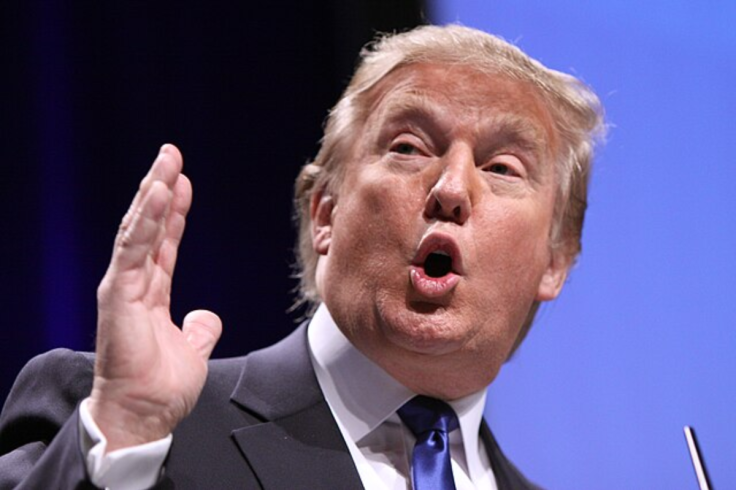
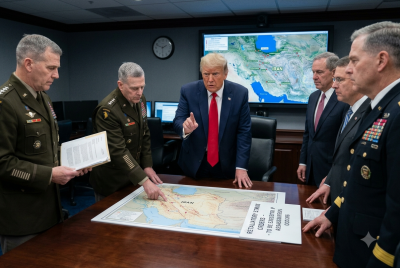
A stark exchange of words between Washington and Tehran has reignited fears of escalation, with Iran offering a measured yet chillingly resonant reply to Donald Trump's apocalyptic warning. What might, at first glance, seem like a brief back-and-forth has quickly taken on outsized significance, sharpening anxieties over how verbal sparring can harden into policy in an already volatile region.
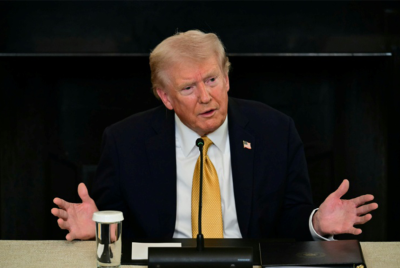
The US president warned that 'civilisation will die' if Iran pursues further aggression, prompting a terse but symbolic response from Iranian officials: 'Tomorrow, Inshallah', a phrase laden with cultural and political meaning. The exchange has rapidly drawn global attention, raising fresh concerns about rhetoric shaping real-world tensions in the Middle East and beyond.
Trump's Warning Signals Escalating Rhetorical Stakes
Donald Trump's remarks came during a campaign appearance in which he criticised Iran's regional posture and nuclear ambitions. He warned that unchecked Iranian actions could lead to catastrophic global consequences, stating that 'civilisation will die' if Tehran continues on its current trajectory.
The comments echo long-standing US concerns over Iran's nuclear programme and its support for proxy groups across the Middle East. Trump has consistently advocated a hardline approach, having previously withdrawn the United States from the 2015 nuclear agreement, formally known as the Joint Comprehensive Plan of Action (JCPOA), during his presidency.
Trump's latest rhetoric appears to build on that legacy, framing Iran not only as a regional threat but as a civilisation-level danger. Analysts note that such language significantly raises the stakes, particularly in a campaign environment where foreign policy often intersects with domestic political messaging.
Iran's Response: Symbolism And Strategic Ambiguity
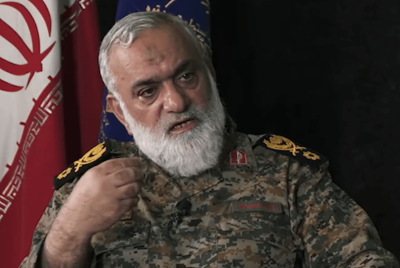
Iran's response, 'Tomorrow, Inshallah', was delivered through state-linked channels and officials, including remarks carried by the Islamic Republic News Agency (IRNA). While brief, the phrase carries layered meaning.
'Inshallah', which translates to 'God willing', is commonly used in everyday speech across the Muslim world. However, in political contexts, it can signal defiance, patience, or a refusal to be rushed into confrontation.
Iranian officials did not issue an immediate detailed rebuttal to Trump's remarks. Instead, the restrained phrasing has been interpreted by analysts as a calculated move to avoid direct escalation while maintaining a posture of quiet resistance.
Statements and official positions from Iran's leadership, including Supreme Leader Ayatollah Ali Khamenei, can be accessed via official channels.
Past speeches by Khamenei have consistently rejected US pressure while emphasising strategic endurance. In a 2019 address, for instance, he described US threats as 'ineffective' and urged reliance on internal strength rather than external negotiation.
The latest response appears to follow that established pattern, signalling resolve without overt provocation.
Tomorrow Inshallah.
— Iran Embassy in Zimbabwe (@IRANinZIMBABWE) April 7, 2026
Trump told: “A whole civilization will die tonight”.
— Iran Embassy SA (@IraninSA) April 7, 2026
You and your allies will suffer an unforgettable hit from the ancient civilization of Iran.
Nuclear Tensions And Regional Flashpoints
The exchange comes against the backdrop of renewed scrutiny over Iran's nuclear activities. The International Atomic Energy Agency (IAEA) has reported increased uranium enrichment levels in Iran, raising concerns among Western governments about the potential for weapons-grade capability.
While Iran maintains that its programme is for peaceful purposes, Western officials argue that the scale and level of enrichment exceed civilian requirements. Diplomatic efforts to revive the JCPOA have stalled in recent years, leaving a vacuum increasingly filled by rhetoric and strategic signalling.
At the same time, tensions have intensified across the region. Iran-backed groups have been implicated in attacks on US and allied interests, while Israel has conducted strikes targeting Iranian-linked infrastructure in Syria.
These developments create a volatile environment in which political statements, particularly from high-profile figures such as Trump, can carry outsized influence.
Remember this grief, this anger, this face. We will not let you go. pic.twitter.com/Rt1WNBAjdq
— Iran Embassy SA (@IraninSA) April 7, 2026
Political Context And Global Reactions
Trump's comments also arrive amid a heated US election cycle, where foreign policy positioning plays a critical role in shaping voter perception. His framing of Iran as an existential threat aligns with his broader campaign narrative of strong national defence and deterrence.
However, critics argue that such language risks inflaming tensions rather than resolving them. Former diplomats and policy experts have repeatedly warned that escalation through rhetoric can narrow diplomatic options.
International reaction to the exchange has been measured but cautious. European officials have reiterated the importance of de-escalation and diplomacy, while regional actors continue to monitor the situation closely.
For Iran, the choice of a restrained yet evocative response may reflect an awareness of the broader geopolitical audience. By avoiding direct confrontation, Tehran preserves strategic flexibility while still signalling resilience.
25TH AMENDMENT!!!
— Former Congresswoman Marjorie Taylor Greene🇺🇸 (@FmrRepMTG) April 7, 2026
Not a single bomb has dropped on America. We cannot kill an entire civilization.
This is evil and madness. pic.twitter.com/2mdogDRZN4
A War Of Words With Real-World Implications
The phrase 'Tomorrow, Inshallah' may appear understated, but within the context of escalating rhetoric, it underscores the fragile balance between symbolism and action.
As both sides continue to navigate a complex web of political, military and diplomatic pressures, even brief exchanges can reverberate far beyond their immediate context.
The risk, analysts warn, is that language intended for domestic or symbolic purposes may ultimately shape decisions with global consequences.
© Copyright IBTimes 2026. All rights reserved.
- Recommended For You