

David Harbour, Lily Allen Divorce: Does Singer Plan Another Revenge Record?
A decade after breaking the charts, Lily Allen appears intent on breaking the silence that came with the success.

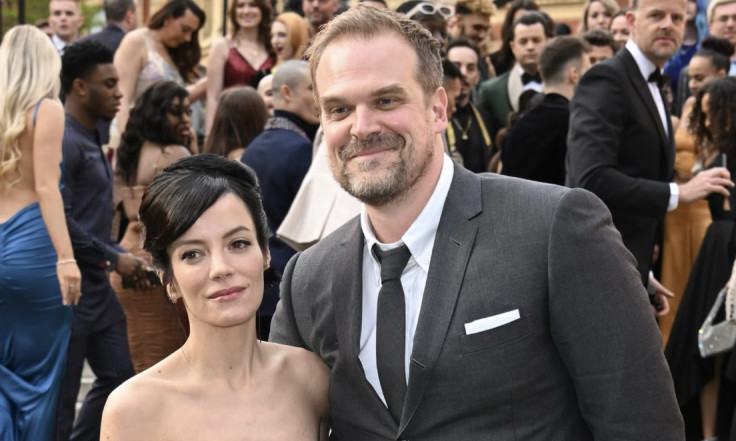
Lily Allen's West End 'revenge album' was still echoing through tabloids and timelines when talk began of what might come next. The songs that picked over the bones of her marriage to Stranger Things star David Harbour were barely out in the world, yet those close to her say Allen was already looking further back—to the rooms, corridors, and closed‑door meetings that shaped her as a young woman in the music industry.
Now, at 40, the singer is said to be preparing the most uncompromising work of her career: a long‑shelved, #MeToo‑style record taking aim not at an ex, but at the powerful men who, she believes, failed her when she was at her most vulnerable.
David Harbour, Lily Allen Divorce And A First Taste Of 'Revenge'
Allen's latest album, West End Girl, has been widely described as a 'divorce record'—a spiky, confessional chronicle of the breakdown of her relationship with Harbour, 50, whom she married in Las Vegas in 2020.
'Lily showed with her last release that she has a sharp instinct for timing,' one insider told OK!. 'If this album is released, it won't be cautious or softened. Lily has a lot to get off her chest about how she was treated when she was younger and didn't have the power she has now.'
On West End Girl, Allen did not flinch from uncomfortable territory. She appeared to allude to infidelity in the marriage, and used the collapse of her relationship with Harbour to reassess the collapse of her first, to builder Sam Cooper.
'(I've learned there are no) baddies and goodies in a marriage,' she reflected. 'But, having done things that were not very nice in my first marriage, I have a better idea now of the pain I may have inflicted. I've learned how horrible it is to be on the receiving end of that.'
She has spoken with the same plainness about the mechanics of divorce itself—the lawyers, the late‑night spirals, the way something as bureaucratic as a financial settlement can seep into the heart.
'It's just sort of devastating, really,' Allen said. 'It keeps you up at night and costs a huge amount of money and just goes on and on and on.'
Then there is the corrosive mistrust that lingers. 'I hate feeling like I can't trust anyone,' she admitted. 'But there's something about dealing with an ex‑partner and lawyers that creates an environment of feeling like you can't trust anybody or anything.'
It is that emotional honesty, people around her say, that now threatens to move beyond the family court and into the boardrooms of Britain's music industry.
A #MeToo Reckoning Behind The Music
According to multiple sources, Allen is pushing to finally release an album she wrote five years ago, at the height of the #MeToo movement, documenting what she describes as years of exploitation and power plays by industry figures.
'There's a genuine buzz building around this album finally being released,' said one person familiar with the project. 'Lily is the one pushing it forward and making it happen. She's acutely aware of her cultural position right now and feels this is the point where her voice will really land.'
Another insider is blunter about the material itself. 'There's a huge amount she could draw from. Lily had a genuinely difficult time navigating the industry, and when she was young, there were powerful figures around her who exploited the imbalance rather than protecting her.'
The record, they say, is not some misty‑eyed nostalgia trip about the mid‑2000s London scene that first made Allen famous with hits like Smile and LDN. It is meant as confrontation—reframing older experiences with the vocabulary and anger that only arrived later.
'At its core, this new record will confront issues of power, control and enforced silence,' one insider said. 'Lily believes she kept quiet for years because that was the unspoken expectation placed on her by the industry. Now that she's established and successful, she no longer feels any obligation to shield the people involved.'
Allen has previously spoken in general terms about uncomfortable encounters and the casual sexism she faced as a young artist signed to major labels. What this album threatens to do is put narrative—and perhaps names—to that history, in a country whose defamation laws are notoriously unforgiving.
Whether the release will trigger a wider conversation about accountability in the music world is an open question. What is clear, according to one friend, is that Allen herself feels little inclination to move on quietly.
'Lily is very clear about her worth at this point in her career,' they said. 'If there was ever a moment for her to take ownership of these stories and tell them the way she wants, it's now.'
© Copyright IBTimes 2026. All rights reserved.