

'Revenge of the Thanksgiving Turkeys': Wild Flock Chases Massachusetts Woman Days Before Holiday
The unusual Newton encounter highlights why wildlife officials warn residents not to feed turkeys or approach aggressive birds
In the video, recorded by Taryn LaPrade, a man and woman travelling in a car noticed the pedestrian being pursued by several turkeys. They stopped to check on her and encouraged her to get inside their vehicle, offering a temporary escape from the birds.
The woman told the motorists there were approximately 12 turkeys in the group, with several particularly persistent birds continuing to follow her. When asked whether she had been feeding them, she replied that she had not, appearing unsure why the animals were targeting her.
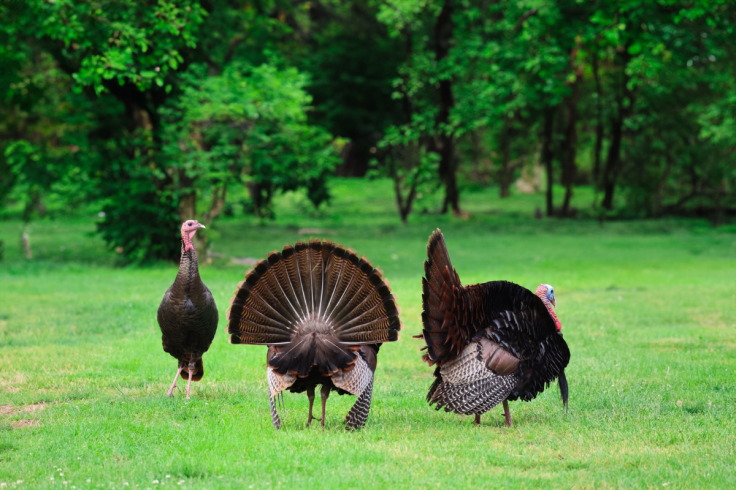
The encounter quickly became a talking point online, with viewers joking about the timing of the incident. One X user described it as the 'revenge of the Thanksgiving turkeys', while another shared a photograph of three birds walking together with the warning: 'Do NOT mess with these guys.'
Wild Turkeys Are a Familiar Sight Across Massachusetts
Despite the unusual chase, seeing wild turkeys in residential areas is not uncommon in Massachusetts. According to the Massachusetts Division of Fisheries and Wildlife, the state is home to an estimated 30,000 to 35,000 wild turkeys, with birds found across much of the Commonwealth.
Their presence is the result of a successful conservation effort. Wild turkeys once lived throughout Massachusetts but disappeared by 1851 because of hunting and habitat loss. In the 1970s, wildlife officials began restoring the population by releasing 37 birds brought from New York into the Berkshires.
The population gradually recovered, and the birds spread into other parts of the state. Today, they inhabit forests, farmland and suburban communities, with sightings in towns and cities becoming an ordinary part of local wildlife encounters.
Massachusetts officials explain that turkeys are adaptable and can survive in areas where natural food and suitable shelter are available. Residential neighbourhoods can also attract them through bird feeders and other accessible food sources.
The state's wildlife agency warns that repeatedly feeding turkeys can make them accustomed to people and less fearful of approaching homes, roads and pedestrians. Once this behaviour develops, some birds may become territorial or aggressive.
Why Do Wild Turkeys Chase People?
Wild turkeys live in flocks with established social hierarchies, commonly described as a pecking order. According to MassWildlife, birds sometimes attempt to establish dominance over people they perceive as subordinate members of their surroundings.
Aggressive behaviour can include following pedestrians, pecking, intimidating people and approaching vehicles. Although breeding season between March and May is a period when such behaviour becomes more noticeable, turkeys can also display aggression at other times of the year while establishing their social position.
Similar incidents have previously been reported elsewhere in Massachusetts. In 2022, CBS Boston documented a Woburn neighbourhood where residents described being followed and intimidated by aggressive birds. Some residents reported difficulty leaving their vehicles or getting into their homes without encountering the flock.
Brookline authorities also issued warnings in March 2025 during turkey breeding season after reports of birds chasing residents. The town is particularly familiar with the animals, which have become such a recognisable feature of the community that turkey statues were installed in several locations.
MassWildlife advises residents not to feed wild turkeys or leave food sources, including bird feeders, accessible to them. People encountering aggressive birds are encouraged to make themselves appear intimidating by making loud noises, waving their arms or opening an umbrella.
Thanksgiving Arrives as Turkey Encounters Go Viral
The Newton incident comes just two days before Thanksgiving, which will be observed across the United States on Thursday, 26 November 2026. The holiday traditionally brings families together for meals that commonly feature roast turkey, making the timing of the video particularly amusing to social media users.
One commenter joked that the birds were looking for revenge, while another shared a personal account of being chased by a turkey while riding a bicycle. Others warned people not to underestimate the animals, despite their familiar appearance in neighbourhoods.
While the footage provided an entertaining pre-Thanksgiving moment for viewers, wildlife officials' advice remains serious: wild turkeys may look harmless, but they are best observed from a safe distance.
© Copyright IBTimes 2026. All rights reserved.