

Lawmakers Press Elon Musk on Who Ordered Ukraine Starshield Slowdown as Trump and Marco Rubio Deny Role
A dispute over Ukraine's military satellite communications has placed SpaceX's government funding and control of critical defence infrastructure under renewed scrutiny
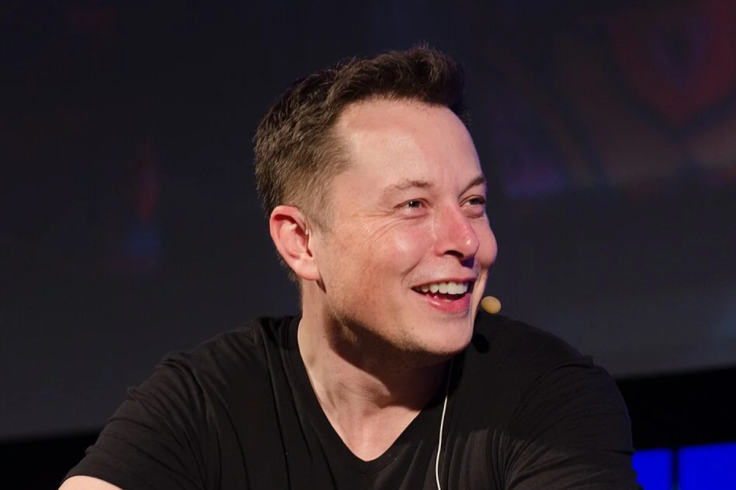
Elon Musk is facing a congressional funding warning after US Rep. Jim Himes demanded answers on 20 November 2026 regarding disruptions to Ukraine's Starshield satellite service.
The Connecticut Democrat questioned whether he could continue supporting funding for government-owned systems developed by SpaceX.
The controversy follows October restrictions that US senators said disrupted Ukrainian military communications and undermined the country's air defences. Ukrainian President Volodymyr Zelenskyy reported renewed disruptions on 12 November, raising further concerns about civilian safety.
Musk maintains that Starshield operates under US government control, while President Donald Trump and Secretary of State Marco Rubio have denied any administration involvement. US senators have now given SpaceX until 30 November to provide answers and confirm that relevant records are preserved.
Elon Musk Faces Congressional Pressure Over Future SpaceX Funding
In an official letter to Musk, Himes requested a meeting with senior SpaceX officials to identify who authorised the October restrictions. He said committee staff had repeatedly sought a briefing but had not received a substantive response.
Himes, currently the ranking member of the House Intelligence Committee, is expected to become its chairman in January 2027. The appointment would grant him greater influence over intelligence funding and congressional oversight.
The congressman said he understood that SpaceX had restored some Starshield services. However, he sought clarification on whether the company was independently making 'life-or-death decisions'.
Himes argued that SpaceX's use of its commercial Starlink satellite network did not authorise unilateral changes to the government-contracted Starshield service. The relevant contractual provisions remain unverified.
In a separate classified communication to Director of National Intelligence Jay Clayton, Himes raised concerns about future funding.
According to a CNN-excerpt, he wrote that 'our committee cannot authorise funds for the development of government systems that the government will not fully control'.
Congressional scrutiny has also extended to the Senate. Democratic Sens. Jeanne Shaheen and Chris Coons requested the preservation of SpaceX records on 13 November.
The senators sought details on who authorised the restrictions and whether SpaceX had assessed their potential consequences for Ukrainian civilians and American personnel. Neither congressional letter announced an immediate suspension of government funding.
Elon Musk Disputes Ukraine's Account as Britain Raises Concerns
Musk addressed the controversy on X on 14 October, distinguishing government-controlled Starshield from the commercially operated Starlink.
'Starshield systems are owned and controlled by the US government,' Musk wrote. He maintained that decisions regarding Starshield restrictions rested with the US military and ultimately the president.
On 16 October, Trump denied personal responsibility, telling reporters, 'It wasn't me, and I don't think it was Elon'.
Speaking in Mumbai on 21 October, Rubio denied any administration involvement while distinguishing commercial Starlink from Starshield's separate military contractual arrangements.
Republican Rep. Brian Fitzpatrick of Pennsylvania called for an investigation on 20 October. He argued that Musk's unilateral action involving Starshield could violate the law, although no such violation has been established.
Speaking at the DealBook Summit on 18 November, Musk disputed Zelenskyy's account of the affected service and defended restrictions on the use of commercial Starlink for offensive military purposes.
The controversy has also reached Britain. Speaking in Kyiv on 23 November, Defence Secretary Wes Streeting said the disruptions had 'dented confidence and trust' among European defence ministers, according to Reuters.
CNN reported on 20 November that it had contacted SpaceX for comment. Who authorised the restrictions and whether any contractual obligations were breached remain unverified.
As the 30 November deadline approaches, lawmakers are seeking answers that could influence future intelligence funding decisions and determine whether additional safeguards are needed for military communications provided by private contractors.
© Copyright IBTimes 2026. All rights reserved.