

Megyn Kelly Criticised for Attacking UK Over Bid To Deactivate Russell Brand's YouTube Channel
The US broadcaster accused British authorities of overreach, while critics argued her response ignored the seriousness of Brand's rape and sexual assault convictions
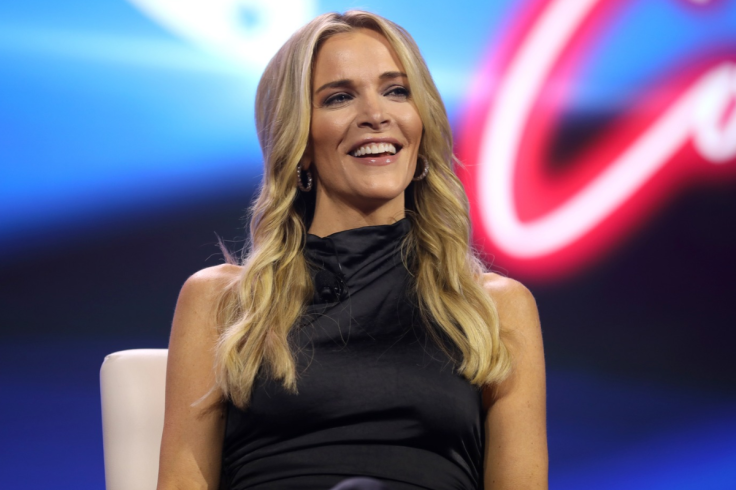
The UK Government has asked Google to deactivate Russell Brand's YouTube channel following his convictions for rape and sexual assault. American broadcaster Megyn Kelly criticised the request as an attack on free speech, drawing objections from X users who said her response overlooked the convictions.
Sky News reported that ministers had asked Google to deactivate Brand's entire channel. Separately, the Ministry of Justice (MoJ) requested the removal of a video featuring a statement he issued from prison.
The two requests concern different material: the channel as a whole and one specific video. Google's response to each has also been reported separately.
Kelly's Furious Response to Britain's YouTube Request
Kelly, 56, set out her position in a post on X after reports emerged that the Government had asked Google to deactivate Brand's channel.
'Stay the h-ll away from us with your draconian free speech crackdowns, you a-- clowns. We fought a whole war so we didn't have to abide by your weird controlling demands,' she wrote.
Stay the hell away from us with your draconian free speech crackdowns you ass clowns. We fought a whole war so we didn’t have to abide by your weird controlling demands. https://t.co/o4Zj545fs9
— Megyn Kelly (@megynkelly) November 18, 2026
Kelly characterised the Government's intervention as a free-speech issue. Critics responded that the request should be considered in the context of Brand's convictions, rather than treated solely as a dispute over expression.
Why Is Kelly Facing Such Fierce Backlash?
Several X users challenged Kelly's position, with some arguing that Brand's convictions should have been central to her comments.
'It's almost like you think raping someone shouldn't carry any consequences at all. Why is that?' one critic wrote.
Another user said the historical conflict between Britain and America did not justify shielding convicted sexual offenders from the consequences of their actions. The exchanges highlighted a disagreement over free expression, the consequences of criminal convictions and the continued online presence of public figures.
Brand's Conviction Sparks Wider Platform Controversy
Brand, 51, was sentenced to 10 years and six months in prison at Southwark Crown Court on 9 November 2026. He was convicted of one count of rape and three counts of sexual assault involving four women between 2004 and 2009.
He was acquitted of two other counts of rape and one count of attempted indecent assault. Brand has continued to maintain his innocence, including in a statement read out by his wife after he was imprisoned.
Following the convictions, Meta disabled Brand's Facebook and Instagram accounts. The UK Government then approached Google over his YouTube presence, with ministers requesting that the entire channel be deactivated.
Separately, the MoJ sought the removal of a video published on 15 November. In it, Brand's wife, Laura Gallacher, read a statement from him in prison.
Sky News reported on 19 November that Google had declined the Government's request to remove that specific video, while saying it was investigating the content. The request concerning the whole channel was separate, and the channel remained available.
The MoJ was also investigating whether Brand had breached prison rules by arranging for his statement to be read publicly from prison.
A Growing Free-Speech Dispute
Kelly's post has brought further attention to the Government's request and Google's handling of Brand's channel and the video.
Critics of Kelly argued that the convictions should remain part of any discussion about Brand's continued online presence. The debate also centres on the distinction between a request to remove a specific video and one to deactivate an entire channel.
As of 19 November, the channel remained available and Google said it was investigating the video. The Government's request to deactivate the channel and the MoJ's request concerning the video remained separate matters.
© Copyright IBTimes 2026. All rights reserved.