National Interest First: Starmer Says UK Will Defend Allies But Avoid Getting Pulled Into Iran War
Labour leader emphasizes defending allies while prioritizing national interest and domestic stability
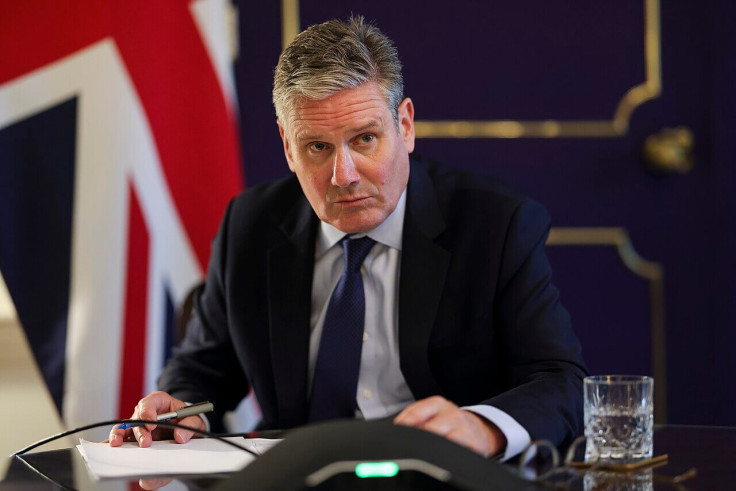
Keir Starmer has sent a clear signal this week: the United Kingdom will protect its allies, but it will not be dragged into the widening Iran war. In a political climate where calls for immediate action are loud, the Labour leader's measured stance has sparked both praise and criticism, including from former US President Donald Trump, who has voiced frustration at what he sees as a cautious UK response.
Starmer Places UK Interests Front and Center
Speaking to reporters, Starmer stressed that the UK's involvement would remain strictly defensive. 'We will defend ourselves and our allies, but we will not be drawn into a wider war over Iran,' he said.
The statement underscores a careful approach to UK foreign policy, one that prioritizes national interest and strategic thinking over automatic alignment with external pressures.
The Labour leader also highlighted the domestic consequences of an international conflict. 'The longer this war goes on, the worse it is for the cost of living back at home,' he explained, pointing to rising energy prices that have left households across Britain struggling.
By connecting foreign policy decisions to everyday economic realities, Starmer framed restraint as both practical and responsible.
Walking the Line Between Allies and Autonomy
Starmer's position reflects a delicate balancing act. On the one hand, the UK remains committed to defending its allies. On the other hand, it is asserting independence from the US, which has called for a more assertive British role.
Trump reportedly expressed disappointment at the UK's restraint, highlighting the tension between traditional alliances and national discretion.
Political analysts suggest this approach signals a subtle shift in the UK's military posture. Rather than automatically backing US-led initiatives, Britain is asserting that its foreign policy decisions will be guided by strategy, necessity, and the well-being of its citizens.
"While taking the necessary action to defend ourselves and our allies, we will not be drawn into the wider war," PM Keir Starmer says
— BBC Politics (@BBCPolitics) March 16, 2026
"I want to see an end to this war as quickly as possible," the prime minister adds
Follow live: https://t.co/zwDEUJT5k3 pic.twitter.com/BlrR2CxjcB
Why Restraint Makes Sense
Experts point out that there are clear risks in becoming entangled in a Middle East conflict. A more aggressive posture could pull the UK into a prolonged war, stretch its armed forces, and provoke diplomatic tensions. By maintaining a defensive stance, Britain avoids these pitfalls while remaining ready to protect its interests if directly threatened.
The economic impact of the conflict adds another layer. Energy costs have surged, and inflation continues to weigh on households. Starmer's message is that measured foreign policy is not a sign of weakness; it is a deliberate choice that protects both national security and domestic stability.
🚨🇬🇧 Keir Starmer on Iran U.S. conflict:
— Defence Index (@Defence_Index) March 16, 2026
We will not get involved in this wider war. pic.twitter.com/QUBOp76nQU
The Political Stakes in 2026
Domestically, Starmer's approach positions him as a leader willing to make difficult decisions that may not be immediately popular but serve the long-term interests of the country. Internationally, it frames the UK as an independent actor, capable of supporting allies while exercising caution.
By leaving room for negotiation and diplomacy, Starmer signals that the UK's involvement in global conflicts will be thoughtful, reactive when necessary, and never reckless. This is a significant moment in British politics in 2026, shaping perceptions of leadership, responsibility, and strategic judgment.
Looking Ahead
As the situation in Iran evolves, the UK's choices under Starmer will influence both regional stability and domestic life. Defending allies while avoiding unnecessary escalation is a balancing act, but one that reflects careful leadership.
In a world where foreign policy decisions carry immediate economic and human consequences, Starmer's stance is a reminder that restraint, when applied thoughtfully, can be just as powerful as intervention.
© Copyright IBTimes 2026. All rights reserved.
- MOST POPULAR IN National