

Oil Prices Fall as Trump Says Fresh Attacks on Iran 'Highly Unlikely'
Brent crude slips as traders balance softer US rhetoric with attacks near the Strait of Hormuz and energy supply risks
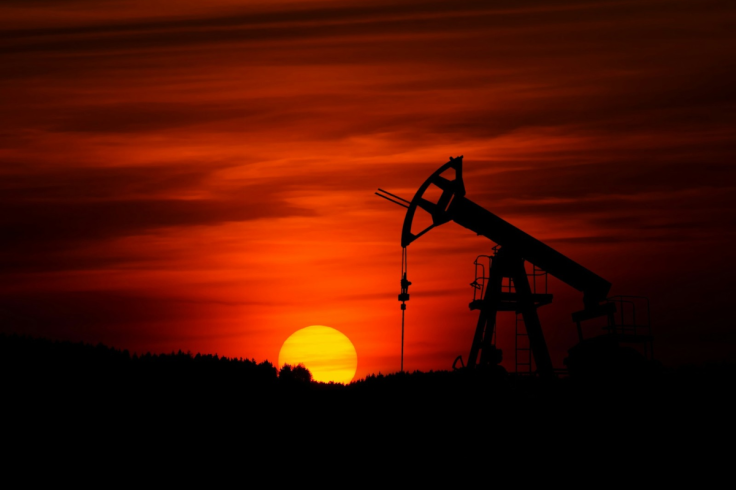
Oil prices slipped on Monday, 9 November, after US President Donald Trump said fresh attacks on Iran were 'highly unlikely.' The remarks helped ease some concerns among traders who had been bracing for another escalation in the Middle East.
Brent crude, the global benchmark, briefly dropped by more than $1 (£0.75) a barrel as markets digested the comments. However, reports of ships being struck near a vital shipping route highlighted the continuing risks facing energy markets.
Trump Signals New Iran Strikes Are Unlikely
Trump told CNN in a phone interview that any new military action depends on whether Tehran agreed to a robust peace deal. In his words, 'highly unlikely it's going to be necessary'.
His comments suggest that Washington is prioritising negotiations for now, while leaving open the possibility of military action if talks fail. Trump had hinted at renewed strikes after last week's US midterm elections, according to Reuters. Yet there has been no sign of a major American military operation.
How Far Did Oil Prices Fall?
By 11:34 GMT, Brent crude was down 64 cents, or 0.64%, at $97.67 (£73) a barrel, according to Reuters. West Texas Intermediate (WTI), the main US benchmark, fell 35 cents to $90.51 (£68).
While relatively modest, the decline followed several weeks of sharp price swings. Brent recently climbed to a four-year high amid concerns over potential military action, according to market data, before retreating in subsequent sessions.
Monday's dip comes after a brutal week for oil markets. Brent tumbled about 17% last week, its steepest weekly drop since the start of the Covid pandemic, according to market reports. JPMorgan estimated the global oil production exceeded demand by 1.1 million barrels per day in September, a surplus that can weigh on prices.
Strait of Hormuz Remains in Focus
The Strait of Hormuz is a narrow waterway between Iran and Oman through which roughly a fifth of the world's oil supply passes. As a result, even relatively minor security incidents can affect crude oil prices.
Both Washington and Tehran reported that vessels had been hit in or near the strait over the weekend. Iran has also warned that it would target US and Israeli interests if it came under attack again.
Meanwhile, Iraq said it had reached an understanding with Washington to move oil through a shipping lane near Oman, offering some relief to markets.
The war began in late February with US-Israeli strikes on Iran. Since then, the conflict has contributed significantly to volatility in oil prices.
Fuel Price Outlook Depends on Iran Talks
Analysts said traders are watching both diplomatic developments and security conditions in key shipping routes. If negotiations between Washington and Tehran show real progress, oil prices could continue to ease. However, a breakdown in talks or any disruption to shipping through the Strait of Hormuz could quickly reignite concerns about supply and push prices higher.
Crude oil remains a major driver of petrol and diesel costs, so a lasting decline could eventually ease pressure on motorists. Any effect at the pump is likely to take time, however, as retail prices usually lag movements in wholesale energy markets.
© Copyright IBTimes 2026. All rights reserved.