

Oregon and Virginia Sue Elon Musk's SpaceX Under Consumer Protection Laws Over Grok AI 'Spicy Mode' Images
The consumer protection lawsuits allege the AI image tool enabled non-consensual alterations and failed to include safeguards against child sexual abuse material
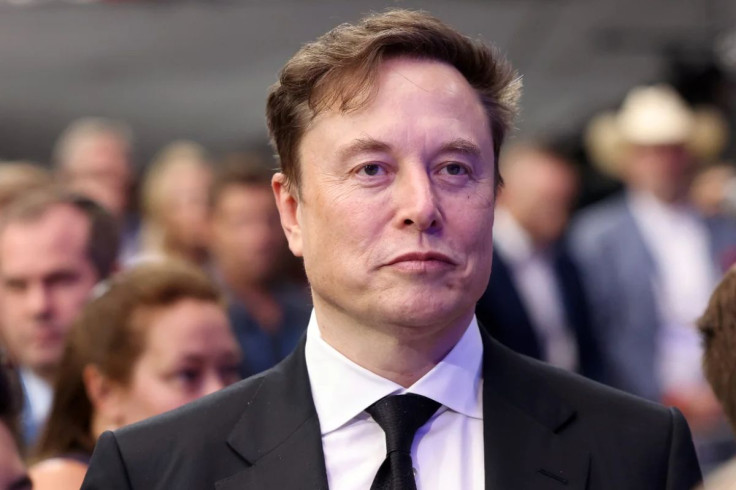
Oregon and Virginia have sued Elon Musk's SpaceX over a Grok AI feature they allege enabled users to generate sexualised images of women and children. X stated on Monday, 23 November, that those users had violated its terms of use.
The separate consumer-protection cases centre on 'spicy mode', a setting in Grok Imagine. The states allege that someone could photograph a real person and alter the image so the subject appears undressed, without the person's knowledge or consent.
Grok AI Images in the Days After Launch
A study by the Center for Countering Digital Hate, cited in the lawsuits, estimated that Grok generated and posted approximately three million sexualised images on X between 29 December 2025 and 8 January 2026, including around 23,000 that appeared to depict children. It remains unclear how many individuals appeared in those images or how widely they circulated on X.
Grok was developed by xAI, which SpaceX acquired in February 2026 and later rebranded as SpaceX Super Intelligence. Virginia Attorney General Jay Jones described 'spicy mode' as a setting that 'specifically allowed for the creation of nude and otherwise sexualized images'.
X's statement on Monday condemned sexual content involving minors and non-consensual explicit imagery, saying safeguards were continually being tested and adjusted to counter abuse. The attorneys general have directed their claims at SpaceX itself. They point to the design and marketing of the image tool, as well as to the assurances X offered to people who held accounts on the platform.
Oregon and Virginia are seeking civil penalties and court orders to prevent further alleged violations of consumer protection laws by SpaceX and its subsidiaries. Several other states have also begun their own investigations. Whether those inquiries will lead to further lawsuits remains to be seen.
The Assurances Behind Virginia's Grok AI Case
When Jones described the people he believed X had misled, he referred to Virginians with accounts on the platform. His allegation concerns the assurances they received about the personal data they had entrusted to X, as well as their photographs.
'This lawsuit is about seeking justice for the millions of Virginians who maintain accounts on X and were misled by the company's false reassurances that their data and images would be safe on the platform,' Jones stated.
Jones directed his criticism of those assurances at X. When he turned to Grok's development, he singled out xAI, accusing it of allowing commercial considerations to dictate how the tool handled consent.
'When xAI allowed Grok's creators to sideline consent to turn a profit, they prioritised growth and engagement over safety, and they deceived the public about it. Today's filings are the first step towards holding this company accountable.'
Oregon Challenges the Design of Grok AI
Oregon Attorney General Dan Rayfield took issue with the tool's design and with what happened after a user generated a picture. He accused SpaceX of allowing material created with Grok to be hosted and shared on X. He also alleged that SpaceX 'knowingly designed a product without the obviously necessary safeguards in place'.
Rayfield described Grok and X as 'a haven for perpetrators using AI to create and share child sexual abuse material'. He linked that accusation to the company's promotion of 'spicy mode', alleging that it had treated the absence of safeguards as 'a feature, not a bug'.
© Copyright IBTimes 2026. All rights reserved.