Pope Leo Condemns Death Penalty as US Moves to Reintroduce Firing Squads
The Trump administration has updated federal policy to allow firing squads again as a method of execution, with officials saying it is intended to ensure death sentences are carried out after appeals and to speed up the process.

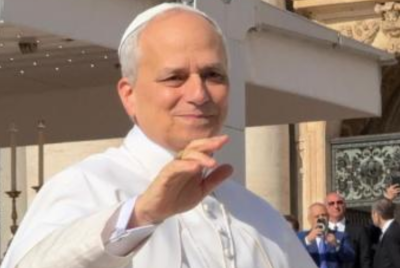
Pope Leo has publicly condemned the death penalty, including the use of firing squads, after the United States moved to reintroduce the execution method under President Donald Trump in Washington.
In a video message to DePaul University in Chicago, he warned that the 'right to life' sits at the core of all human rights. According to Newsweek, his statement came after the Trump administration confirmed plans to expand execution methods available to federal authorities, including the reinstatement of firing squads and the reauthorisation of a lethal injection protocol involving pentobarbital.
Pope Leo Reacts to Trump Admin's Death Penalty Plans
In his remarks, Pope Leo added that societies only 'flourish and prosper' when they safeguard the sanctity of human life, language that reflects the Vatican's longstanding opposition to capital punishment.
Speaking in the recorded address marking the 15th anniversary of Illinois abolishing the death penalty, the Pope referenced the state's decision as an example of reform, highlighting former Governor George Ryan's moratorium on executions in 2000 and subsequent commutations of death sentences. Illinois formally banned capital punishment in 2011 under former Governor Pat Quinn.
Pope Leo's comments also echoed earlier Church teaching under Pope Francis, reinforcing the position that the death penalty is 'inadmissible' because it violates human dignity. He said that even those convicted of serious crimes retain the possibility of redemption and argued that modern prison systems are capable of protecting the public without resorting to execution.
'The dignity of the person is not lost even after very serious crimes are committed,' he said, noting that detention systems can be designed to ensure safety without removing all prospects of rehabilitation.
While the Pope did not directly reference President Trump in the video message, the timing of his remarks closely followed the US government's announcement expanding execution methods, including firing squads.
The White House has not publicly responded to the Pope's statement.
US Firing Squads Revisited
The Trump administration has changed federal rules so that firing squads can now be used again as a method of execution. The Justice Department says this is meant to ensure death sentences can still be carried out after all appeals are finished and to make the process faster and more organised.
Firing squads have not been used in modern federal executions in the United States and are extremely rare globally. Because of that, the decision has sparked criticism from legal experts and human rights groups. At the same time, the administration has also brought back a type of lethal injection using pentobarbital, which had been paused under President Biden due to concerns about pain and suffering.
Supporters of the change say it helps the justice system carry out sentences more consistently and without delays. Critics argue it raises serious ethical questions and brings back methods of execution that many consider outdated and inhumane.
During Donald Trump's earlier presidency, federal executions increased after a long pause, with 13 carried out after the federal moratorium was ended. Today, only a small number of prisoners remain on federal death row, including people convicted in major cases such as the Boston Marathon bombing and the Pittsburgh synagogue attack.
The Vatican continues to oppose capital punishment, while the White House defends the policy as part of enforcing criminal law rather than a moral stance.
How Likely It Will Be Used
Right now, the return of firing squads in the United States is no longer just theoretical, it has already moved into policy, but whether it becomes widely used is still uncertain and heavily contested.
This does not mean firing squads are automatically being used immediately. Instead, it expands the 'menu' of execution methods available at the federal level. Even then, each case still requires lengthy legal steps, appeals and scheduling decisions before any execution can take place.
Legal barriers remain significant. Any new execution method is likely to face constitutional challenges under the Eighth Amendment, which bans cruel and unusual punishment. These cases can take years to resolve. In addition, the federal death row population is very small and cases move slowly through appeals, meaning executions themselves are rare.
In simple terms, firing squads are back on paper, but whether they become common in practice depends on legal battles, logistics and future political choices.
© Copyright IBTimes 2026. All rights reserved.
- Recommended For You