

Peter Thiel Warns AI Could 'Summon the Antichrist' as Pope Issues Shocking Vatican Decree
A clash of perspectives on AI's moral implications between Peter Thiel and the Vatican.
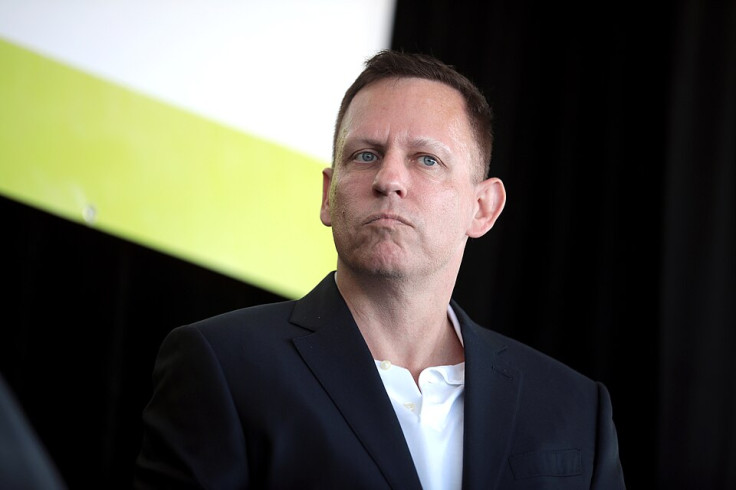
Peter Thiel has warned that artificial intelligence could be used to 'summon the Antichrist,' just days after Pope Leo XIV issued a major Vatican decree on the moral limits of AI in Rome on 25 May, deepening an uneasy global argument over where technology ends and theology begins.
The billionaire venture capitalist has spent years backing AI firms in Silicon Valley while also writing for conservative religious magazine First Things. In an October 2025 essay, he framed a stark question that now looks less hypothetical than it once did: whether modern science will 'summon or suppress the Antichrist.' That language, once the preserve of fringe sermon notes, suddenly sits alongside a formal papal warning about the dangers of confusing machine processing with human intelligence.
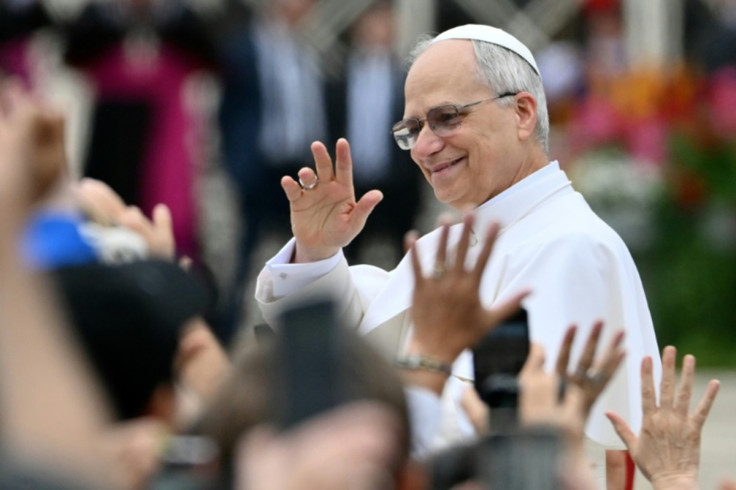
Thiel's fascination with the Antichrist is not casual. In that First Things piece, he reached back to Francis Bacon's 1626 novel New Atlantis and a centuries‑long literary quarrel over whether technology would ultimately be a force for redemption or ruin. He then rattled through the many historical figures accused of being the Antichrist, from Roman emperors Nero and Domitian to Napoleon, Hitler and even Franklin D. Roosevelt. The implication is clear enough. The title 'Antichrist' has become an all‑purpose insult for whoever most frightens a given age.
Yet Thiel is not simply recycling medieval superstition. In a lecture delivered in October, he argued that in the 21st century the Antichrist is more likely to be a 'Luddite' trying to stop scientific progress altogether. In late modernity, he suggested, the truly anti‑Christ figure is the one who turns science into something 'scary and apocalyptic' and uses fear to shut it down. It is an odd twist: for a man warning about an apocalyptic figure, Thiel is more suspicious of technological pessimists than of technology itself.
⛔️Peter Thiel said Pope Leo was the antichrist for wanting to regulate A.I. He bought a mansion in Buenos Aires and met Argentine president Javier Milei. Now Milei in FT pitches Argentina as the home of unregulated A.I., creating a new legal framework, the “nonhuman… pic.twitter.com/Pl8wIHd2JF
— Dr.Sam Youssef Ph.D.,Ph.D.,DPT. (@drhossamsamy65) June 5, 2026
Vatican AI Decree Sets a Different Line
The Pope's first encyclical, Magnifica Humanitas ('Magnificent Humanity') runs to 42,300 words in English and is, by Vatican standards, remarkably direct about AI. Addressed to 1.4 billion Catholics worldwide, it insists that so‑called artificial intelligences 'merely imitate certain functions of human intelligence' and should not be treated as anything more than sophisticated tools.
The letter lists what AI systems cannot do. They do not have bodies, do not feel joy or pain, do not mature through relationships and 'do not know from within what love, work, friendship or responsibility mean.' In other words, they are missing precisely the human experiences that religious traditions have long regarded as the place where moral agency and spiritual meaning reside.
Set alongside Thiel's almost theatrical language about summoning the Antichrist, the encyclical sounds almost clinical. Rome is less interested in speculative prophecy than in the immediate temptation to offload human responsibility onto code. In the Pope's telling, the real danger is not that a demon slips through a neural network, but that humans convince themselves they have built something that can feel in their place.

Antichrist Anxiety and AI's Moral Panic
Thiel, who is not Catholic, does not share the Vatican's scepticism about AI's promise. He made part of his fortune backing data‑driven firms that now sit at the centre of the AI boom. His public comments suggest he sees apocalyptic narratives as a political weapon rather than a literal forecast. When he invokes the Antichrist, it is often to argue that those trying to halt scientific progress are the ones playing that role.
The tension is obvious. On the one hand, Thiel leans on eschatological imagery to dramatise what is at stake in the AI race. On the other, he insists that the real problem is fear itself. It is a manoeuvre that invites a certain scepticism. You cannot raise the spectre of a world‑ending deceiver and then feign surprise when people get nervous about the technology you are backing.
The Pope, for his part, barely touches the Antichrist language that animates Thiel's essays. Instead, Magnifica Humanitas keeps returning to the same grounded point: whatever AI becomes, it is not 'coming in the flesh.' It lacks the embodied, vulnerable life that Christian scripture associates with both Christ and ordinary humans. By that older definition, the Antichrist is a deceiver who denies that Christ comes in the flesh. An AI system, however uncanny, does not even get to the starting line.
There is a certain irony here. Thiel, the avowed technologist, is the one speculating aloud about demonic figures emerging from scientific excess. The Pope, custodian of a two‑millennia‑old apocalyptic tradition, is the one patiently reminding people that algorithms do not feel pain. Between them sits a nervous public, wondering whether to treat AI as an existential threat, an economic opportunity or simply another tool that reflects the flaws and fantasies of its makers.

Nothing in the present debate confirms that an Antichrist of any kind has arrived, and there is no evidence that AI can possess anything like a soul or consciousness, let alone a demonic one, so all such claims should be taken with a grain of salt and treated as speculation rather than fact.
© Copyright IBTimes 2026. All rights reserved.