Trump Eyes 250 Pardons to Mark America's 250th Birthday — Could Ghislaine Maxwell and Sam Bankman-Fried Be Included?
Exploring the implications of Trump's proposed 250 pardons for the United States' 250th anniversary.
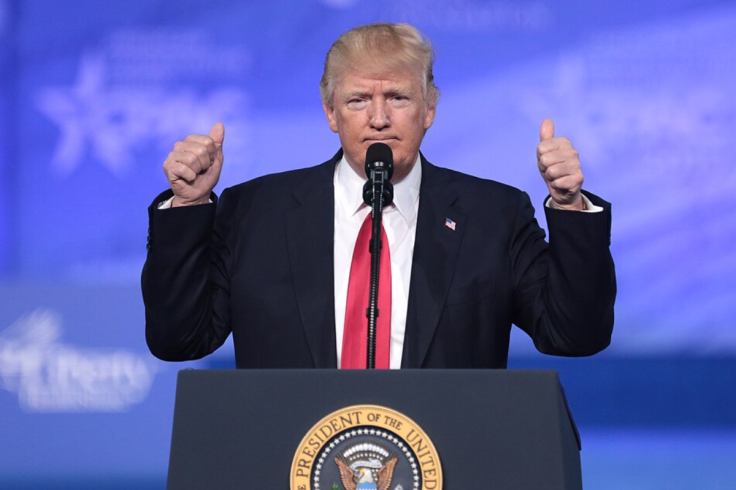
As the United States edges towards the historic milestone of its 250th anniversary, the White House is reportedly weighing an unprecedented gesture that could define the celebrations as much as fireworks and parades. Donald Trump is exploring granting 250 pardons to coincide with nationwide festivities on 4 July 2026.
This potential wave of executive clemency has sparked intense speculation regarding which high-profile inmates might find their names on the final list. The sheer scale of the proposed act has transformed a standard judicial procedure into a symbolic centrepiece of the upcoming national celebrations.
Why 250 Pardons Could Define America's 250th Anniversary Celebration
The proposal to grant one pardon for every year of the nation's existence has placed several controversial figures back into the public spotlight. Among those seeking a reprieve are Ghislaine Maxwell and Sam Bankman-Fried, per The Wall Street Journal.
A lawyer for Maxwell has publicly raised the idea of potential clemency in exchange for testimony from his client, who is serving a 20-year sentence for helping recruit and groom underage girls for convicted sex offender Jeffrey Epstein.
When questioned last year about the possibility of a pardon after the Supreme Court refused to hear Maxwell's appeal, Trump remained non-committal. Instead, the US President indicated that any such decision would require consultation with the Justice Department.
'I have a lot of people who've asked me for pardons,' he told reporters at the time.
While Maxwell's team persists, the outlook for Bankman-Fried's case remains bleak. The convicted head of the crypto exchange FTX has sought a pardon, but Trump had seemingly shut the door, saying he had no intention of granting it.
Repercussions of Clemency for Epstein Associate Ghislaine Maxwell
The case of Ghislaine Maxwell remains one of the most divisive legal matters in recent American history. As the primary associate of Jeffrey Epstein, her conviction was seen as a rare moment of accountability for a sprawling international sex-trafficking ring. So, any move toward clemency would likely trigger a massive political backlash and accusations of undermining the judicial system.
Trump's own history with Epstein has been a subject of scrutiny, though he famously signed the 'Epstein Files Transparency Act', which led to the release of millions of documents related to Epstein's case. The documents provided a clearer picture of the network involved.
Ghislaine Maxwell has stated under oath that she does not recall ever seeing Donald Trump at Jeffrey Epstein's home or in any 'inappropriate setting', asserting that she never witnessed any misconduct involving the POTUS. This testimony appears to be at odds with an April 2011 email in which Epstein informed Maxwell that a victim had 'spent hours at my house with him,' referring to Trump, and noted that his name had remained absent from public discourse. Maxwell replied that she had 'been thinking about that...' The discrepancy between the two accounts is likely due to Maxwell simply not being present at the residence during the specific visit Epstein described.
Regardless, granting Maxwell a pardon would contradict the transparency narrative the act established. Critics argue that such a move would be seen as a protection of the elite, potentially overshadowing the unity intended for the 250th anniversary. Also, the social repercussions of releasing an individual involved in such severe crimes against minors could be profound and lasting.
Ghislaine Maxwell is getting special treatment and asking for President Trump to commute her sentence. That’s unacceptable and we will stop this.
— Oversight Dems (@OversightDems) November 10, 2025
Ranking Member @RepRobertGarcia’s full statement ⬇️ pic.twitter.com/za5Ts8bQIT
Why Trump Rejects a Pardon for FTX Founder Sam Bankman-Fried
In contrast to the evolving discussion around Maxwell, the White House has maintained a rigid stance against Sam Bankman-Fried. The former billionaire was convicted on multiple counts of fraud and conspiracy following the catastrophic collapse of his cryptocurrency exchange, FTX.
His actions resulted in the loss of billions of pounds in customer funds, leading to a court-ordered restitution of £8.8 billion ($11 billion). Despite his extensive pardon campaign, Trump has shown little sympathy for the fallen executive.
The decision to distance the administration from Bankman-Fried likely stems from the widespread public anger directed at the fraudster. Pardoning a figure synonymous with financial corruption would be politically risky, particularly when many of the victims were everyday investors. While the White House prepares the broader list for the anniversary, Bankman-Fried remains an unlikely candidate. The administration appears to be focusing on cases that might be framed as corrections of judicial overreach rather than pardoning clear-cut cases of financial malfeasance.' The public release of the Epstein files continues to influence the national mood as the pardon deliberations continue.
© Copyright IBTimes 2026. All rights reserved.
- Recommended For You