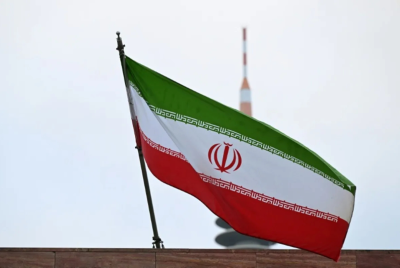
Iran Allegedly Breached US Gas Station Tank Readers With No Password to Stop Them
Unprotected digital systems in US fuel storage tanks targeted by Iranian hackers, highlighting critical cybersecurity vulnerabilities.

American intelligence officials suspect Iranian hackers have infiltrated digital systems monitoring fuel storage tanks across multiple states. Intruders accessed automatic tank gauge (ATG) networks left completely unprotected by passwords.
The breach highlights longstanding vulnerabilities in utility network security, particularly the absence of basic authentication measures on publicly accessible systems. Experts warn that unsecured access of this kind could be exploited to conceal active fuel leaks, posing a significant safety risk.
Why Password-Free Systems Invite Global Security Threats
Iran is the primary suspect in the breach, according to CNN, largely due to the country's documented history of targeting similar fuel infrastructure. Although the attackers altered display readings on the monitors, authorities confirmed no physical damage was caused.
Investigators caution that pinpointing exact culprits remains difficult due to limited digital forensic evidence. The breach occurs against the tense backdrop of the United States and Israeli military conflict with Iran.
The incident presents a political challenge for the Trump administration, as the conflict drives up domestic gas prices. A recent CNN poll indicates 75 per cent of American adults believe the war negatively impacted their finances.
How Historical Cyber Vulnerabilities Expose Modern Utilities
State-sponsored groups from Tehran routinely exploit accessible American networks connected to water and energy sectors. Following the October 2023 Hamas attacks, officials traced several breaches in US water utilities directly back to hackers from the Islamic Revolutionary Guard Corps.
Researchers have flagged internet-facing ATGs as risks for over a decade. Despite warnings, critical infrastructure operators continue to struggle to secure hardware against foreign adversaries.
The conflict has catalysed a tactical shift for Tehran. Israel's National Cyber Directorate head Yossi Karadi stated the warfare shows 'a significant increase in the scale, speed, and integration between cyber operations and psychological campaigns.'
Assessing the Rapid Shift In Iranian Digital Espionage
While the Israel Defense Forces reportedly struck an Iranian cyber headquarters in March, Karadi noted that 'from a defensive perspective, in recent months, we are seeing some degradation in parts of the hostile cyber activity.'
Karadi added, 'The bottom line is that Iranian actors are under pressure and are trying to strike wherever they find an opening in cyberspace.' Allison Wikoff, director of global threat intelligence at PricewaterhouseCoopers, stated operations 'are now accelerating with faster iteration, more layered hacktivist personas, and likely AI-driven scaling for reconnaissance and phishing.'
Wikoff explained, 'What's notably new in their cyber playbook is the swift creation of 'good-enough' malware, including the destructive wiping types, complemented by assertive hack-and-leak campaigns against media, dissidents, and key (US) civilian infrastructure.' These hacking operations manipulate public perception.
#BREAKING: Iranian hackers reportedly breached tank readers at U.S. gas stations, U.S. officials say.
— Insider Wire (@InsiderWire) May 15, 2026
The Growing Threat to American Midterm Election Systems
Hackers linked to Iranian intelligence utilise Telegram to exaggerate achievements. Handala, an Iran-linked group, recently published what it claimed were emails belonging to FBI Director Kash Patel, a claim US officials described as exaggerated, involving years-old material rather than a current breach.
Alex Orleans, head of threat intelligence at Sublime Security, stated, 'The fact that every Handala claim leads to people freaking out demonstrates that the operational reality of the threat Iran poses is something that both government agencies and vendors don't seem to be able to articulate.' He noted 'the regime has clearly demonstrated its intention to endure, which further disincentivises wanton cyber effects operations.'
As midterms approach, the absence of a federal team to counter foreign digital threats draws criticism. Former CISA director Chris Krebs warned, 'My bet is on information operations, not attacks on election systems,' adding 'That's where the Russians and Chinese have gone, and for good reason. It's cheap, it's easy to scale with AI, and nobody's paying a price for it.'
No federal directive mandating password protocols for ATG systems has been issued. CISA has previously flagged internet-facing automatic tank gauges as a known vulnerability.
© Copyright IBTimes 2026. All rights reserved.
- Recommended For You