

Shopify CEO Admits No Insider Knowledge Yet Claims Jensen Huang Leaves Profits on the Table for Startups
Tobi Lütke's account is based on second-hand reports, with no order records or company confirmation supporting the claim
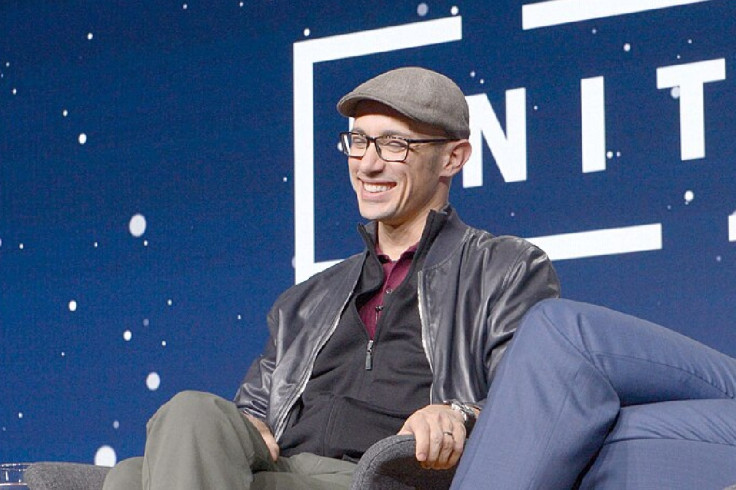
Shopify chief executive Tobi Lütke has claimed NVIDIA founder Jensen Huang passed up opportunities to earn more from major chip buyers to ensure smaller AI startups could obtain hardware.
Speaking on David Senra's podcast, published on Sunday, 22 November 2026, Lütke acknowledged that he had no insider knowledge of the alleged decisions.
The comments came after Huang resigned as NVIDIA chief executive on 11 November. A US securities filing confirms that finance chief Colette Kress became interim CEO.
Lütke's account, however, concerned decisions he believed Huang had made while leading the chipmaker.
Shopify CEO's Jensen Huang Claims Rest on Second-Hand Accounts
During the interview, Lütke suggested that Huang personally reviewed significant orders for NVIDIA graphics processing units, or GPUs, rather than allowing the largest customers to absorb the available supply.
These processors are widely used to train and run artificial intelligence systems. Their availability can shape how quickly developers test products, build models and bring services to market.
Lütke argued that Huang had sometimes made room for smaller developers when selling additional chips to larger customers could have brought in more money.
'He could make a lot more money,' he said.
Shopify CEO Tobi Lütke (@tobi ) called Nvidia's board "knuckleheads" and said Jensen Huang's ouster looked "choreographed."
— Rohan Paul (@rohanpaul_ai) November 23, 2026
"this was like surgical. Affair. Chinese spy. Another affair. Another affair."
"This is like choreograph. It's too organized. This is exactly how you… pic.twitter.com/ZvZrllLkFh
He immediately qualified the assertion: 'I have no insider information here.'
Lütke described the account as something he had heard from others. He did not say he had attended allocation discussions, reviewed company records or personally witnessed Huang making those decisions.
Neither the interview nor the circulated excerpt named startups that obtained chips through Huang's intervention. They also supplied no order figures or internal financial documents demonstrating revenue NVIDIA declined to pursue.
The difference is significant. An allocation benefiting a startup would not, by itself, prove that NVIDIA sacrificed profits. Pricing, delivery commitments and the potential for future business could all affect the commercial calculation.
Why NVIDIA's Startup Support Does Not Verify Huang's Alleged Decisions
Lütke suggested there was a longer-term incentive for accommodating smaller developers. A startup able to obtain GPUs today might grow into a substantial customer tomorrow, particularly if its products succeed.
That explanation also reflects the challenge facing younger AI companies. Technology giants can commit far greater budgets to computing infrastructure, while startups often depend on more limited funding and access to hardware.
NVIDIA does have established programmes supporting early-stage businesses. Its Inception initiative offers eligible startups training, developer tools, partner benefits and preferred pricing on selected hardware and software.
The company has also backed open AI development. In March 2026, it announced the Nemotron Coalition, bringing together AI laboratories and model developers to advance open foundation models using shared expertise and computing resources.
Those initiatives provide documented examples of NVIDIA working with smaller developers and the wider AI community. They do not establish that Huang personally approved individual chip orders or deliberately accepted lower returns.
Lütke's remarks formed part of a broader defence of the NVIDIA founder's leadership following his departure. His admiration for Huang was clear, but the particular allocation practices he described remain uncorroborated.
Without detailed order records or confirmation from NVIDIA, the suggestion that Huang routinely left money on the table should be understood as Lütke's interpretation, not a verified account of company policy.
© Copyright IBTimes 2026. All rights reserved.