

NVIDIA Introduced Alibaba to Alleged Chinese Spy Alice Huang Before US AI Chip Restrictions: Report
The introductions reportedly helped Alice Huang secure Alibaba as a customer before investigations into her former cloud-computing company began
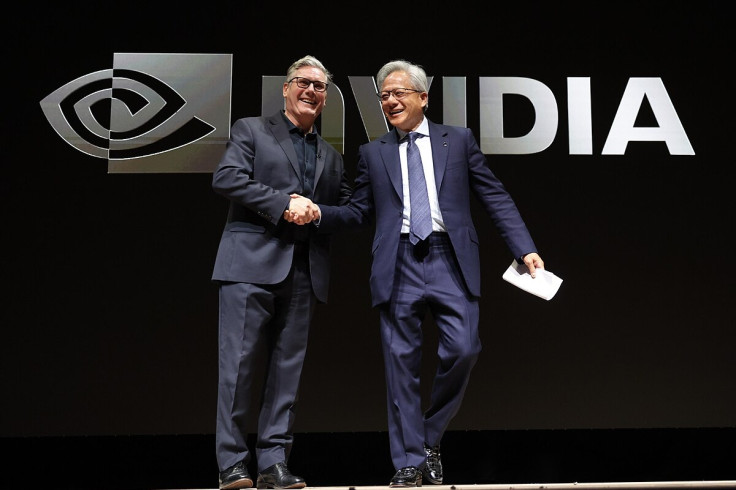
NVIDIA introduced Alibaba to businesswoman Alice Huang in 2022, before US AI chip restrictions took effect, according to a recent report from The Information. The introductions have since attracted scrutiny over Huang's former Singapore-based cloud-computing business, Megaspeed.
The Information, citing three people familiar with the dealings, reported that NVIDIA arranged two introductions over several months.
At the time, Alibaba was buying NVIDIA's A100 processors, while Huang was developing a business that rented access to powerful computing hardware.
How NVIDIA's Alibaba Introductions Helped Huang
Two sources told The Information that the introductions helped Huang secure Alibaba as a customer. That relationship reportedly supported bank borrowing, allowing her to finance additional NVIDIA chip purchases. The precise lending arrangements have not been independently disclosed.
On 26 August 2022, Washington imposed licensing requirements on NVIDIA's A100 and forthcoming H100 processors. The rules covered future exports to China, including Hong Kong, and Russia, according to NVIDIA's regulatory filing.
🚨 Nvidia introduced Alibaba to Alice Huang (of Megaspeed) to help route around US export controls on advanced chips, while she was allegedly a Chinese intelligence asset having an affair with Jensen Huang.
— London Baithead (@londonbaithead) November 18, 2026
Nvidia’s board is investigating. pic.twitter.com/ukENIT5Pdh
After those restrictions, NVIDIA sales staff reportedly suggested Alibaba could rent computing capacity through Megaspeed in Southeast Asia. The Information presented the arrangement as a possible alternative to buying restricted processors directly for use in China.
Renting computing power and illegally exporting chips are not necessarily the same thing. Whether individual transactions breached US rules would depend on their structure and applicable restrictions.
The reporting does not establish that Alibaba knowingly broke export laws or that NVIDIA deliberately facilitated illegal shipments.
Responding to The Information, NVIDIA said it 'works across the industry to comply with the evolving rules regarding cloud services.' The company also emphasised its efforts to develop infrastructure in approved markets.
US and Singapore Investigations Into Megaspeed
On 17 November 2026, the US Justice and Commerce Departments confirmed that authorities began investigating Megaspeed in 2024 over possible export-control violations. They said Commerce investigators requested NVIDIA's records of direct and indirect sales to Megaspeed in May 2025.
NVIDIA placed Megaspeed on its 'no sell' list in June 2025. That month, US investigators, working with Singaporean officials, inspected Megaspeed and interviewed Huang, then its chief executive. The Justice Department subsequently took the lead in the criminal investigation.
Huang has also faced allegations of ties to Chinese intelligence, but those claims remain unproven. Attorney General Todd Blanche said on 12 November that the Justice Department had not concluded whether she was a Chinese spy.
Singapore's Home Affairs Ministry separately confirmed that Huang was not investigated there for espionage. Police found insufficient evidence to link her to suspected false declarations. They nevertheless gave her a stern warning for knowingly providing inaccurate information during their inquiry.
Megaspeed denies wrongdoing and says Huang left the company on 30 August 2025. It has hired external lawyers to investigate allegations concerning its operations and compliance with export controls.
Separate reporting has linked Huang's business network to at least $7.5 billion (approximately €6.84 billion and £5.7 billion) in NVIDIA chip sales to Chinese companies. That remains a media estimate, not a finding announced by US investigators.
Meanwhile, Alibaba is pursuing its own chip development through T-Head.
On 10 November, it disclosed that the subsidiary had confidentially applied for a Hong Kong listing on 11 September. The proposed flotation still requires regulatory approval.
© Copyright IBTimes 2026. All rights reserved.