Remote Control Cars? Drivers Alarmed After Features They Paid For Are Disabled Through Software Updates
Drivers furious after carmakers disable paid features through software updates and remote controls
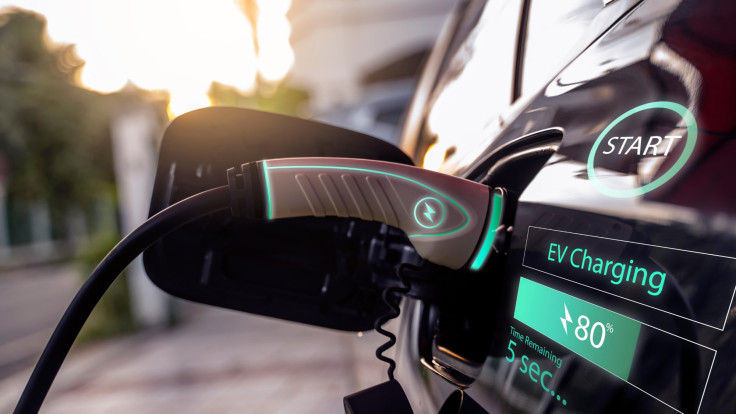
Imagine buying a car with a feature you use every day, only to wake up one morning and discover it no longer works. That scenario is becoming a growing concern for motorists as manufacturers increasingly rely on software updates, subscriptions and remote controls to manage vehicles after they have already been sold. Critics say the trend is transforming ownership itself, raising questions about whether consumers truly own their cars or merely lease access to certain functions.
Drivers Say Features They Paid For Are Vanishing Overnight
One of the most widely discussed examples involves vehicle features being disabled remotely through software updates. In Germany, some Lexus owners reportedly lost access to remote-start capabilities after Toyota adjusted certain functions to comply with emissions regulations targeting vehicle idling.
For many drivers, the issue goes beyond a single convenience feature. The concern is that manufacturers now possess the ability to alter products after purchase, even when those products are sitting in customers' driveways.
Consumer advocates argue that buyers expect ownership rights to remain intact once a purchase is complete. If a vehicle includes heated seats, remote starting or advanced driving functions at the time of sale, many believe those features should remain available unless a serious safety issue requires intervention.
The controversy has fuelled broader discussions about whether software-controlled products are fundamentally changing the relationship between companies and consumers.
Right To Repair Fight Gaining Momentum
At the centre of the debate is the growing right-to-repair movement, which seeks to guarantee access to parts, tools and diagnostic information needed to fix products independently.
Supporters argue that manufacturers have spent years making repairs increasingly difficult. Modern vehicles often rely on proprietary software systems that can prevent owners and independent mechanics from diagnosing or repairing problems without company-approved tools.
Farmers have become some of the most vocal critics. Many agricultural machines now depend heavily on software, creating situations where even simple repairs may require manufacturer authorisation or specialised equipment.
Legal battles involving major companies such as John Deere have become closely watched test cases. Consumer groups believe court decisions in these cases could shape future policies affecting not only farm equipment but also smartphones, appliances and passenger vehicles.
Advocates say the issue is ultimately about ownership. If consumers purchase a product outright, they argue they should also have the freedom to repair, modify and maintain it without facing technological barriers.
Subscription Services Are Changing Ownership
Recent complaints involving subscription-based printers sparked outrage online after users claimed devices stopped functioning despite having ink and paper available. Some customers reported losing access to cartridges after cancelling subscription services tied to their printers.
Critics view such examples as part of a broader shift towards recurring revenue models. Instead of making money solely through sales, companies increasingly generate income through ongoing subscriptions tied to products consumers already own.
Automotive manufacturers have also explored subscription-based services for premium features, including navigation tools, connectivity packages and advanced comfort settings.
Supporters of subscription models argue they allow companies to provide continuous updates and improvements. However, opponents believe consumers are gradually losing control over products they purchased outright.
The debate has become especially heated as more everyday devices become connected to the internet and capable of receiving remote software updates.
Surveillance Concerns Add To Growing Anxiety
Modern vehicles collect vast amounts of information, including driving habits, location data and vehicle performance metrics. Some manufacturers have faced scrutiny over how such information is collected and shared.
Meanwhile, new technologies designed to monitor driver behaviour are expected to become more common in future vehicles. Safety advocates support systems that can identify impaired driving and potentially reduce road fatalities.
However, critics worry about how these technologies could be implemented and whether they might eventually restrict vehicle operation based on automated decisions.
Questions remain about who controls the data, how it is stored and whether consumers will have meaningful choices regarding participation.
© Copyright IBTimes 2026. All rights reserved.
- Recommended For You