

Elon Musk's Cybertruck Flops Harder Than the Ford Edsel as SpaceX Artificially Pads Sales Numbers
New registration data reveals Tesla's electric pickup is tracking below historic automotive disasters, raising serious questions about fading consumer demand and internal corporate purchases.
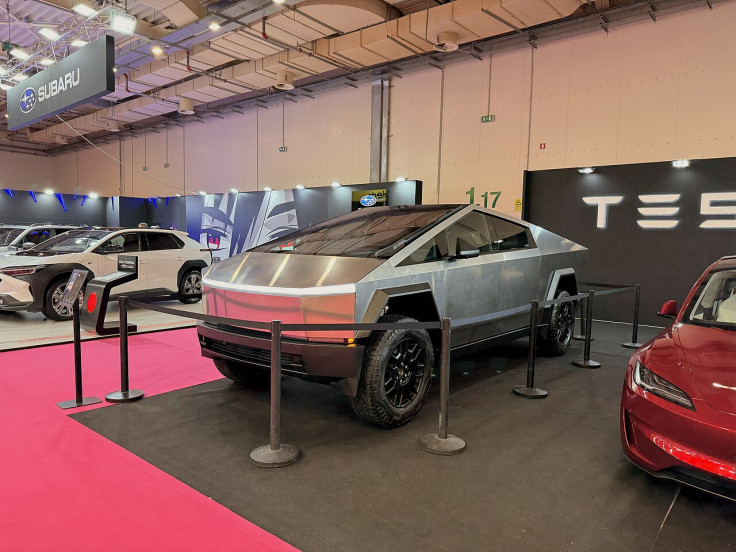
Tesla Cybertruck sales have collapsed below historic automotive disasters, triggering urgent global comparisons to the infamous Ford Edsel.
Federal vehicle registration data compiled through May 2026 reveals that just 7,133 units have hit American roads this year.
Industry experts reveal that SpaceX corporate fleet purchases are artificially padding these dismal delivery metrics to mask a severe, ongoing drop in organic consumer demand.
Behind the futuristic stainless steel exterior lies growing buyer remorse as everyday motorists reject a polarising vehicle that fails basic daily practicality tests.
Elon Musk once promised ambitious annual production targets exceeding 250,000 vehicles when hype peaked during the initial launch window. Instead, the angular electric pickup faces a harsh commercial reality as public enthusiasm evaporates and traditional rivals capture vital market share. This deepening market crisis exposes the widening gap between corporate forecasts and actual consumer adoption.
Comparisons with Ford's Edsel, launched in 1957, have sharpened scrutiny around Tesla's performance. Ford had projected 200,000 Edsel sales in its first year but managed fewer than 68,000 units before the model became shorthand for commercial failure.
Tesla's Cybertruck, despite years of hype and bold projections from Musk, has reached roughly 66,000 total units sold across 2024, 2025 and early 2026, based on reported figures of 39,000 in 2024, 20,237 in 2025 and 7,133 so far this year.
Cybertruck Sales Struggle Against Historic Benchmarks
The Cybertruck was introduced as a radical departure from conventional pickups, with Tesla promoting its angular design and stainless-steel body as a breakthrough in vehicle engineering. Musk described it as Tesla's 'best product ever' and suggested production could exceed 250,000 units annually depending on demand.
The reality has fallen well short of those expectations. Even in its first full year on the market, the Cybertruck achieved less than one-sixth of that projected annual output. The drop-off into 2025 and 2026 suggests the initial burst of interest has not translated into sustained demand.
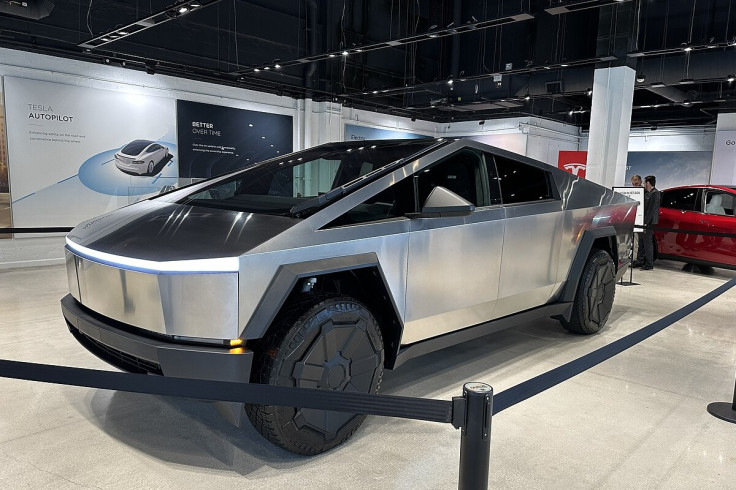
Registration data from S&P Global Mobility, cited in reports, indicates that the modest 2026 figures are partly supported by purchases linked to Musk's own business ecosystem. SpaceX, one of Musk's companies, has reportedly built out a fleet of Cybertrucks, a detail that complicates the picture of organic consumer demand.
Tesla has not publicly broken down how many units have been sold to independent buyers versus corporate affiliates. There is no official statement from Tesla directly addressing the comparison with the Edsel or the role of affiliated companies in Cybertruck sales.
The comparison persists because the trajectory is difficult to ignore. The Edsel's failure was marked not just by missed projections but by declining sales year after year before its discontinuation in 1959. Cybertruck figures, while early, appear to be following a similar downward slope rather than building momentum.
Design, Demand and the SpaceX Factor
The Cybertruck's design has been central to both its appeal and its criticism. Its sharp, geometric exterior has made it instantly recognisable, but also a frequent subject of online mockery and debate.
On platforms like X and Reddit, users have alternated between praising its boldness and questioning its practicality, with viral clips and posts often focusing on its unusual aesthetics or reported issues.
Some users have pointed to sightings of the vehicle as rare rather than commonplace, a notable contrast to Tesla's earlier models, which quickly became a familiar presence in many urban areas. Others have questioned whether the Cybertruck's target market was ever clearly defined, especially as electric vehicle buyers tend to prioritise efficiency and reliability over spectacle.
There have also been scattered online claims about safety concerns, including reports of vehicles catching fire, though these remain anecdotal and unverified. Without confirmed data from regulators or Tesla, such claims remain part of the wider noise rather than the established fact.
That tension may be compounded by shifting market dynamics. Electric vehicle adoption continues to grow globally, but competition has intensified, with more traditional manufacturers offering models that align more closely with established consumer preferences. The Cybertruck, by contrast, sits in a niche that appears narrower than anticipated.
Musk has built a reputation on ambitious forecasts and disruptive products, which tends to amplify scrutiny when outcomes fall short. The Cybertruck was never positioned as a modest entry into the pickup market. It was framed as a revolution. That framing now works both ways.
Whether the Cybertruck ultimately stabilises or follows the Edsel into automotive folklore remains uncertain. Early numbers suggest a difficult road ahead, but it is still a relatively new product in a volatile market. For now, the gap between projection and reality is doing most of the talking.
As Tesla pivots resources toward artificial intelligence, autonomous robotaxis, and humanoid robotics, the Cybertruck risks becoming an expensive cautionary tale in overpromising and underdelivering.
© Copyright IBTimes 2026. All rights reserved.