

Trump Phone Teardown: iFixit Confirms it's an HTC U24 Pro Clone
In-depth analysis confirms the Trump T1 Phone mirrors HTC U24 Pro's design and functionality.
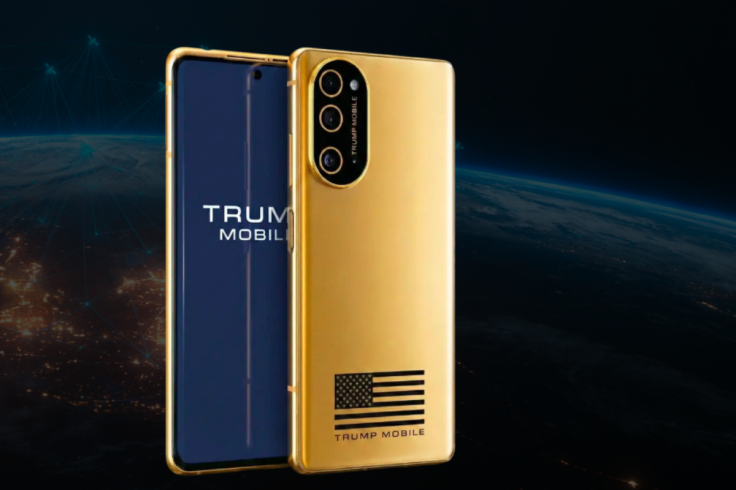
An in-depth hardware teardown has confirmed that the recently launched Trump T1 Phone is effectively a clone of the HTC U24 Pro. Following earlier speculation, technicians at iFixit partnered with NBC to acquire samples of both devices for comparative analysis. Their physical examination provided evidence that the two handsets share matching chassis designs and identical internal functionality.
To verify structural similarities, specialists subjected both devices to high-resolution CT scans before dismantling them. They successfully installed the HTC U24 Pro's motherboard into the Trump T1 Phone's casing, creating a fully operational hybrid device. This interchangeable component test indicated that the architecture of the £383 ($499) smartphone closely mirrors its HTC counterpart.
Uncovering The Component Similarities Of The T1 Handset
Despite distinct external marketing, the internal hardware specifications remain highly consistent across both smartphone models. Analysts noted identical provisions for microSD card slots and traditional headphone jacks, which are increasingly rare inclusions in current hardware. The primary processing chips share the same performance metrics, ensuring equivalent operational speeds.
The teardown showed that Micron provided the memory chipsets for the Trump device, whereas SK Hynix supplied the corresponding parts for the HTC model. Structural variations are limited to superficial adjustments on the casing. Specifically, the rear camera flash positioning was shifted slightly and the speaker grille received a minor cosmetic redesign.
The initial investigations into the structural similarities of the handsets were documented by journalists at The Verge. Their early reporting first highlighted the overlapping supply chains and matching specifications of the two models.
How Battery Sourcing Differs Between The Devices
While the motherboard architecture is shared, the internal power units present the most notable divergence. The Trump handset features a larger 5,000mAh battery cell compared with the HTC's 4,600mAh unit. However, the Trump device is limited to slower 30W charging, a reduction from the 60W capacity supported by the HTC U24 Pro.
Manufacturing origins for these components also differ. The HTC battery originates from facilities situated in China, while the Trump phone uses a battery cell assembled in the Philippines. This logistical detail highlights a slight split in the supply chain despite the shared structural blueprint.
First The Verge spotted the resemblance. Then NBC brought the Trump Phone to our San Luis Obispo office so we could get past the gold paint.
— iFixit (@iFixit) June 11, 2026
CT scans and a full teardown confirmed it: the T1 is nearly identical to the HTC U24 Pro. Same internals. Same layout. Same story, just… pic.twitter.com/lM0mEviXX4
Examining HTC's Manufacturing Partnerships And Contracts
The corporate relationship between the brands remains unclear, primarily because HTC has actively distanced itself from direct involvement. In a public statement, HTC representatives maintained that the corporation 'does not design or manufacture phones for third parties.' They declined to provide any specific operational details regarding the ongoing production of their U24 Pro model.
Following the sale of its smartphone engineering division to Google in 2017, HTC shifted its operational model. The Taiwanese company likely relies on third-party contractors to handle the manufacturing of its smaller mobile lineup. Hardware analysts suggest that Trump Mobile simply engaged the same manufacturing facility to produce the T1 Phone.
We tore down the "assembled in America" Trump phone, X-rayed it, and conducted a technical analysis.
— Ben Goggin (@BenjaminGoggin) June 11, 2026
It is nearly identical to the HTC U24 Pro, which is made by a Taiwanese company with Chinese parts.
Read the full analysis here:https://t.co/YJyk8nG6Qg pic.twitter.com/BBlIJG9BdO
Why The Shared Supply Chain Raises Transparency Questions
The revelation of this shared manufacturing pipeline raises questions regarding the final device's actual geographical origins. Previous reports confirmed that the HTC U24 Pro was manufactured within China. Consequently, the identical structural nature of the T1 Phone suggests it shares the same assembly origin.
Consumers are now seeking clarification regarding these international manufacturing practices and their underlying business relationships. The iFixit teardown highlights the complexities of operating in the modern smartphone market. It illustrates how difficult it is to establish an independent hardware supply chain without relying on established international networks.
© Copyright IBTimes 2026. All rights reserved.