

Spain Refuses to Return 500 Migrant Girls to Morocco Despite EU Recommendation
Spain's stance on migrant children sparks EU debate
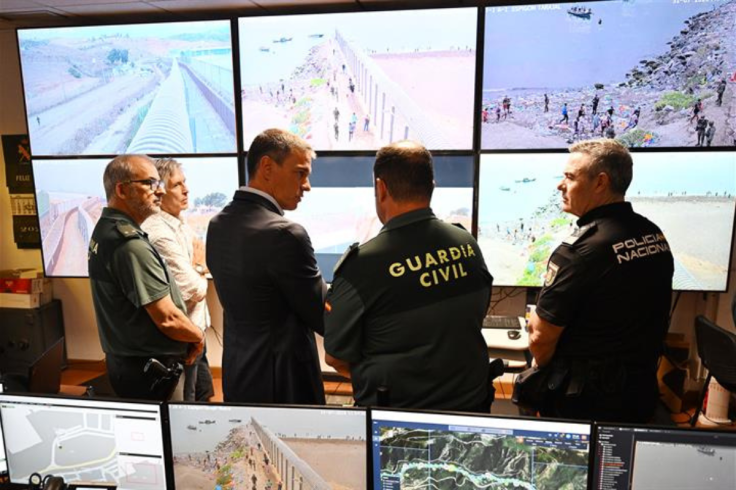
Why is Spain defying European Union (EU) recommendations to return 500 migrant girls to Morocco? Elma Saiz, the Minister of Inclusion, Social Security and Migration, said that the nation's main priority is to 'protect the best interests of the child.' The girls are even more vulnerable because 'these are girls who are on their own,' she said.
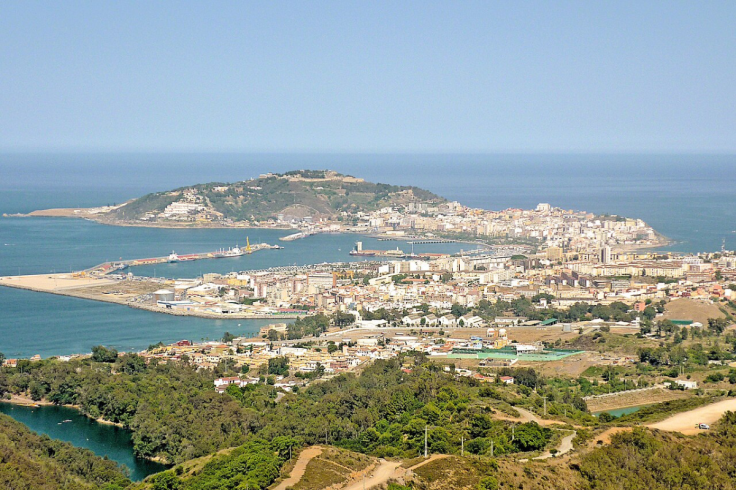
However, when pressed on how many children are still in Ceuta, Saiz admits she did not have the numbers. According to the data of the National Police, there are 2,168 minors in Ceuta, 500 of whom are girls. They were among the estimated 70,000 people who swam across the sea from Morocco to reach the Spanish exclave of Ceuta between 30 and 31 July.
EU Recommendation
Brussels called for the safe and immediate return of the minors to Morocco. Citing the EU's 'Return Directive' and 'Return Regulation,' European Commission spokesperson Markus Lammert said: 'The priority now is for the Spanish and Moroccan authorities to keep the situation under control and guarantee the swift return of all those who remain irregularly in Ceuta.'
Most adult migrants simply swam or walked back to Morocco, while others were escorted by Spanish authorities. Spain argues there is a valid reason why children have not been returned to the North African territory. 'It is illegal to return children without any guarantees and without their rights,' said Minister of Youth and Childhood Sira Rego.
Rego said it is important to ensure that the minors have a family to return to before repatriation. The hundreds of girls will be sent to the mainland, where they will be relocated to various centres. The boys will remain in Ceuta's overcrowded reception centers, which are augmented with tents.
According to the Ministry of Youth and Childhood: 'This plan includes the royal decree-law providing for compulsory, solidarity-based reception by all the autonomous communities, or family placement, as well as other mechanisms to speed up reception.'
However, some autonomous communities have already said they are not willing to take in unaccompanied minors. The Social Security Ministry has allocated €25 million (£21 million / $29 million) to help Ceuta in accommodating them.
Morocco Wants Return of Minors
Morocco has reportedly written a communication to Spain and EU for the safe return of the unaccompanied minors. 'Morocco has committed, in line with high royal instructions issued to the interior and foreign affairs ministries, to work towards identifying unaccompanied minors with a view to their return to their homeland,' reported state-owned media Maghreb Arabe Presse.
Ceuta Mayor-President Juan Jesús Vivas also wants the swift return of children to Morocco, saying: 'If Morocco can organise a World Cup, it can take care of its children. There is no better solution than family reunification in Morocco, and if there is no family or it is dysfunctional, then Moroccan social services should take care of them.'
Rego said the Ministry has coordinated with Ceuta on the plan to take care of the children. 'We have been in coordination with Ceuta from the very beginning. We have explored all options and avenues for the reception of the children on the mainland.' Ministry officials fear the issue has become politicised as opposition leader Alberto Núñez Feijóo, an ally of Vivas, traveled to Ceuta on Wednesday, 19 August.
© Copyright IBTimes 2026. All rights reserved.