EU Eyes Social Media Monitoring, Pre-Frontier Intelligence To Prevent Another Ceuta Crisis: How Do They Work?
Emergency EU meeting addresses Ceuta crisis and future migration strategies
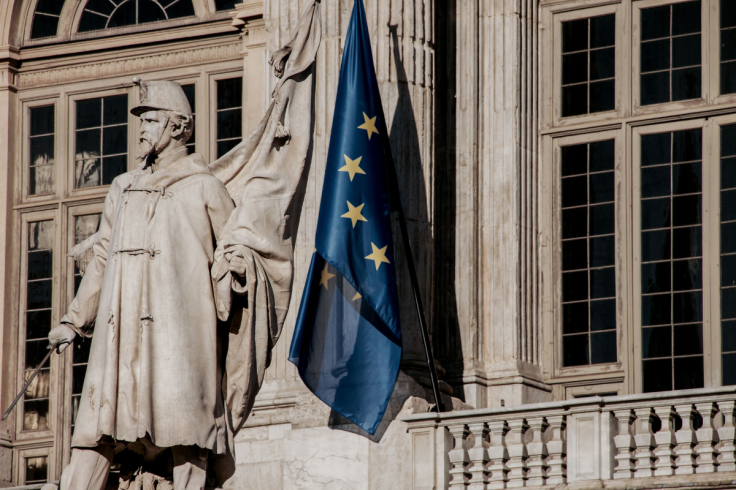
All is well among the European Union, following an emergency meeting to tackle the Ceuta crisis in Spain last week. An emergency migration meeting was called among EU leaders on Tuesday, 4 August, to discuss the incident and the fallout among leaders, many of whom criticised Spain's lackadaisical approach to immigration.
'It was a necessary meeting to align current and future approaches. The outcome was satisfactory and served to recognise Spain's efforts,' said Spanish Interior Minister Fernando Grande-Marlaska. EU Migration Commissioner Magnus Brunner confirmed that the whole organisation stands in 'full solidarity' with Spain after the Ceuta migrant crisis.
'Test of European Resilience'
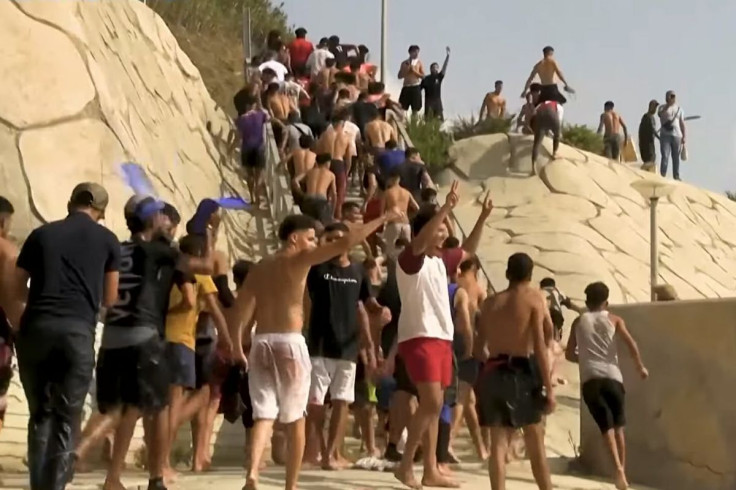
From 30 to 31 July, some 72,000 migrants from Morocco swam to cross into the Spanish territory through the Ceuta exclave. At least 75 deaths were reported from the incident. Around 70,000 of them already returned to Morocco. The mass migration was a result of misinterpretation of a Spanish court ruling that quickly went viral on social media.
Many members of EU criticised Spanish leadership, and Italy quickly declared suspending the Schengen Agreement with Spain. These actions made an emergency meeting necessary to ease tensions among European member countries.
'These past few days were a test of our European resilience, a test of the security of our external borders, and these days clearly showed that there are actors who have no regard for the safety or even for the lives of innocent people,' said Brunner. EU discussed future measures on how to prevent another Ceuta crisis, including developing early warning systems.
What Are Early Warning Systems?
EWS are forecasting tools that anticipate large-scale population movements. Two specific tools mentioned were pre-frontier intelligence and social media monitoring. These will be important in ensuring border authorities will not be caught off guard and get overwhelmed to the point of inaction.
The pre-frontier intelligence system uses optical and thermal imaging, as well as radio frequency spectrum analysis, to detect environmental threats. A network of interoperable sensors will feed technologies within the European integrated border management. Spikes in data will alert authorities to possible migrants, even when they are far away.
As far as social media monitoring goes, the system will be alerted to large-scale population movements and human smuggler networks. The EU or the specific EU government can then predict possible border movements, which it can counter through information campaigns and identifying security risks through digital surveillance.
'There was a common understanding of the need to continue relentlessly fighting migrant smuggling networks, to reinforce returns, to strengthen EU borders, to build deep partnerships with third countries, and to improve foresight,' said Jim O'Callaghan, Ireland's home affairs and migration minister, who chaired the meeting.
Cordial Atmosphere
The meeting ended on a cordial note, despite Italy, backed by at least 20 other nations, earlier sending a letter expressing concern over the migration crisis, which Spanish Prime Minister Pedro Sánchez took as an attack 'driven by prejudice, fake news, ignorance, or political interest.' Pundits have noted that Italy's strong stance against migration may be politically motivated as the nation is headed into a general election.
During the EU meeting, the leaders who originally criticised Sánchez and Spain commended them for a swift response to the Ceuta crisis.
© Copyright IBTimes 2026. All rights reserved.
- Recommended For You