

Cornell Tells Pro-Palestine Students To Return to US or Lose Funding Despite Fears of ICE Detention
Graduate students Taal and Thomas-Johnson face financial crisis as Cornell demands their return amid political tensions
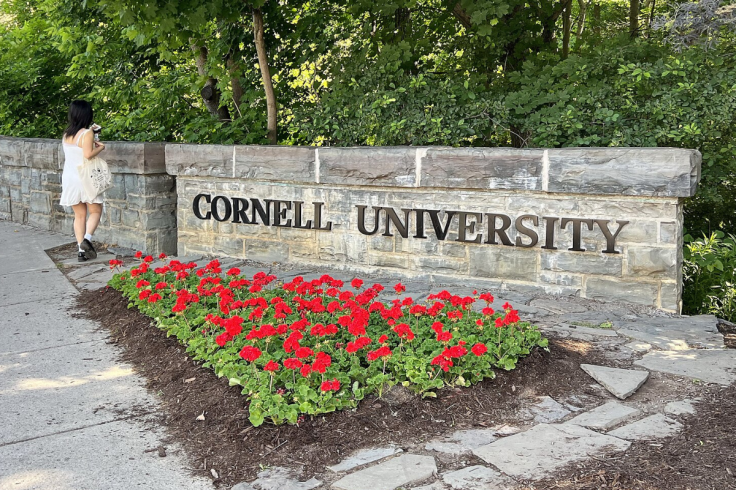
Cornell University has told two graduate students, whom it previously supported while they studied abroad, to return to the United States or risk losing the funding that keeps them housed and fed.
Momodou Taal and Amandla Thomas-Johnson left the US in March 2025 after facing immigration scrutiny linked to their pro-Palestine campus activism. Cornell had allowed both men to continue their doctorates abroad while remaining funded. Now, according to The Intercept, the university says that arrangement is over.
From Campus Protest to Life Abroad
Taal, a British-Gambian dual national, and Thomas-Johnson, a British citizen, are doctoral candidates who took part in a September 2024 protest that disrupted a Cornell career fair featuring defence companies Boeing and L3Harris. Both were suspended and barred from campus over the demonstration.
After Donald Trump returned to office, Taal sued the administration over an executive order he argued targeted pro-Palestine international students and violated First Amendment protections. Days later, immigration officers appeared at his student housing and ordered him to surrender.
When a federal judge declined to block his removal, Taal left the country voluntarily rather than risk detention. Thomas-Johnson also left the US. The pair eventually settled in Cairo.
But on 10 June, Cornell's graduate school told Taal that his department's available funding was tied to teaching-assistant roles requiring him to be physically present in Ithaca, New York. Thomas-Johnson received a similar message.
That leaves both students with a difficult choice: return to the US despite fears of immigration detention or lose the university funding they rely on.
Funding Is Their Financial Lifeline
For both men, the Cornell stipend is their sole source of income. Taal's 2022 acceptance letter guaranteed him about $67,000 (£52,900) annually for five years, and he is now in his fifth year.
Losing that support, Taal told The Intercept, could leave him unable to pay his rent and facing homelessness.
Thomas-Johnson described the daily anxiety of trying to work out how he could finish his doctorate without financial support.
Their lawyer, civil rights attorney Eric Lee, accused Cornell of offering a choice it knows the students may not safely be able to accept, arguing that Taal could face detention if he returned.
Cornell disputes allegations that the decision is connected to the students' activism. A university spokesperson told The Intercept that claims of protest-related targeting were 'untrue and unfounded', adding that its graduate funding policy had not changed.
Cornell's $60M Deal With Washington
The dispute comes after Cornell reached a $60 million (£47.4 million) agreement with the Trump administration in November 2025, which helped restore federal research funding that had been withheld or cancelled.
Under the agreement, Cornell committed $30 million to the US Treasury over three years and another $30 million to agricultural research. The university says the latter investment was its own choice and that the federal government does not decide how it is spent. Cornell also agreed to provide anonymised undergraduate admissions data quarterly and use Justice Department guidance as one of several staff training resources.
The deal restored much of roughly $250 million in federal research funding that had gone unpaid, been cancelled or been subject to stop-work orders. Cornell maintains that the settlement protects its independence and does not allow Washington to dictate university policies, admissions or teaching.
Ewa Nizalowska, president of Cornell's graduate student union, told The Intercept that administrators had previously assured the union that students facing visa problems could finish their degrees remotely with continued pay. The union has filed grievances arguing that the new funding terms breach its collective bargaining agreement.
Nizalowska also questioned why the first students affected were two prominent pro-Palestine activists.
Returning Home May Not Feel Safe Either
Going back to Britain, where both have relatives, does not necessarily offer the pair the sense of security they are looking for.
Taal said British authorities detained him for six hours at Heathrow Airport earlier this year, confiscated his devices, took his DNA and questioned him about his religious background and political reading.
United Nations Special Rapporteurs have also raised concerns about Cornell's handling of the students' disciplinary cases.
Neither Taal nor Thomas-Johnson has a confirmed deportation order. However, according to The Intercept's reporting, both have been subject to Department of Homeland Security inquiries.
For now, the question hanging over their doctorates is no longer simply academic: return to the United States despite fears of detention, or remain abroad and potentially lose the money allowing them to finish their degrees.
© Copyright IBTimes 2026. All rights reserved.