

St. Nicholas Relic Destroyed Before December Feast Day as Church Mourns Shocking Theft
The basilica's principal finger-bone relic survived, while the stolen fragment could not be recovered
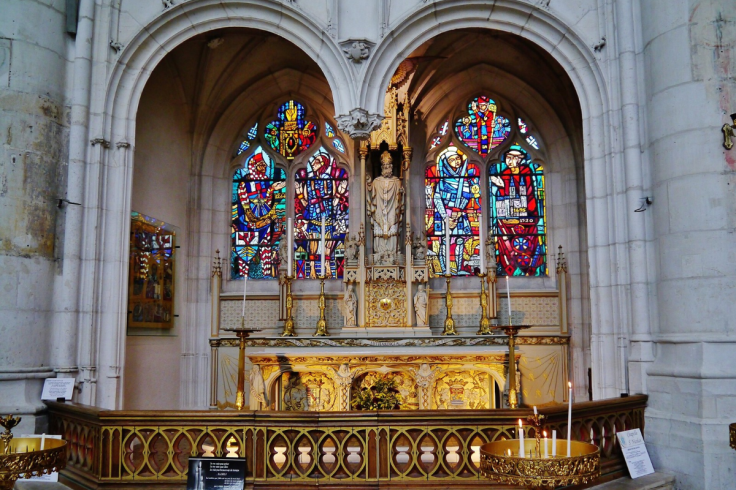
A French church has mourned the destruction of a bone fragment attributed to St. Nicholas, the fourth-century bishop who inspired Santa Claus, after a man allegedly stole and burned the relic before the saint's December feast day. The Basilica of Saint-Nicolas-de-Port held a special Mass of reparation on 20 November, ahead of its annual torchlight procession.
Suspect Reportedly Described Relic as a 'Symbol of Fetishism'
The relic was stolen from the basilica in Saint-Nicolas-de-Port, Lorraine, on 28 October. The suspect allegedly smashed its display case before taking the fragment, measuring 1 to 2 centimetres (0.39 to 0.78 inch).
The parish reported the theft to police on 2 November, and a suspect was arrested that day. On 6 November, the parish said the man admitted breaking the display case and destroying the relic. Reports said the fragment was burned and crushed.
He reportedly called it a 'symbol of fetishism' and said he wanted to destroy it. The fragment has not been recovered. The suspect is due to stand trial on 4 December 2026, according to L'Est Républicain.
Main St. Nicholas Relic Was Not Damaged
The stolen fragment was not the basilica's principal relic of St. Nicholas. It was kept beneath a statue in the church's patronal chapel and had been displayed there since the early 2000s.
The main relic, a finger bone traditionally brought out during the annual procession, was spared and remains preserved in the basilica's treasury.
The basilica has a pilgrimage history stretching back nearly 1,000 years. Its principal finger-bone relic is traditionally said to have been brought to Lorraine by the French knight Aubert de Varangéville in the late 11th century, making the town a pilgrimage destination.
Church Says Theft Struck at Generations of Faith
The parish called the incident an attack on the faith associated with the basilica.
'Beyond the patrimonial value of this object, it is above all a profound attack on our history, our faith and the devotion of generations of pilgrims that touches us today', the parish said.
The Diocese of Nancy and Toul explained the significance of relics.
'For Catholics, a relic is much more than an object belonging to our heritage; it represents a tangible link to a saint, a bridge between Earth and Heaven', the diocese said. 'To harm a relic is to strike at the memory of a saint and the devotion of generations of believers'.
Procession To Continue Before St. Nicholas' Feast
The basilica's 780th annual torchlight procession is scheduled for 5 December, the eve of St. Nicholas' feast day on 6 December. The municipality announced new arrangements for the event on 26 November.
Attendance inside the basilica will be limited to 1,800 people, with entry stopping once capacity is reached. Those unable to enter will be able to watch on an outdoor screen, while the procession carrying the relics will also go outside to meet people gathered there.
Parking will be prohibited within 500 metres of the basilica, and pushchairs will not be permitted inside for security reasons.
St. Nicholas, a fourth-century bishop of Myra in present-day Türkiye, became associated with generosity and secret gift-giving, helping shape the Santa Claus tradition.
© Copyright IBTimes 2026. All rights reserved.